Car Batteries: What They Are, How They Fail, and What to Do Next
When your car won’t start, the car battery, the power source that starts your engine and runs electronics when the engine is off. Also known as an automotive battery, it’s not just a backup—it’s the heart of your vehicle’s electrical system. Most people think of it as a simple box under the hood, but it’s actually a delicate balance of chemistry, temperature, and usage. A healthy battery holds a charge, delivers enough power to crank the engine, and keeps your lights, radio, and safety systems running—even when the engine is off.
But battery failure, when a battery can no longer hold or deliver sufficient power doesn’t happen overnight. It’s usually a slow decline you ignore until it’s too late. You might notice slow cranking in the morning, dim headlights at idle, or the dashboard warning light flickering. These aren’t just annoyances—they’re warnings. A weak battery strains your alternator, which then overworks and can fail too. And if you’re driving in extreme heat or cold, your battery’s lifespan drops even faster. In India’s climate, where summer temps regularly hit 45°C and winter nights get chilly, a standard battery might last only 2 to 3 years if it’s not maintained.
battery replacement, the process of swapping out a dead or dying battery for a new one isn’t just about buying the biggest amp rating you can find. It’s about matching the right size, terminal layout, and cold cranking amps (CCA) to your car. Using the wrong battery can damage your car’s computer or cause charging issues. And don’t assume a cheap battery saves money—many budget brands die within a year. The best ones come with a warranty that reflects real-world performance, not just marketing claims.
Then there’s the car electrical system, the network of wires, fuses, alternator, and sensors that work with the battery to power everything. A failing battery can look like a bad alternator, a faulty starter, or even a broken sensor. That’s why mechanics often test the battery first—it’s the most common culprit. If your battery tests good but your car still won’t start, the problem might be a corroded terminal, a loose cable, or a parasitic drain from something left on overnight.
You don’t need to be a mechanic to keep your battery alive. Clean the terminals once a year with baking soda and water. Check for swelling or leaks—those mean it’s done. If you drive short trips often, your battery never fully recharges. That’s why people in cities replace batteries more often than highway drivers. And if you park for weeks, a simple trickle charger can save you from a dead battery and a tow truck.
What you’ll find below isn’t just a list of articles. It’s a real-world guide to what happens when your car’s power source fails, how to spot the signs before you’re stuck, and what actually works when it’s time to replace it. From the quiet whine of a dying battery to the cost of swapping it out, these posts cut through the noise and give you straight answers—no fluff, no guesses, just what you need to know.
-
28 May
- Recent
- Popular
-
 Does Engine Oil Choice Really Matter?
Mar 11 2025
Does Engine Oil Choice Really Matter?
Mar 11 2025
-
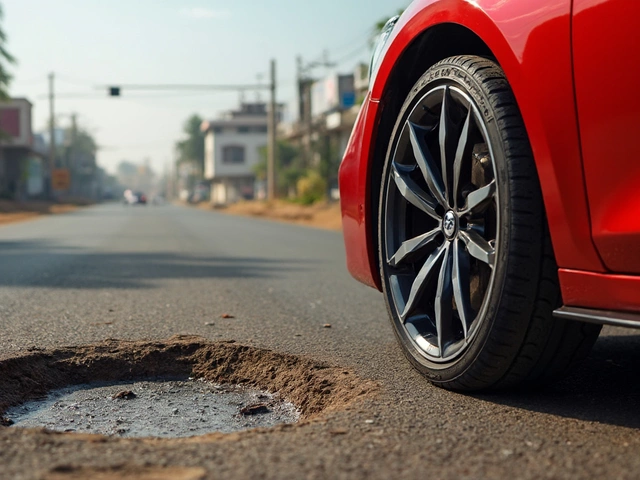 Do Alloy Wheels Crack Easily? What You Need to Know
Apr 3 2025
Do Alloy Wheels Crack Easily? What You Need to Know
Apr 3 2025
-
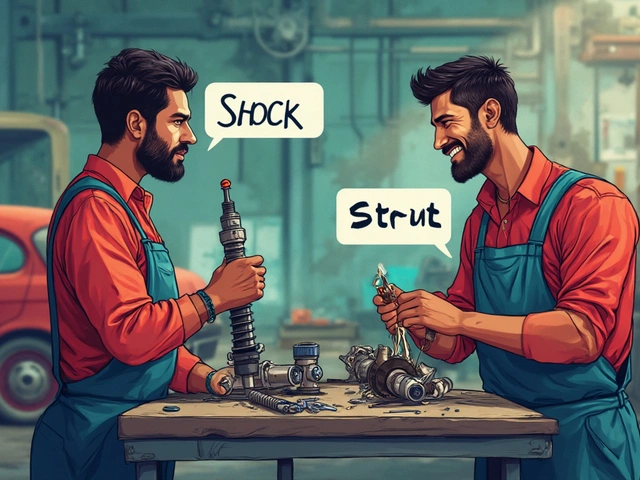 Shocks vs. Struts: Can You Replace One Without the Other?
Jun 16 2025
Shocks vs. Struts: Can You Replace One Without the Other?
Jun 16 2025