Car Repair: Common Issues, Signs, and What You Need to Know
When your car starts making strange noises or feels off on the road, you're not just dealing with a car repair, the process of diagnosing and fixing mechanical or electrical problems in a vehicle. Also known as automotive maintenance, it's the difference between a quick fix and a roadside emergency. Most people wait until something breaks completely—but smart drivers catch problems early by learning what normal feels like.
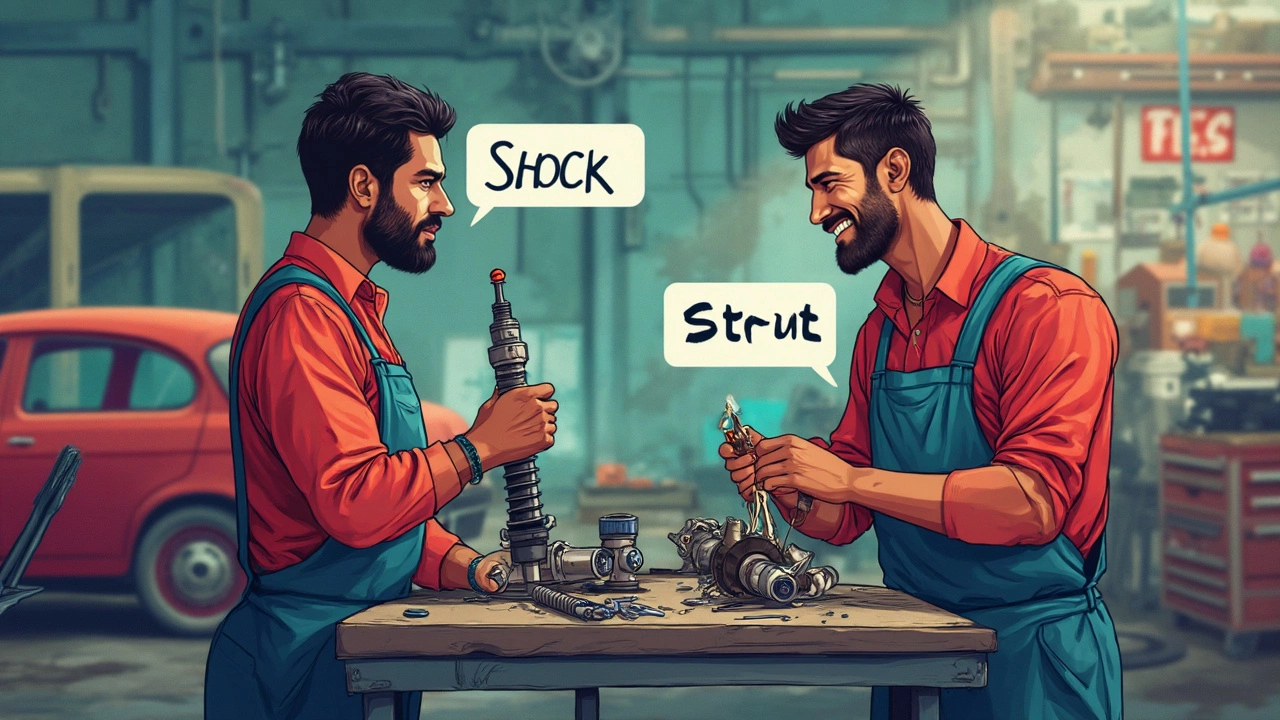
A clutch replacement, the process of swapping out a worn clutch assembly to restore gear engagement isn't something you do every year, but when it fails, it leaves you stranded. Signs like slipping gears, a spongy pedal, or a burning smell mean it's not just old—it's failing. Same with brake pads, friction material that presses against rotors to slow or stop your vehicle. Squealing isn't just annoying—it's your last warning before metal grinds on metal. And then there's suspension repair, fixing components like shocks, struts, and control arms that keep your tires in contact with the road. A bad suspension doesn't just make the ride bumpy—it ruins your tires, throws off your brakes, and makes steering dangerous.
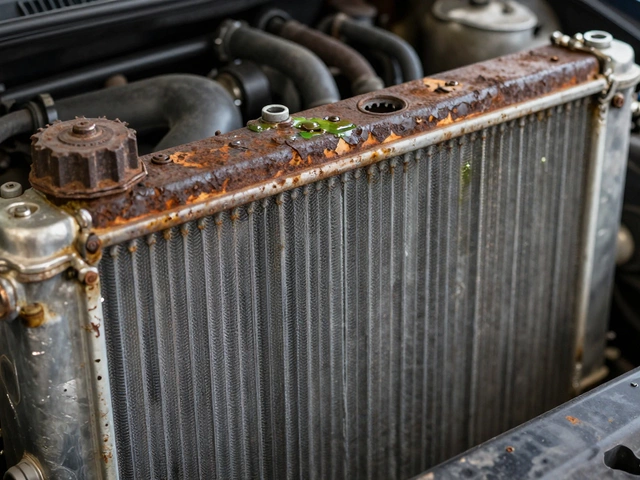
Even something as simple as a radiator replacement, swapping out the engine’s cooling unit to prevent overheating can save you thousands. Modern cars still rely on them—even electric ones—because heat doesn’t disappear just because there’s no engine. Ignoring a leak or a clogged radiator leads to engine damage faster than you think.
These aren’t random fixes. They’re connected. A worn clutch stresses the transmission. Bad brake pads wear down rotors. A failing suspension accelerates tire wear. And all of it ties back to one thing: paying attention. You don’t need to be a mechanic to spot the signs. Listen for noises. Feel for vibrations. Watch for warning lights. The posts below cover real cases—what people actually experienced, how much it cost, and what they could’ve done sooner. No fluff. No theory. Just what works when your car starts acting up.
-
16 Jun
-
25 May

Can I Drive With a Broken Clutch? Essential Facts You Should Know
Wondering if you can keep driving when your clutch is busted? This article breaks down what really happens when your clutch fails and what to expect if you try to push through. We'll cover the warning signs of a broken clutch, the real risks of driving like that, and what you can do about it. Get practical advice on what steps to take next. This read will help you figure out how to avoid expensive mistakes. -
18 May

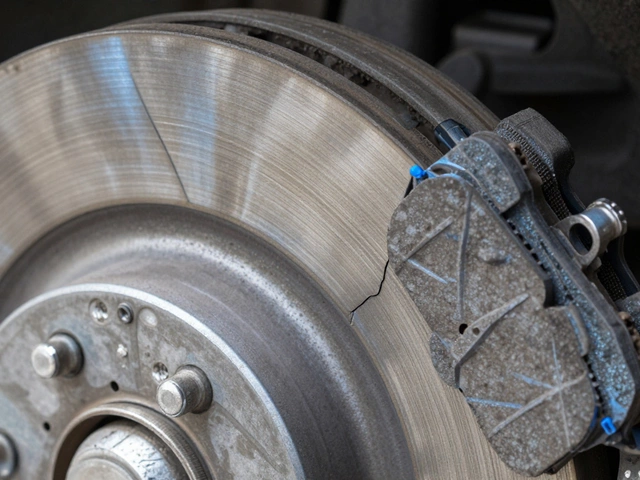
Brake Pads vs. Rotors: Can You Change One Without the Other?
Wondering if you can swap out just your car's brake pads and leave the rotors alone? This article breaks down when it's safe (and smart) to just replace pads, the signs your rotors need attention, and how skipping rotor replacement might affect your brakes. You'll get quick tips for checking rotor condition, plus how shops decide when to upsell you on extra repairs. Learn how to make the best call for your car, your wallet, and your safety. -
18 Feb

How Much Should It Cost to Replace a Car Radiator?
Replacing a car radiator can be a significant repair, and understanding the costs involved is crucial for car owners. This article breaks down the average expenses associated with radiator replacement, including parts and labor. It also provides insights into factors affecting costs, such as car model and location. Additionally, it offers tips to potentially save money and maintain your radiator for longevity. Explore this comprehensive guide to make informed decisions regarding radiator replacement.
- Recent
- Popular