Cat-Back System: What It Is, How It Works, and What You Need to Know
A cat-back system, the part of a vehicle’s exhaust that runs from the catalytic converter to the rear of the car. Also known as exhaust system rear section, it’s not just about making your car louder—it’s about airflow, backpressure, and how your engine breathes after the emissions control device. Most factory exhausts are designed for quiet operation and emissions compliance, not performance. A cat-back system swaps out the stock pipes, mufflers, and tips to improve flow, reduce weight, and change the sound. It’s one of the most common upgrades for drivers who want more character from their ride without touching the engine.
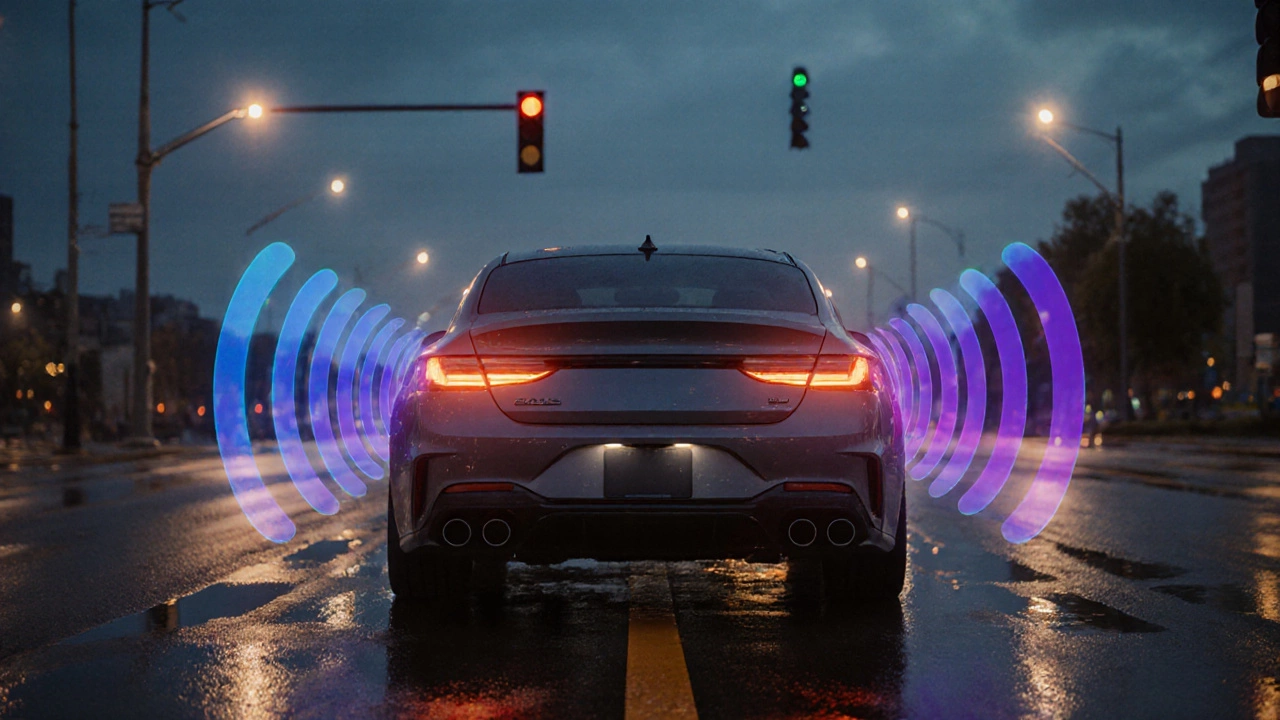
But here’s the thing: not all cat-back systems are created equal. Some add a few horsepower by reducing restrictions, while others just make noise without any real gain. The key is matching the design to your engine. A system built for a turbocharged 4-cylinder won’t work the same on a V6. And if you’re in India, where fuel quality and road conditions vary, a system that’s too aggressive can lead to premature wear or even legal trouble. You also need to consider exhaust noise, the sound level produced by the system, often regulated by local traffic laws. Many drivers don’t realize that louder doesn’t mean better—some systems drone at highway speeds, turning a drive into a headache. Then there’s performance exhaust, a category of exhaust systems designed to improve engine efficiency and output. These aren’t just about sound—they’re engineered with larger diameters, smoother bends, and high-flow mufflers to let exhaust gases exit faster. That reduces backpressure, which can help your engine breathe better and make more power, especially at higher RPMs.
What you’ll find in this collection are real experiences from people who’ve installed cat-back systems, what they actually gained (or lost), and what went wrong. You’ll read about how a 2 into 1 exhaust setup can hurt low-end torque, why replacing a muffler might fix a strange rattle, and how a poorly designed system can make your car louder but slower. These aren’t theory pieces—they’re stories from the garage, the highway, and the mechanic’s bay. You’ll learn which brands hold up in Indian heat and dust, how to spot a cheap system that’ll rust in six months, and whether you really need a tune after installation. No fluff. Just what works, what doesn’t, and what you should ask before you pay.
-
22 Oct
- Recent
- Popular