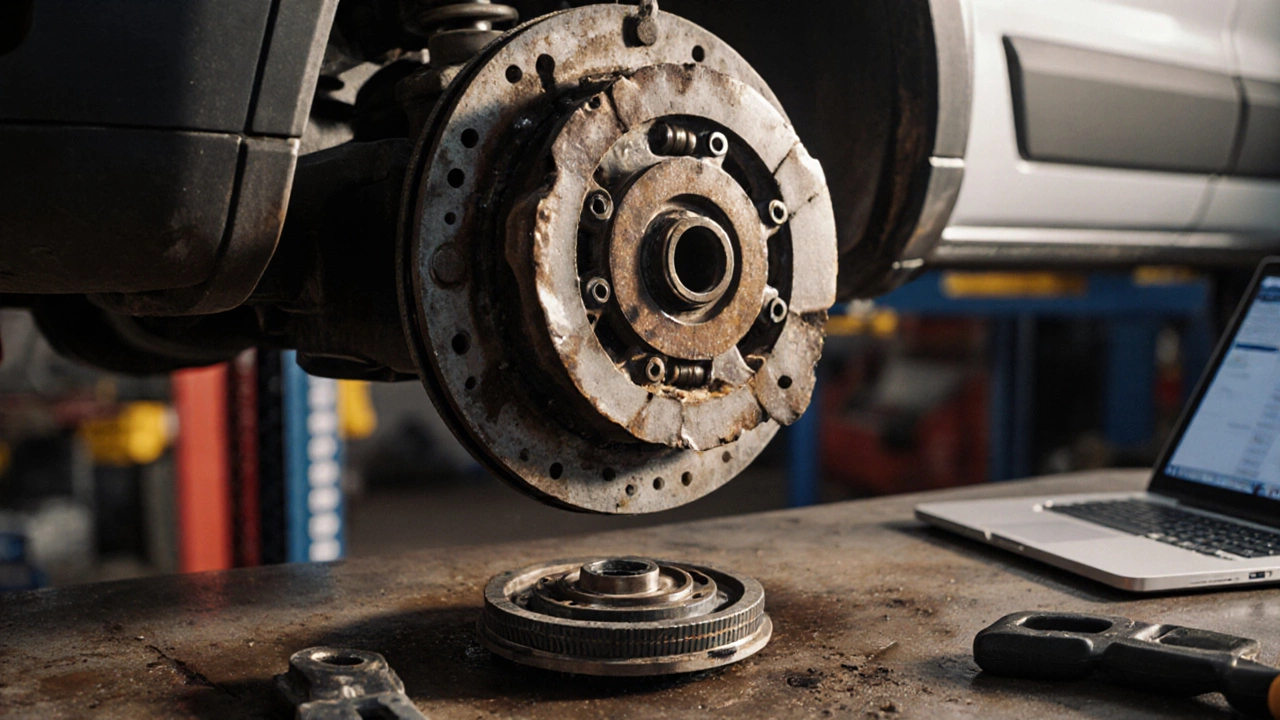
Clutch Failure: Signs, Causes, and What to Do Next
When your clutch failure, the point at which the clutch can no longer transfer engine power to the transmission. Also known as clutch slippage, it happens when the friction material wears out or the pressure plate loses tension, making it impossible to engage gears properly. You’ll notice it before it completely dies—your car won’t accelerate when you press the gas, the engine revs without moving, or you smell burning friction material. It’s not always sudden. Most clutch failures creep up over time, often ignored until you’re stuck on the side of the road.
Clutch failure doesn’t happen in a vacuum. It’s tied to clutch wear, the gradual thinning of the friction disc from normal use and bad driving habits. Riding the clutch pedal, shifting too fast, or holding the car on a hill with the clutch instead of the brake all speed up this process. Then there’s clutch adjustment, the process of setting the right pedal free play to ensure full engagement and disengagement. Too little free play means the clutch never fully releases, causing premature wear. Too much, and you won’t get full power transfer. Both lead to failure. And when it’s time to fix it, you’re not just replacing the clutch disc—you’re usually replacing the entire clutch kit, a bundled set including the pressure plate, release bearing, and sometimes the flywheel. Skipping the flywheel when it’s worn can kill a new clutch in weeks.
Signs you’re heading for trouble? A spongy or overly stiff clutch pedal, grinding when shifting, the car lurching when you let the pedal out, or a sudden loss of power uphill. If your clutch used to engage near the top of the pedal and now it’s halfway down, that’s your warning. It’s not a "maybe"—it’s a "soon." And while some people try to stretch it out, every mile driven with a failing clutch risks damage to the transmission, which costs ten times more to fix.
This collection of posts gives you the real talk: how long clutches actually last, what causes them to die faster, how to spot trouble before it’s too late, and whether you can replace it yourself. You’ll find clear advice on clutch kits, adjustment checks, and the hidden costs most mechanics won’t tell you upfront. No fluff. No upsells. Just what you need to know to make the right call before your car stops moving altogether.
-
3 Nov
-
13 Oct

Common Signs Your Car Has a Bad Clutch - How to Spot Problems Early
Learn the key symptoms of a bad clutch, how to diagnose issues, when to replace parts, and tips to keep your clutch working smoothly. -
25 May

Can I Drive With a Broken Clutch? Essential Facts You Should Know
Wondering if you can keep driving when your clutch is busted? This article breaks down what really happens when your clutch fails and what to expect if you try to push through. We'll cover the warning signs of a broken clutch, the real risks of driving like that, and what you can do about it. Get practical advice on what steps to take next. This read will help you figure out how to avoid expensive mistakes.
- Recent
- Popular