Clutch Kit Lifespan: How Long Do They Last and What Kills Them?
When you press the clutch pedal, you're relying on a clutch kit, a set of components that connects and disconnects the engine from the transmission. Also known as a clutch assembly, it's one of the most abused parts in a manual car—yet most drivers have no idea how long it's supposed to last or what’s actually wearing it down.
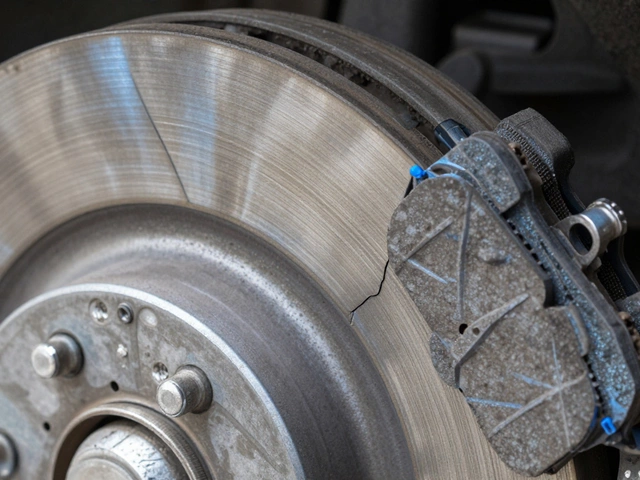
A typical clutch kit lasts between 60,000 and 100,000 miles, but that number means little if you’re riding the pedal, slipping the clutch in traffic, or using it like a parking brake. The real killer isn’t mileage—it’s clutch wear, the gradual breakdown of the friction material on the disc. Every time you let the clutch slip instead of fully engaging, you’re burning off that material. Over time, this leads to clutch failure, when the disc can no longer grip the flywheel properly, causing slippage, grinding, or complete loss of power transfer.
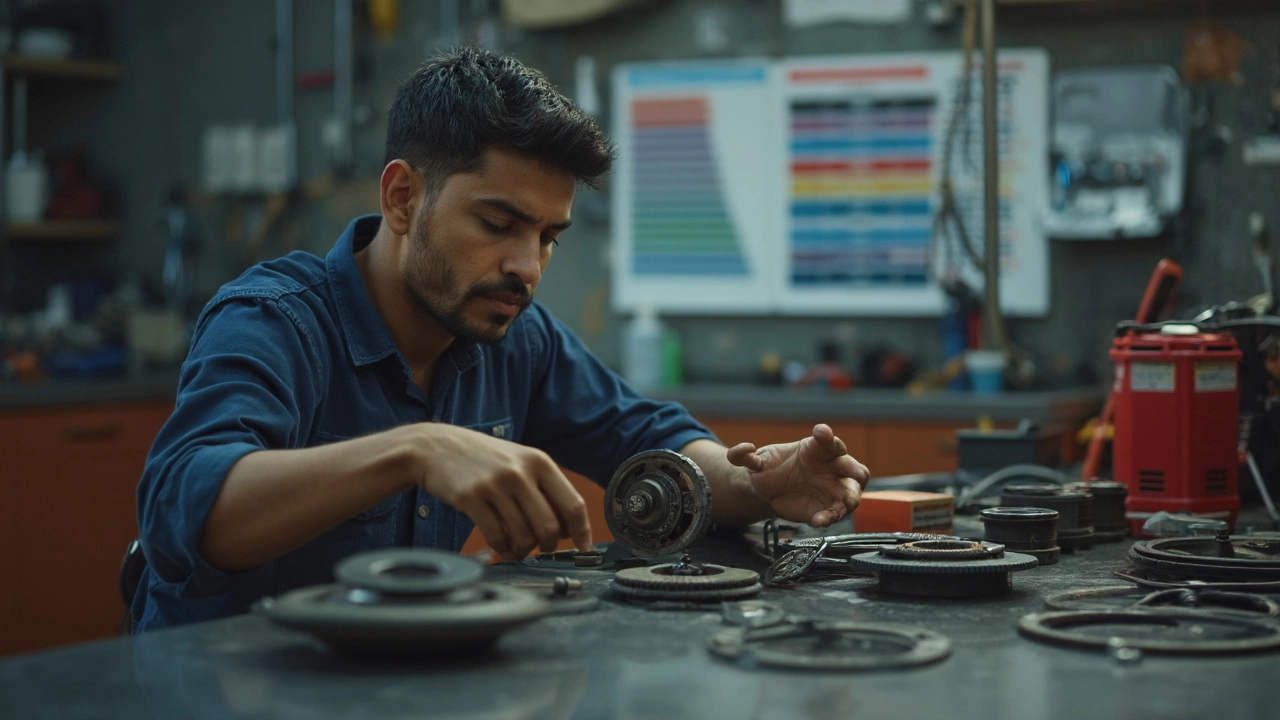
It’s not just about how you drive. The type of vehicle matters too. A heavy-duty truck or a tuned sports car puts way more stress on the clutch than a small city car. Even the quality of the clutch kit, which includes the pressure plate, disc, and release bearing affects longevity. Cheap aftermarket parts might save you money upfront but often wear out in half the time. And don’t forget the flywheel—if it’s warped or worn, even a brand-new clutch won’t last.
You’ll know something’s wrong before it completely dies. A spongy pedal, difficulty shifting, a burning smell, or the engine revving without acceleration are all red flags. Some drivers ignore these signs until the clutch gives out on the highway. That’s when the real cost hits—not just the price of a new kit, but the labor to pull the transmission, which can take half a day. Replacing a clutch isn’t a quick fix. It’s a major job.
But here’s the good news: you can extend your clutch kit’s life by changing how you drive. Don’t rest your foot on the pedal. Don’t hold the car on a hill with the clutch. Don’t rev high and drop the clutch. These habits don’t make you a better driver—they just make your clutch wear faster. Simple habits can add tens of thousands of miles to its life.
Below, you’ll find real-world guides on what to look for when your clutch starts acting up, how much replacement actually costs, how long the job takes, and what mistakes to avoid. Whether you’re trying to spot early wear, planning a repair, or just curious why your clutch died sooner than expected, these posts give you the facts—not guesses.
-
2 Jun
- Recent
- Popular