Driving Issues: Common Car Problems and How to Spot Them Early
When your car starts acting up, it’s rarely just one thing. Driving issues, unexpected changes in how your vehicle handles, sounds, or stops. Also known as vehicle performance problems, they’re often early warnings from worn parts that, if ignored, lead to dangerous or expensive failures. You might think a weird noise or a spongy pedal is normal—but it’s not. These are signals your car is begging for attention.
Take bad suspension, a failing system that controls ride quality and tire contact with the road. If your car bounces too much over bumps, pulls to one side, or feels loose when turning, your shocks or struts are likely worn. This isn’t just uncomfortable—it affects braking distance and tire wear, and can even make steering unpredictable. Then there’s clutch wear, the gradual breakdown of the component that connects your engine to the transmission. Slipping gears, a spongy pedal, or a burning smell aren’t just annoyances—they mean your clutch is dying. And if you wait too long, you could end up needing a whole new clutch kit, not just a simple fix.
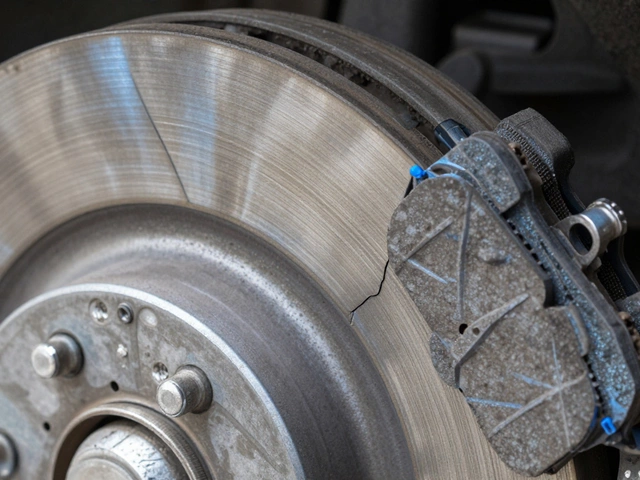
Don’t forget brake pads, the friction material that actually stops your car. When they’re worn thin, you hear squealing, feel vibration, or notice longer stopping distances. These aren’t myths—they’re real signs that your safety is at risk. Same goes for fuel pump failure, a hidden problem that can leave you stranded without warning. A whining noise from the fuel tank or sudden engine sputtering? That’s not your imagination. It’s your pump giving up.
These problems don’t show up overnight. They creep in slowly, often disguised as "just the way the car feels." But the difference between fixing a small part now and replacing a whole system later is often just a few weeks—and a quick check. The posts below cover exactly what to look for, how to tell if it’s serious, and what it’ll cost to fix. No fluff. No guesswork. Just real signs, real costs, and real advice from people who’ve been there.
-
15 Apr
- Recent
- Popular