Fuel Delivery Problems: Signs, Causes, and What to Do
When your car hesitates, sputters, or won’t start—even with a full tank—you’re likely dealing with fuel delivery problems, a failure in the system that moves fuel from the tank to the engine. Also known as fuel system issues, this isn’t just about running out of gas—it’s about the pump, lines, filters, or injectors failing to deliver fuel under the right pressure. Many drivers ignore early warning signs, thinking it’s just a bad day for the car. But these problems don’t fix themselves. They get worse. And when they do, they can wreck your engine, fry your catalytic converter, or leave you stranded on the highway.
Fuel pump failure, the most common cause of fuel delivery problems often starts quietly. You might hear a faint whine from the back of the car when you turn the key. Or your engine sputters at highway speeds, then catches again. That’s not normal. It’s the pump struggling to keep up. A failing pump doesn’t always die suddenly—it wears out slowly, dropping pressure until the engine can’t run right. Low fuel pressure, a direct result of pump wear or clogged filters means the injectors don’t get enough fuel to spray properly. That leads to misfires, rough idling, and poor acceleration. And if you keep driving, you risk overheating the pump or flooding the engine with too much air and not enough fuel.
It’s not just the pump. Clogged fuel filters, dirty injectors, or even a cracked fuel line can cause the same symptoms. A filter that hasn’t been changed in 60,000 miles can starve the engine. A cracked line lets air in, which confuses the fuel system. And if your car has an old-style carburetor or a modern direct-injection engine, the symptoms look different but the root cause is the same: fuel isn’t getting where it needs to go. You can’t fix this with a diagnostic code alone. You need to check pressure, inspect lines, listen for pump noise, and sometimes even test fuel flow manually.
What you’ll find in the posts below aren’t generic lists. They’re real, practical breakdowns of what fuel delivery problems actually look like in the field. You’ll learn how to tell a bad fuel pump apart from a bad sensor, what that whining noise really means, and how to do a quick DIY check before you spend hundreds on a tow truck. Some posts even show you how to test fuel pressure with basic tools. Others explain why replacing a filter might be the cheapest fix you’ll ever make. This isn’t theory. It’s what mechanics see every day—and what you need to know before your next breakdown.
-
27 May
- Recent
- Popular
-
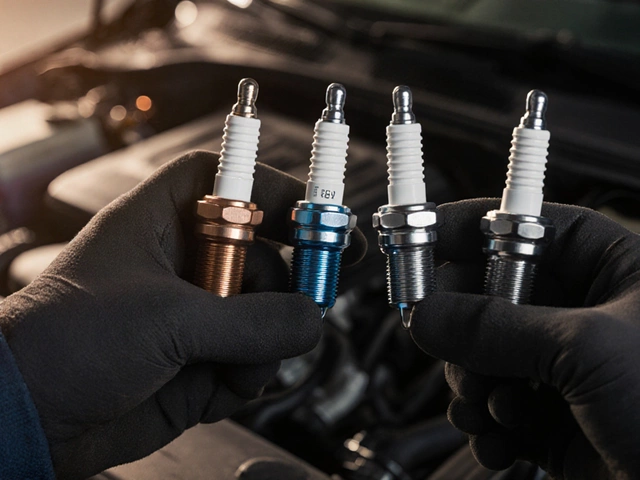 Do Spark Plugs Boost Horsepower? Fact vs. Myth
Oct 11 2025
Do Spark Plugs Boost Horsepower? Fact vs. Myth
Oct 11 2025
-
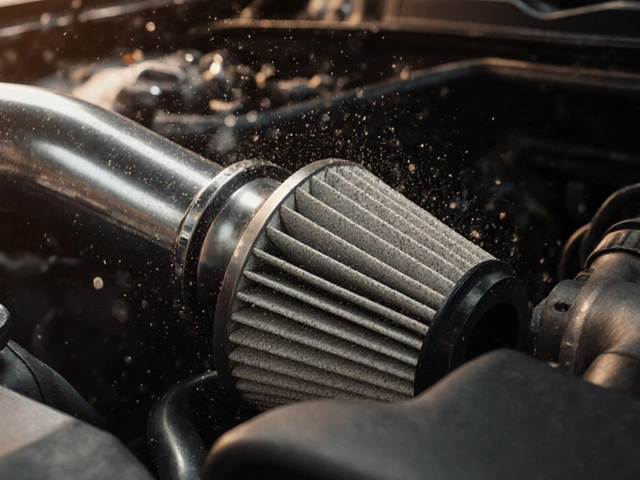 Air Filters: Key Uses and Benefits Explained
Oct 17 2025
Air Filters: Key Uses and Benefits Explained
Oct 17 2025
-
 How to Know if Your Car's AC Freon is Running Low?
Apr 7 2025
How to Know if Your Car's AC Freon is Running Low?
Apr 7 2025