Lifespan of Car Parts: How Long Do Brake Pads, Clutches, and Tires Really Last?
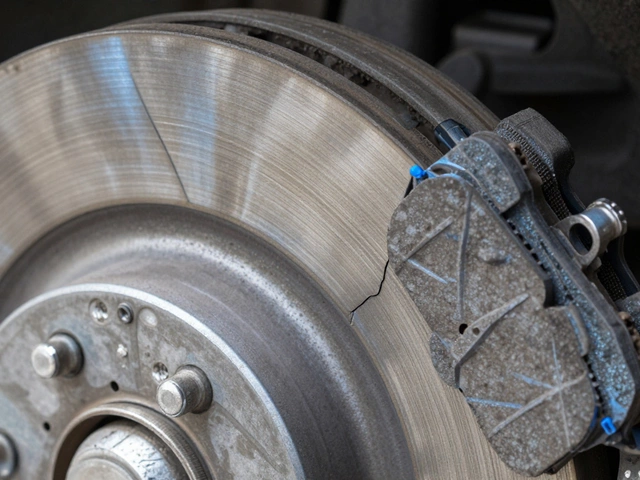
When you buy a car part, you’re not just buying a component—you’re buying lifespan, the predictable period a part functions before needing replacement. Also known as service life, it’s the silent number that decides when your next repair bill hits. Most people assume parts last as long as the manual says. But real life doesn’t follow the book. A clutch might last 40,000 miles in city traffic or 120,000 on highways. Brake pads can wear out in 20,000 miles if you ride the pedal, or hold for 70,000 if you drive smoothly. The clutch lifespan, how long a clutch assembly lasts before it slips or fails isn’t just about mileage—it’s about how you use it. Same with brake pads lifespan, the time or distance before brake friction material wears down to danger levels. It’s not magic. It’s driving habits, load, terrain, and maintenance.
Then there’s the tire lifespan, how long a tire remains safe and effective before cracking, balding, or losing grip. Many drivers think tires last five years. But heat, underinflation, and alignment issues can kill them in two. And don’t forget the radiator lifespan, how long a cooling system component stays functional before leaking or clogging. Even electric cars need cooling—and their radiators fail just like gas cars when neglected. These parts don’t die from age alone. They die from abuse. Skipping oil changes, ignoring suspension noise, riding the clutch, or driving on flat tires—all of it cuts lifespan short. You can’t control every factor, but you can control the big ones: check pressure, listen for weird sounds, and don’t wait for warning lights before acting.
What you’ll find below isn’t guesswork. It’s real data from real cars in India—clutch replacements after 50,000 km, brake pads worn out by aggressive braking, tires ruined by potholes. No theory. No fluff. Just what actually happens when parts wear out, and how to spot it before you’re stranded. Whether you’re trying to stretch out your next repair or avoid a dangerous failure, the answers are here.
-
9 Mar
- Recent
- Popular