MERV 14 Air Filters: What They Are and Why They Matter for Your Car and Home
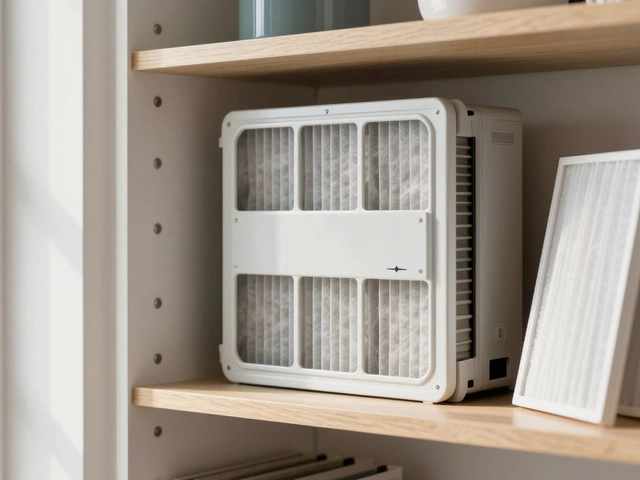
When you hear MERV 14, a rating that measures how well an air filter captures tiny particles like dust, pollen, and smoke. Also known as Minimum Efficiency Reporting Value 14, it’s one of the highest-grade filters used in homes and some commercial buildings. But here’s the catch: MERV 14 isn’t something you’ll find in most cars—and that’s by design. While your home HVAC system might use it to clean the air you breathe, your car’s cabin or engine air filter operates on a completely different scale. MERV ratings were built for buildings, not vehicles. Car filters don’t use MERV—they use their own standards based on airflow, dust capacity, and engine protection needs.
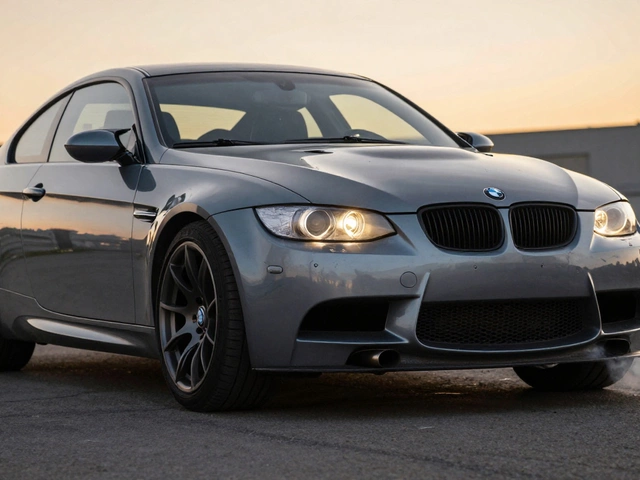
So why does MERV 14 even show up in car-related content? Because people confuse air filters across systems. If you’re searching for MERV 14, you’re probably worried about air quality—either in your house or your car’s cabin. And that’s valid. A dirty cabin air filter can make your car smell musty, reduce AC efficiency, and even trigger allergies. But the filter inside your car’s HVAC system? It’s usually rated for particle capture, not MERV. Most car cabin filters are equivalent to MERV 8 to MERV 11 at best. Going higher than that, like MERV 14, would choke airflow, strain the blower motor, and reduce cooling performance. The same goes for engine air filters: they’re designed to let in enough air for combustion while blocking grit and debris. A MERV 14 filter would restrict that flow too much, hurting fuel economy and power.
That doesn’t mean MERV 14 is useless. In fact, if you’re dealing with asthma, wildfire smoke, or heavy pollution, it’s one of the best filters for your home. It captures 90% of particles between 0.3 and 1.0 microns—things like bacteria, mold spores, and fine dust. But if you’re trying to upgrade your car’s filter to MERV 14 because you saw it online, you’re heading down the wrong path. Your car needs balance: enough filtration to protect the engine and cabin, but not so much that it strangles airflow. The real issue isn’t the MERV number—it’s matching the right filter type to the right system. Your home HVAC? MERV 13 to MERV 16 is fine. Your car? Stick to OEM-recommended cabin or engine filters. They’re built for the job.
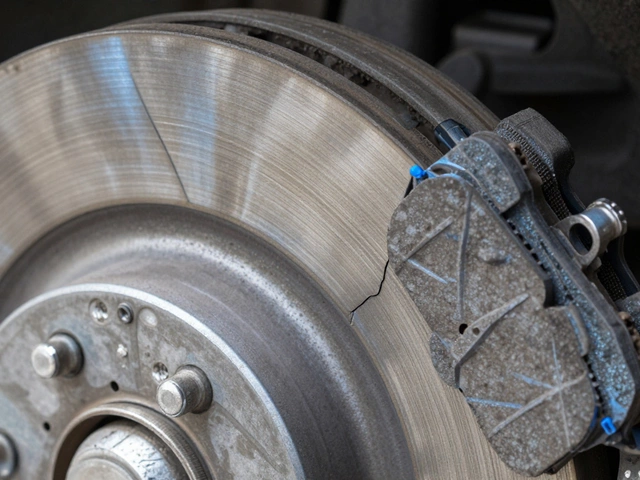
What you’ll find below are real-world posts that cut through the noise. You’ll learn how worn-out cabin filters make your AC weak, why engine air filters matter more than you think, and how skipping simple filter changes can lead to expensive repairs. No fluff. Just facts about what actually happens when filters fail—and how to fix it before it costs you.
-
26 Jan
- Recent
- Popular