Noise Pollution and Your Car: How Vehicle Parts Cause Unwanted Sound
When you hear a loud rumble, squeal, or clunk from your car, you're not just hearing a mechanical issue—you're experiencing noise pollution, unwanted sound from vehicles that disrupts daily life and can signal serious mechanical problems. Also known as road noise, it's more than a nuisance—it's a health risk and a red flag for failing parts. In cities across India, traffic noise is one of the top environmental complaints, and your car plays a bigger role than you think.
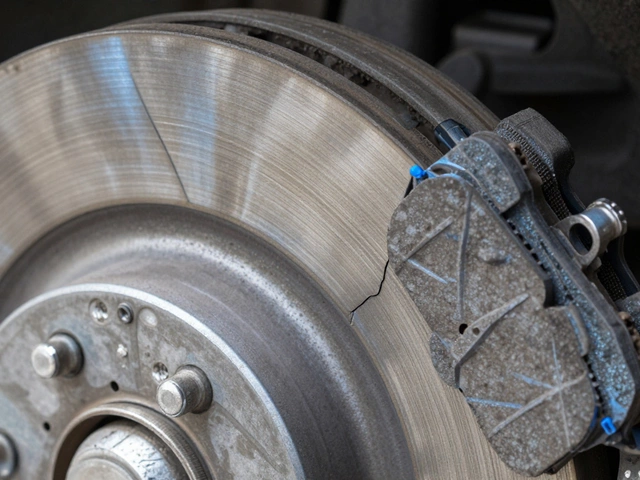
Suspension noise, the clunking or rattling from worn shocks or broken mounts. Also known as vehicle vibration sounds, it's one of the most common sources of noise pollution on the road. A bad suspension doesn’t just make your ride bumpy—it turns every pothole into a drumbeat. Brake noise, the high-pitched squeal or grinding when you stop. Also known as brake pad wear sounds, it’s often ignored until the pads are gone and rotors are ruined. Then there’s exhaust sound, the deep roar or hiss from a damaged muffler or modified system. Also known as performance exhaust noise, it’s sometimes intentional—but often illegal and harmful to neighbors. These aren’t just car problems. They’re community problems. A study in Delhi found that over 60% of residents near busy roads reported sleep disruption due to vehicle noise, mostly from worn brakes and loose suspensions.
What connects all these issues? They’re symptoms of parts that have worn out or been modified without care. You can’t fix noise pollution by turning up the music. You fix it by fixing the car. The posts below show you how to spot these sounds before they become expensive repairs—or before they make your neighborhood hate your ride. You’ll learn how to tell if that clunk is a bad shock, if that squeal means your pads are done, and why a loud exhaust might cost you more than just your peace of mind.
-
8 Jul
- Recent
- Popular