Repair Tips: Essential Fixes for Car Parts That Actually Work
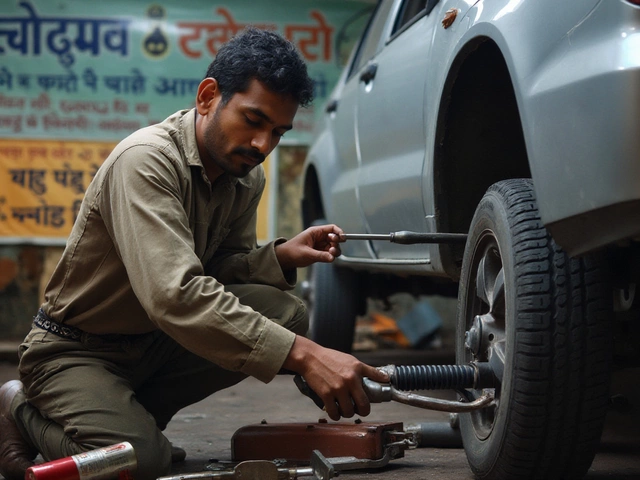
When your car starts making weird noises or feels off on the road, repair tips, practical steps to diagnose and fix common vehicle problems. Also known as car maintenance hacks, these are the real-world fixes that keep your vehicle running without draining your wallet. You don’t need a garage full of tools or an engineering degree—just the right knowledge. Whether it’s a squealing brake, a slipping clutch, or a suspension that feels like it’s falling apart, knowing what to look for saves time, money, and stress.
Most people ignore early warning signs until something breaks completely. But clutch replacement, the process of swapping out a worn clutch kit to restore gear shifting doesn’t have to be a surprise. Signs like a spongy pedal, grinding gears, or the engine revving without acceleration mean your clutch is giving you a heads-up. Same with brake pads, the friction material that slows your car when you press the pedal. If you hear a high-pitched screech or feel vibration when stopping, those pads are worn thin. And then there’s suspension repair, fixing worn shocks, struts, or bushings that affect ride and control. A bouncy ride or uneven tire wear isn’t just uncomfortable—it’s dangerous. These aren’t minor issues. They’re signals your car is begging for attention.
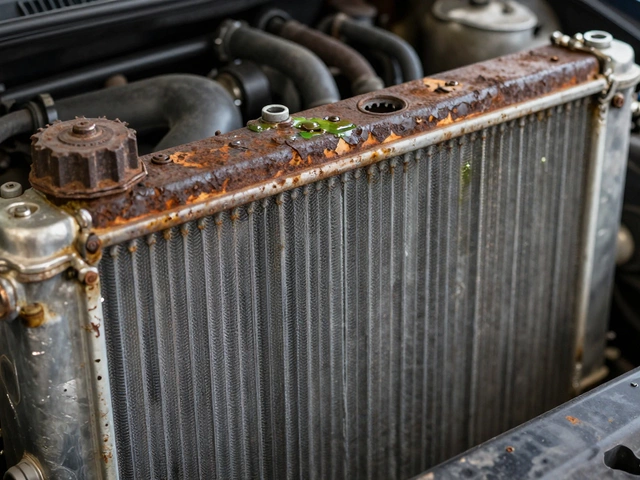
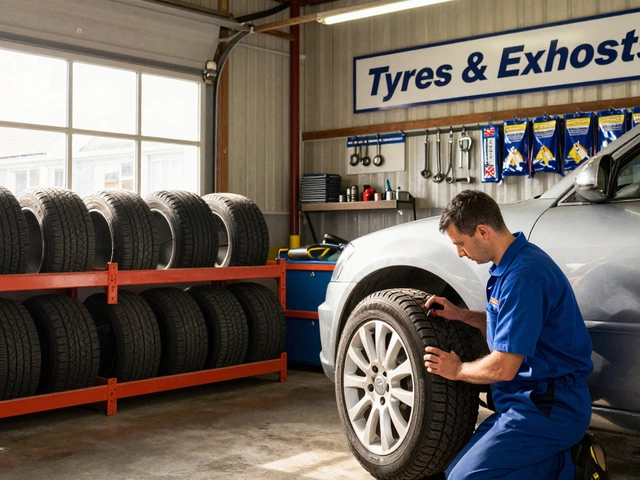
Some repairs, like changing brake pads or swapping an air filter, are doable with basic tools and an hour or two. Others, like a full radiator replacement, installing a new cooling system component to prevent engine overheating, need professional help. Knowing the difference keeps you from wasting money or making things worse. The posts below cover exactly that—real fixes for real problems. You’ll find cost breakdowns, step-by-step signs of failure, and honest advice on what you can handle yourself versus what needs a mechanic. No fluff. No guesswork. Just what works.
-
11 Feb
- Recent
- Popular