Replace Rotors: When and Why You Need New Brake Rotors
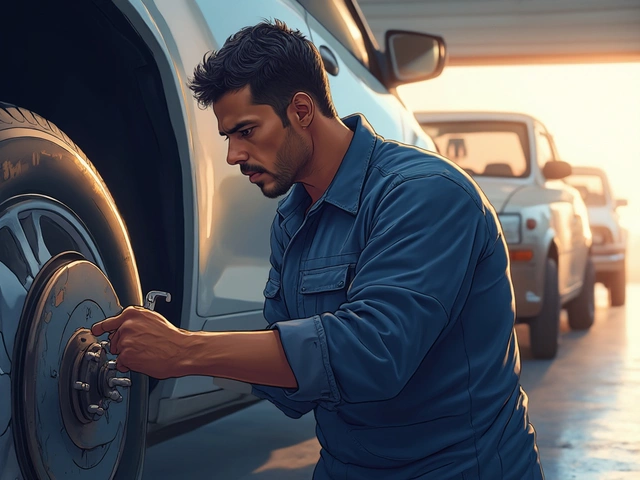
When you replace rotors, you’re not just swapping metal discs—you’re ensuring your car stops safely. Brake rotors are the spinning discs that brake pads clamp down on to slow your vehicle. Over time, they wear thin, warp from heat, or develop deep grooves. If you’ve noticed vibrations when braking, a squealing noise, or longer stopping distances, your rotors might be done. This isn’t a "maybe" situation. Driving with bad rotors puts you and others at risk, and it can wreck your brake pads faster than you think.
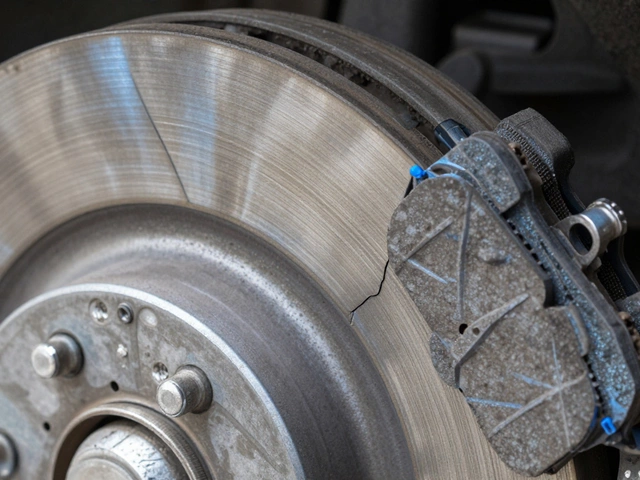
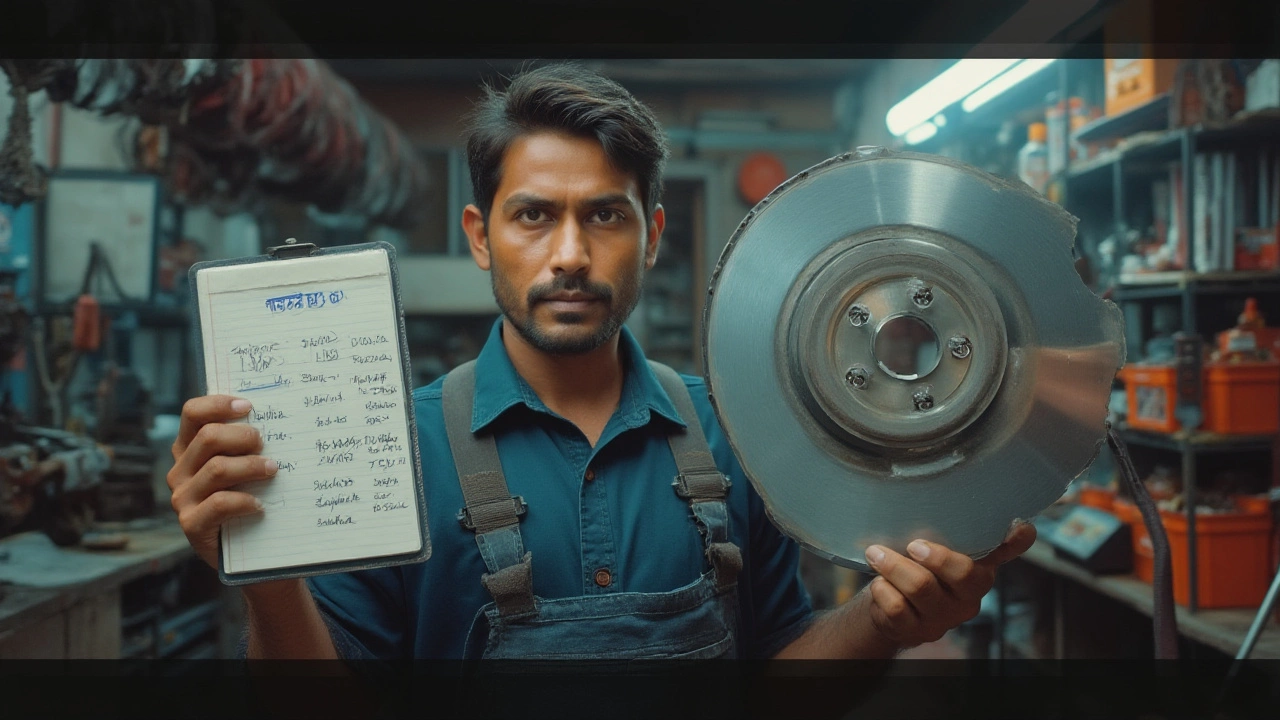
Rotors don’t wear the same way as pads. While pads wear evenly from friction, rotors can become uneven from overheating, poor installation, or driving with worn pads for too long. A warped rotor causes your steering wheel to shake when you brake. Deep grooves mean your pads don’t grip properly. Both reduce stopping power. In India’s mixed traffic—where sudden stops are common—this isn’t just inconvenient, it’s dangerous. You might think rotors last forever, but most need replacing between 50,000 and 70,000 kilometers, depending on driving style and brake pad quality. If you’ve replaced your pads twice and never touched the rotors, you’re overdue.
Some mechanics try to save you money by resurfacing rotors instead of replacing them. But that only works if the rotor is thick enough. Many modern rotors are too thin to safely machine. Resurfacing removes material, and if you go too far, the rotor can crack under heat or pressure. It’s cheaper upfront, but often a false economy. Replacing rotors with new ones gives you a flat, even surface that works perfectly with new pads. It’s a one-time fix that lasts.
And it’s not just about the rotors themselves. When you replace rotors, you should also check the brake calipers, hardware, and fluid. A sticking caliper can cause uneven rotor wear. Old brake fluid can boil under pressure, reducing braking efficiency. These are all parts of the same system. Ignoring one part means the others won’t perform as they should. That’s why smart drivers replace rotors and pads together. It’s faster, safer, and often cheaper in the long run.
You don’t need to be a mechanic to spot trouble. Listen for noise. Feel for vibration. Watch your stopping distance. If your car pulls to one side when braking, that’s a sign of uneven wear—likely from a bad rotor or caliper. And if you’ve ever seen your rotors glowing red after a long downhill drive, you know how much heat they handle. That kind of stress doesn’t leave them unscathed.
There’s no magic number for when to replace rotors. It depends on your car, your driving, and your brake pads. But if you’re replacing pads now, inspect the rotors. Measure their thickness. Look for cracks, deep scoring, or bluing (a discoloration from overheating). If any of these are present, don’t wait. Don’t risk your safety for a few hundred rupees. Replacing rotors isn’t a luxury—it’s part of keeping your car alive on Indian roads.
Below, you’ll find real-world guides on brake wear, replacement costs, signs of failure, and how to tell if your system is still safe. No fluff. Just what you need to know before your next brake job.
-
22 Jul
- Recent
- Popular