Rim Durability: What Makes Rims Last and When They Fail
When you hit a pothole or curb, your rim durability, the ability of a wheel rim to resist bending, cracking, or breaking under stress. Also known as wheel strength, it’s not just about looks—it’s what keeps your tires sealed, your suspension stable, and your car under control. A weak or damaged rim doesn’t just look bad. It can cause slow leaks, uneven tire wear, or even a blowout at highway speeds. Most people think rims are built to last, but the truth is, many fail long before they should—especially in India’s rough road conditions.
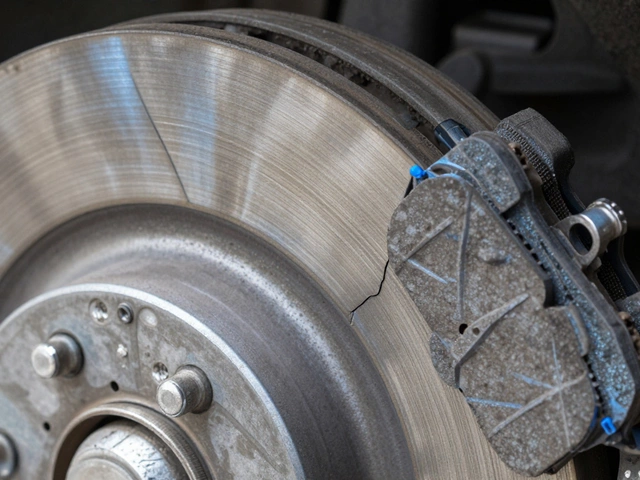
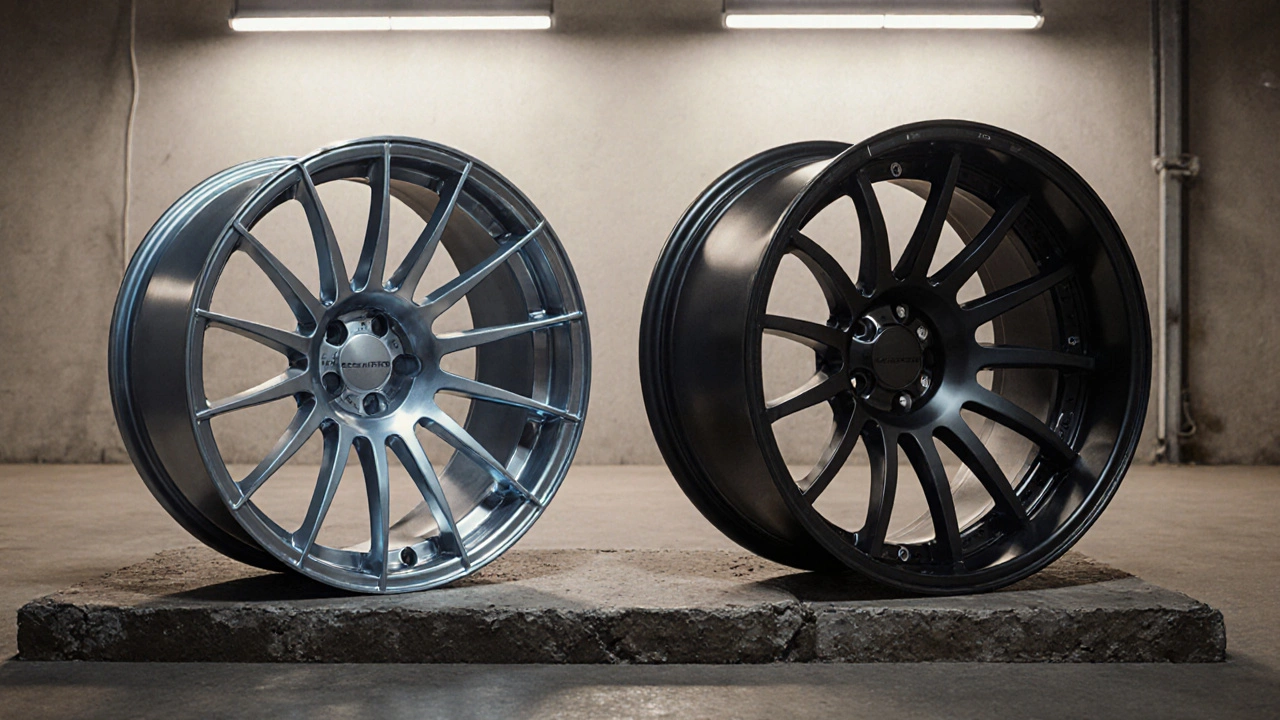
Alloy wheels, lightweight metal wheels commonly used in modern cars for better handling and fuel efficiency look great but are more fragile than steel rims. They crack easily from sharp impacts, especially if they’re thin or poorly made. Steel rims, on the other hand, bend instead of breaking. That’s not ideal either, but a bent steel rim can often be fixed. A cracked alloy rim? Usually, it’s trash. Then there’s wheel damage, any physical harm to the rim that affects its shape, seal, or structural integrity. It’s not always obvious. You might not feel it right away, but over time, it throws off your balance, wears out your tires faster, and strains your suspension. That’s why checking your rims after every bad bump matters.
What kills rim durability? Speed over potholes. Heavy loads. Cheap aftermarket rims. Driving with underinflated tires. Even washing your wheels with harsh cleaners can weaken the finish and make them more prone to corrosion. And don’t assume bigger rims are better. Larger diameters mean thinner sidewalls and less cushioning—more impact, more damage. If you drive on bad roads, stick to smaller, thicker rims. They last longer and cost less to replace.
Signs your rim is failing? A slow tire leak you can’t plug. A wobble at 60 km/h. A tire that won’t hold air even after a new tube. Visible cracks, deep scratches, or bulges near the bead seat. If your car pulls to one side and you’ve checked the tires and alignment, look at the rim. It’s often the hidden culprit.
The posts below cover real cases—drivers who ignored a bent rim until their suspension failed, others who saved hundreds by spotting damage early, and experts who explain why some rims survive years of abuse while others crack on the first bad bump. You’ll find out how to test your rims at home, what to ask a mechanic before they charge you for a "replacement," and which brands actually deliver on rim durability in Indian conditions. No fluff. Just what works.
-
12 Oct
- Recent
- Popular