Rotors Lifespan: How Long Do Brake Rotors Last and When to Replace Them
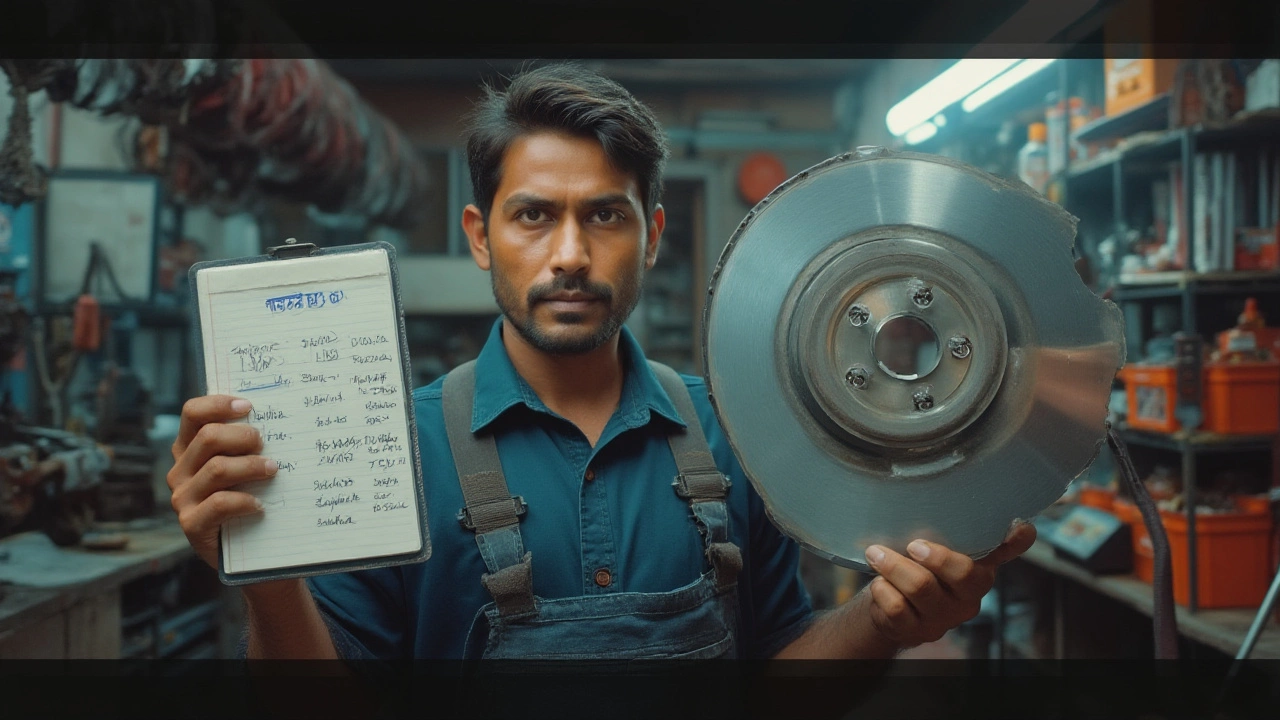
When you hear a grinding or squealing noise from your brakes, it’s not just the brake pads, thin friction components that press against the rotor to stop your vehicle that might be worn out—it’s often the brake rotors, the metal discs that rotate with your wheels and are clamped by the pads to create stopping power that are damaged or worn thin. Most rotors last between 30,000 and 70,000 miles, but that number isn’t fixed. Driving habits, climate, and brake pad quality all play a bigger role than you think. If you ride the brake pedal in city traffic, haul heavy loads, or live in a humid area, your rotors wear faster. And if you ignore worn pads, they’ll dig into the rotor surface, creating grooves that make even new pads ineffective.
The brake system, the entire mechanism that converts pedal pressure into stopping force, including pads, rotors, calipers, and fluid is only as strong as its weakest part. A warped rotor can cause vibration when braking, uneven pad wear, and longer stopping distances. Some drivers replace rotors every time they change pads—others stretch them out until they’re visibly damaged. But here’s the truth: if your rotors are still above the manufacturer’s minimum thickness and have no deep cracks or severe scoring, they can often be resurfaced. But if they’re thin, cracked, or warped beyond repair, replacing them isn’t optional—it’s a safety must. You can’t fix a rotor that’s been overheated from dragging brakes or worn down by metal-on-metal contact. And no, skipping a rotor replacement to save money doesn’t work—it just turns a $200 job into a $600 one later.
There’s no magic number for rotor life, but there are clear signs you can spot yourself. Does your car shake when you brake? Do you hear a metallic scraping sound even after replacing pads? Is the rotor surface uneven or blued from heat? These aren’t just annoyances—they’re warnings. Your brake wear, the gradual degradation of brake components through use, affecting both pads and rotors doesn’t happen overnight. It builds slowly, and most people don’t notice until it’s too late. That’s why checking your rotors during every brake service matters. A mechanic can measure thickness with a micrometer, but you can look for visual damage. Keep an eye out, and you’ll avoid surprises on the road.
What you’ll find below are real-world stories and practical guides from drivers who’ve been there—some replaced rotors too early, others waited too long. You’ll see how driving style, vehicle type, and brake pad material change rotor life. You’ll learn how to spot early damage before it costs you more. And you’ll get clear, no-fluff advice on when to resurface, when to replace, and when to walk away from a shady repair shop. This isn’t theory. It’s what actually happens on Indian roads, in monsoon heat, on rough highways, and in stop-and-go traffic. Let’s get you the facts you need to keep your brakes working, not just turning.
-
22 Jul
-
3 Jun
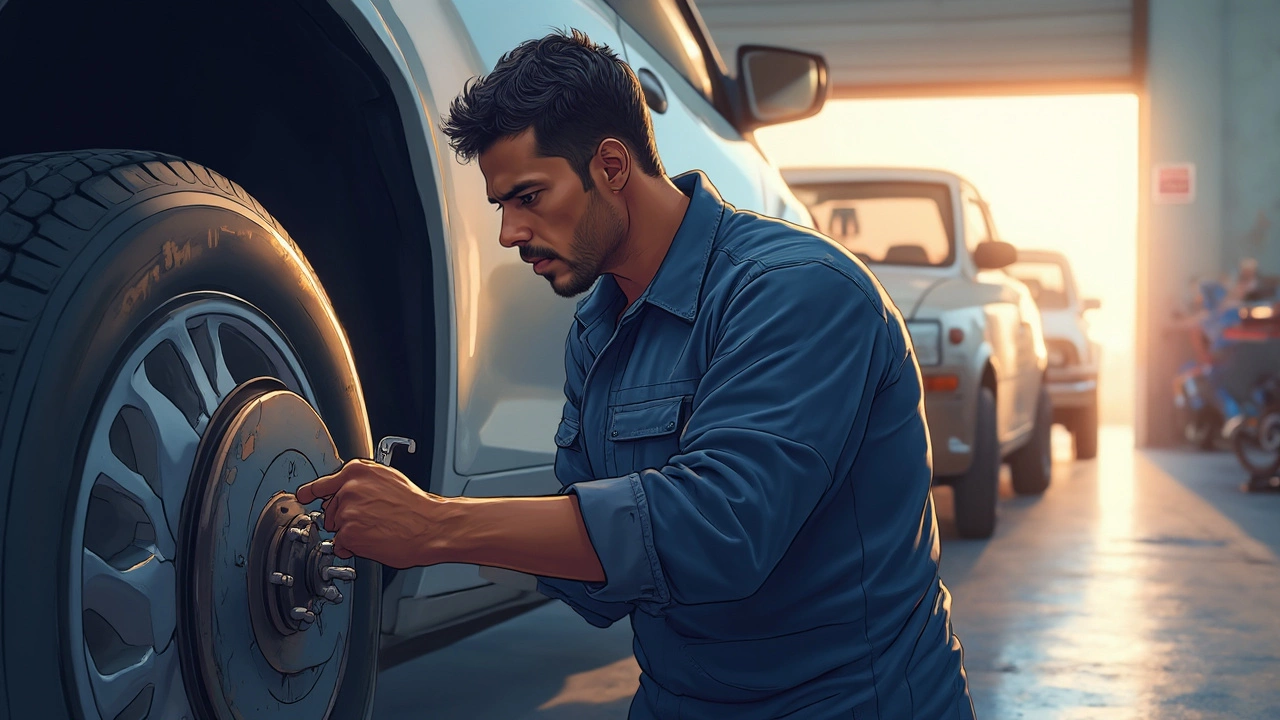
How Long Do Rotors Last? Real-Life Answers and Tips
Wondering how long rotors actually last? This article breaks down what affects rotor lifespan, how to spot when they’re worn out, and how you can make them go the distance. You’ll learn signs of problems and get real-world examples so you can keep your brakes in top shape. Plus, there are some easy maintenance tips that you can actually use. No fluff—just facts and practical advice.
- Recent
- Popular