Rubber in Cars: What It Does and Why It Matters
When you think of rubber, a flexible, elastic material used in everything from tires to engine mounts. Also known as elastomer, it's the silent hero that absorbs shocks, reduces noise, and keeps your car connected to the road. Without rubber, your ride would be rough, loud, and dangerous. It’s not just what your tires are made of—it’s in your brake pads, suspension bushings, clutch components, and even the seals around your doors. This one material holds together the way your car feels, handles, and stops.
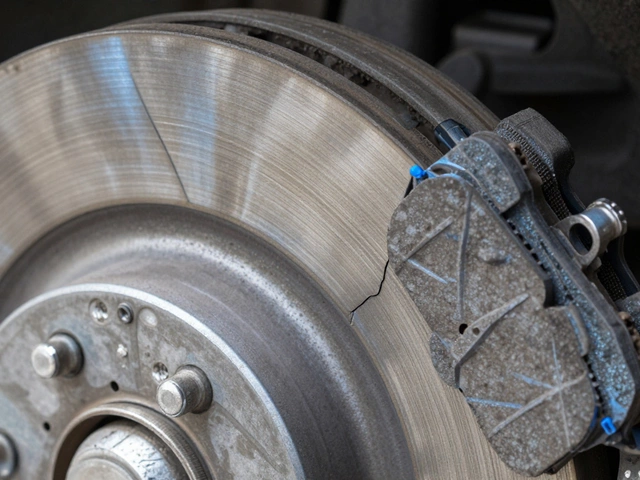
Rubber is the bridge between metal parts that shouldn’t touch. Your suspension, the system that smooths out bumps and keeps tires on the road relies on rubber bushings to stop metal from clanging against metal. When those bushings crack or harden, you hear clunks over speed bumps. Your brake pads, the friction material that slows your wheels use rubber backing plates to dampen vibrations and prevent squealing. Even your clutch, the component that connects and disconnects engine power from the transmission has rubber dampeners inside the pressure plate to make gear changes smoother. These aren’t fancy parts—they’re simple, cheap, and easily ignored. But when they fail, everything else starts to break down.
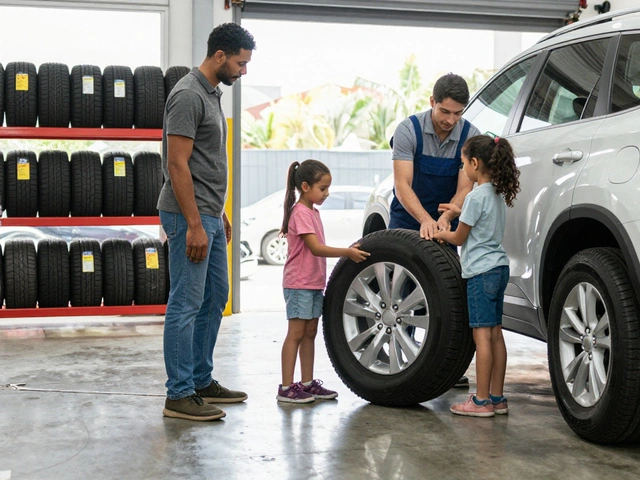
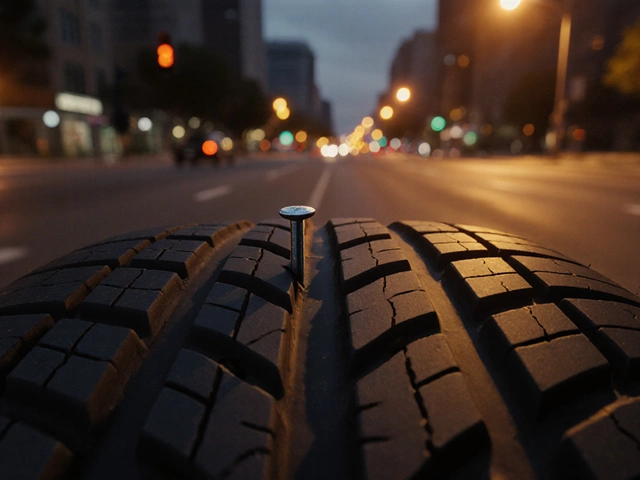
Most people don’t think about rubber until something starts making noise or feels loose. A worn rubber mount can make your steering feel vague. Hardened brake pad backing can turn a quiet stop into a screech. A cracked tire sidewall isn’t just a flat—it’s a safety risk waiting to happen. Rubber doesn’t last forever. Sun, heat, oil, and time all eat away at it. That’s why checking rubber parts isn’t just maintenance—it’s prevention. You don’t need to replace everything at once, but knowing where rubber lives in your car helps you spot trouble early. Below, you’ll find real-world guides on what happens when rubber fails: from bad suspension noises to worn brake pads, clutch issues, and tire problems. These aren’t theory pages—they’re fixes you can understand, even if you’ve never opened your hood.
-
25 Feb
- Recent
- Popular