Signs of Worn Alloy Wheels: What to Look For and Why It Matters
When your alloy wheels, lightweight, high-strength wheels made from aluminum or magnesium alloys, commonly used for style and performance on modern cars. Also known as alloy rims, they improve handling and reduce unsprung weight—but they’re not indestructible. Even small impacts from potholes, curbs, or rough roads can cause hidden damage that grows over time. Unlike steel wheels, alloys crack instead of bend, and once they’re damaged, they rarely recover. Ignoring early signs doesn’t just hurt your car’s looks—it puts your tires, suspension, and safety at risk.
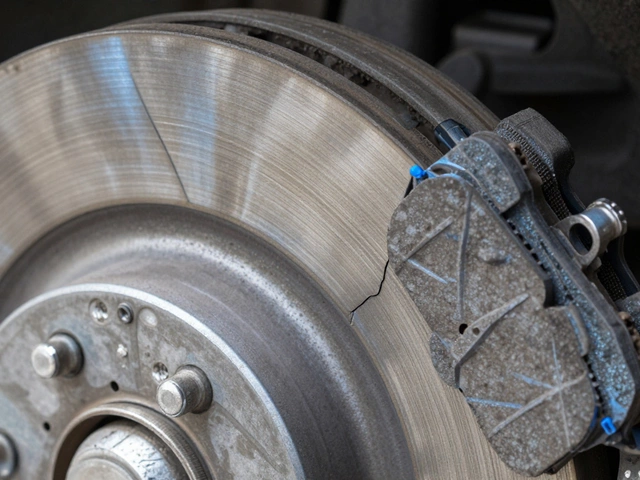
One of the first clues is vibration, a shaking or wobbling felt through the steering wheel or floorboard, often caused by uneven wheel balance or structural damage. If you feel it more at highway speeds, it’s not your tires—it’s your wheels. Another red flag is uneven tire wear, a pattern of cupping, scalloping, or one-sided wear that points to misalignment from a bent or warped wheel. You might also see air leaks, slow tire deflation without visible punctures, often due to cracks in the wheel’s bead seat or rim edge. And don’t forget visual damage: hairline cracks near the spokes, deep scratches that go past the finish, or visible bends that make the wheel look twisted.
These aren’t just cosmetic issues. A damaged alloy wheel throws off your wheel alignment, the precise angle of wheels relative to the road and each other, critical for tire life and straight-line driving, which leads to faster tire replacement and poor fuel economy. It also stresses your suspension, the system that absorbs road shocks and keeps tires in contact with the surface, causing shocks, struts, and control arms to wear out sooner. And if you keep driving on a cracked wheel, it can fail suddenly—especially at high speeds—leading to a blowout or loss of control.
You don’t need a mechanic to spot these signs. Check your wheels monthly: look for cracks under good light, run your fingers along the rim edge for dents, and pay attention to how your car handles. If your steering pulls to one side, or if you hear a rhythmic thumping when you drive, stop and inspect. Many people wait until the tire goes flat before they check the wheel—but by then, the damage is often worse than it looks.
The posts below give you real-world examples of what worn alloy wheels look like, how they connect to other problems like suspension noise or tire wear, and what you can do—whether you’re fixing it yourself or deciding if it’s time to replace them. You’ll find advice on spotting damage before it costs you hundreds, how to avoid common mistakes, and when to walk away from a repair and get new wheels. This isn’t about fancy upgrades. It’s about keeping your car safe, saving money, and avoiding surprises on the road.
-
6 Jul
- Recent
- Popular
-
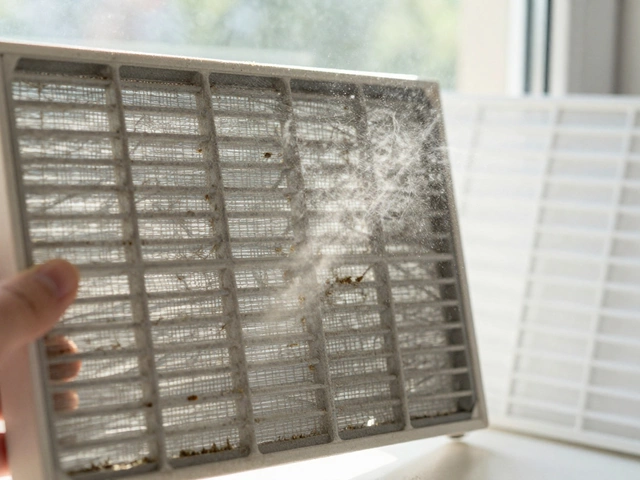 How Do I Know If My AC Needs a Filter?
Feb 10 2026
How Do I Know If My AC Needs a Filter?
Feb 10 2026
-
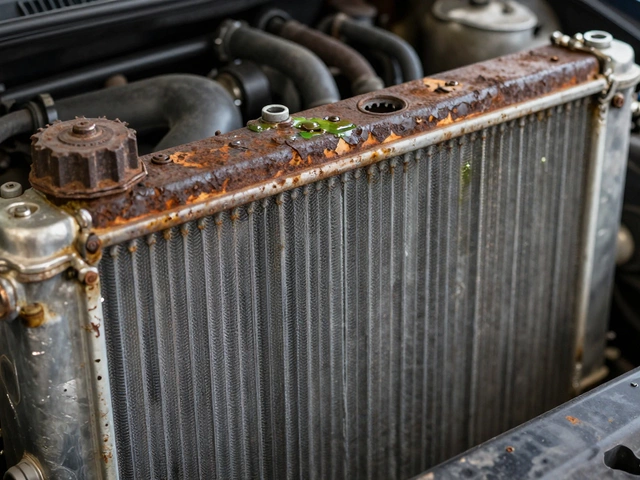
 Best Repair Solutions for a Cracked Radiator
Feb 3 2025
Best Repair Solutions for a Cracked Radiator
Feb 3 2025
-
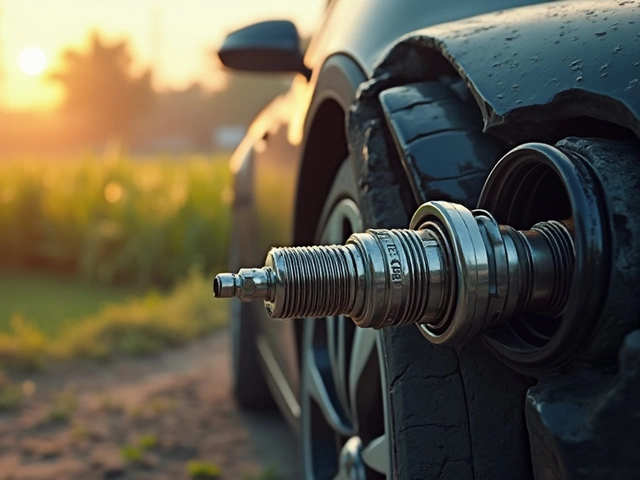 Do Spark Plugs Affect Your Car's Exhaust?
Mar 31 2025
Do Spark Plugs Affect Your Car's Exhaust?
Mar 31 2025