Spark Plug Wear: Signs, Causes, and What to Do Next
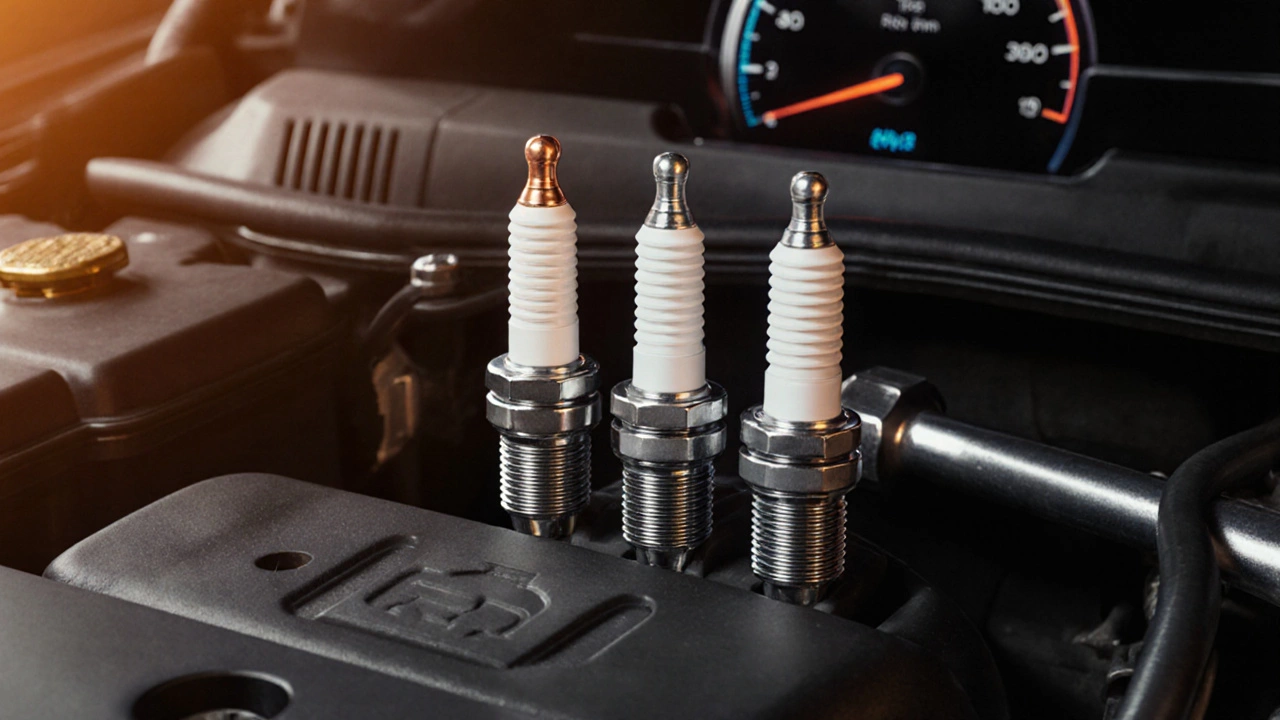
When your spark plug wear, the gradual breakdown of the electrode and insulator in a spark plug that reduces its ability to ignite fuel efficiently. Also known as spark plug degradation, it’s one of the quietest killers of engine performance—often ignored until your car starts misfiring or refuses to start. Most people think spark plugs last forever, but they’re consumable parts, not lifetime components. Even the best ones degrade over time, especially in Indian driving conditions where stop-and-go traffic, poor fuel quality, and extreme heat speed up the process.
Spark plug wear doesn’t happen overnight. It’s a slow leak in your engine’s efficiency. As the electrodes erode, the gap between them widens. That means the spark has to jump farther, which takes more voltage. Your ignition system works harder, your fuel burns less completely, and your engine starts to run rough. You might notice hesitation when accelerating, a drop in mileage, or a check engine light that comes and goes. These aren’t just "normal" symptoms—they’re red flags from your ignition system, the system responsible for generating and delivering the spark that ignites the air-fuel mixture in the engine cylinders. If your spark plugs are worn, the whole system is under stress. And if you keep driving, you risk damaging your catalytic converter, which can cost thousands to replace.
What causes this wear? It’s not just mileage. Driving short distances often means your engine never reaches full operating temperature, so carbon builds up. Low-quality fuel leaves behind deposits that coat the electrodes. And if your engine is burning oil (maybe from worn valve seals), that gunk sticks to the spark plug like tar. Even the type of plug matters—copper plugs wear faster than iridium or platinum, but they’re cheaper. Most manufacturers say spark plugs last 40,000 to 100,000 miles, but that’s under ideal conditions. In real life, especially in India, 60,000 miles is a safe upper limit for most cars.
You don’t need a diagnostic tool to spot bad spark plugs. Listen for a rhythmic misfire—like your engine is hiccupping. Feel for vibration when idling. Smell fuel when you’re parked—unburned gas means the spark isn’t doing its job. And if you’ve gone more than two years without checking them, it’s time. Replacing them isn’t rocket science, but it’s easy to mess up if you don’t know the torque specs or mix up the wires. The good news? You can often do it yourself with a socket, a torque wrench, and 90 minutes. The better news? Doing it early saves you money on fuel, prevents bigger repairs, and keeps your car running smooth.
Below, you’ll find real-world guides on how to spot spark plug wear before it ruins your day, what replacement intervals actually mean for your car, and how other engine problems—like bad fuel pumps or dirty oil—can make spark plug wear worse. No fluff. Just what you need to know to keep your engine firing right.
-
10 Oct
- Recent
- Popular