Steel Rims: What They Are, How They Work, and Why They Matter for Your Car
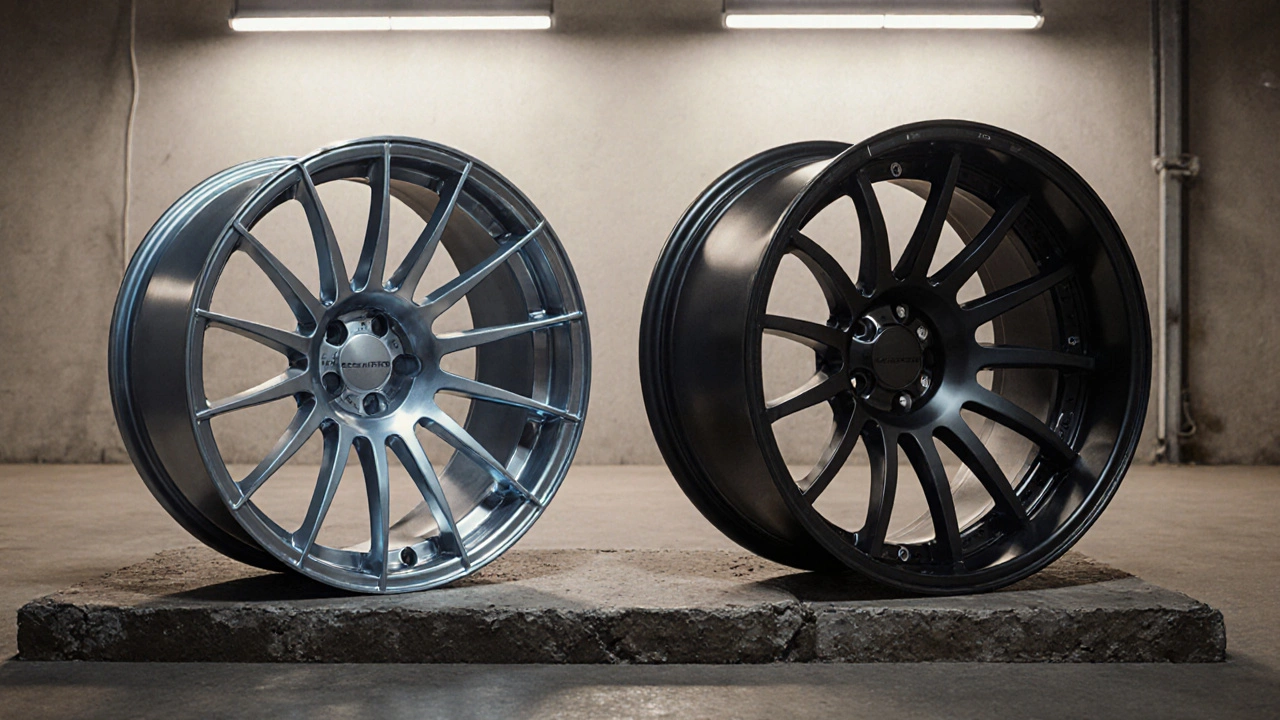
When you think of car wheels, you might picture shiny alloy rims—but for most drivers in India, steel rims, a durable, cost-effective wheel type made from stamped or forged steel, commonly used on economy and commercial vehicles. Also known as wheels, they’re the unsung heroes that keep your tires rolling over potholes, gravel, and broken roads without breaking the bank. Unlike flashy alloys, steel rims don’t look glamorous, but they’re built to take punishment. They’re heavier, which helps absorb impacts, and easier to repair if bent or cracked. Most taxis, trucks, and budget sedans in India run on steel rims because they’re cheap to replace, widely available, and tough enough for Indian road conditions.
Steel rims relate directly to tire compatibility, how well a tire fits and seals onto a wheel, affecting air retention, handling, and safety. Not all tires work the same on every rim—steel rims have a specific bead seat design that ensures a tight seal. If you’re replacing a flat tire, you need to know if your steel rim is still safe to reuse. A bent rim can cause slow leaks, uneven wear, or even blowouts. That’s why many of the posts here cover signs of wheel damage, suspension problems, and brake wear—all connected to how your wheels interact with the rest of the car. Alloy wheels, lighter, more decorative wheels made from aluminum or magnesium alloys, often used for performance or style. are popular in cities, but they crack easily on bad roads. Steel rims don’t crack—they bend. And a bent steel rim can often be hammered back into shape by a local mechanic for under ₹500. That’s something you can’t say about most alloys.
It’s not just about durability. Steel rims affect your ride, your fuel economy, and even your brake life. Heavier rims mean more rotating mass, which can slightly reduce acceleration and increase stopping distance. But they also help stabilize the vehicle on rough surfaces, making them ideal for overloaded vehicles or long-haul trucks. Many drivers don’t realize that worn suspension or bad shocks—topics covered in several posts here—can accelerate rim damage. If your shocks are gone, every bump hits the rim harder. And if your brake pads are worn, uneven braking can warp the rim over time. You can’t fix a bad rim with a new tire. You need to fix the root problem.
What you’ll find below are real-world guides on what happens when your wheels, suspension, or brakes fail. You’ll learn how to spot damage before it turns into a breakdown. You’ll see how steel rims interact with tire pressure, brake systems, and suspension parts. You won’t find fluff about luxury upgrades. Just straight talk on what keeps your car moving safely on Indian roads—day after day, pothole after pothole.
-
12 Oct
- Recent
- Popular