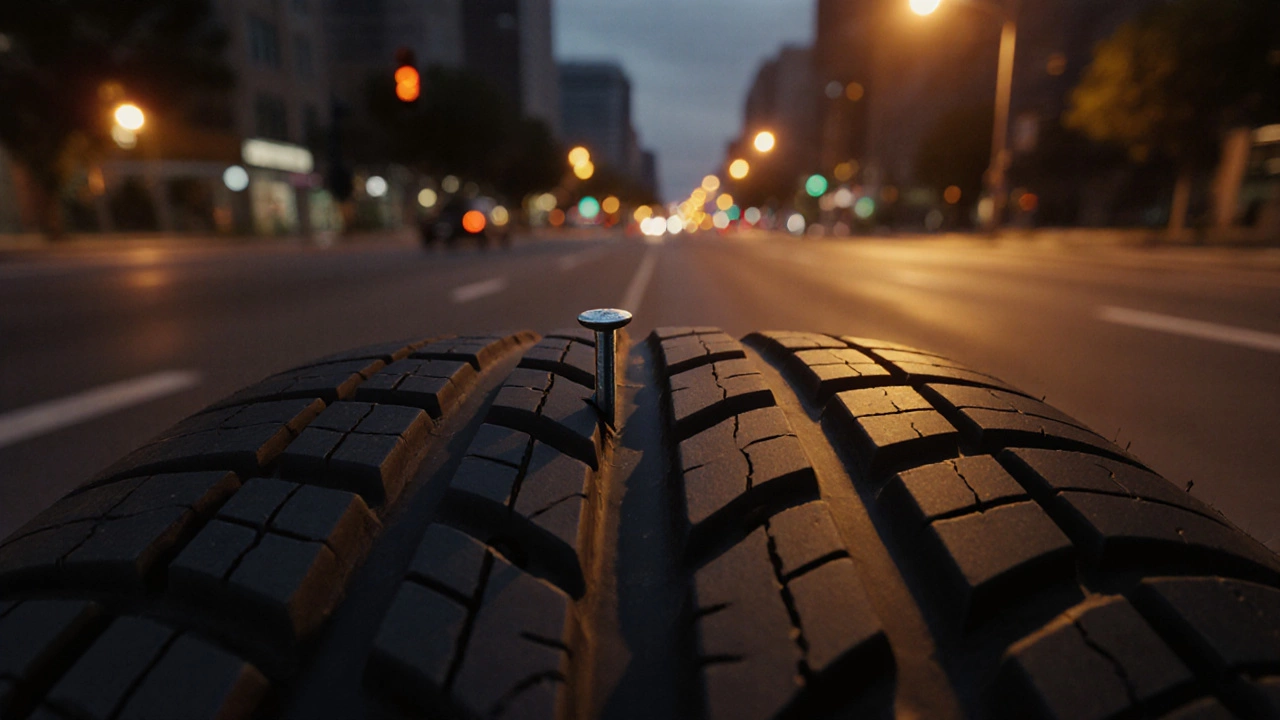
Tire Safety: What You Need to Know to Avoid Accidents and Save Money
When it comes to tire safety, the condition of your tires directly impacts how well your car stops, handles, and responds in emergencies. Also known as vehicle tire health, it’s not just about tread depth—it’s about the whole system working together: brakes, suspension, alignment, and pressure. A single worn tire can turn a quick stop into a skid, or a smooth turn into a rollover. In India, where roads range from smooth highways to pothole-filled streets, tire safety isn’t optional—it’s the difference between getting home and ending up in a hospital.
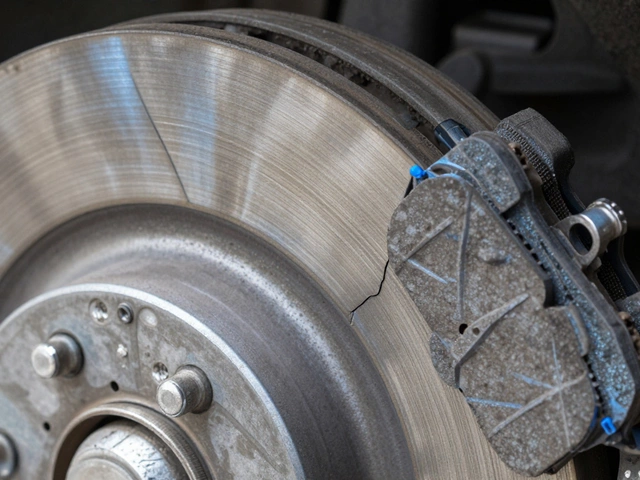
Brake pads, the parts that clamp down on your rotors to slow your car, wear out faster if your tires aren’t gripping properly. If your tires are underinflated or bald, your brakes have to work harder, which means they heat up, fade, and wear out sooner. Similarly, suspension, the system that keeps your tires in contact with the road, doesn’t just make your ride comfortable—it keeps your tires flat on the ground during turns, braking, and bumps. Bad shocks or broken struts mean your tires bounce instead of grip, which increases stopping distance and causes uneven wear. You can’t fix tire safety by just replacing tires—you have to fix the whole chain.
Tire pressure is another silent killer. Most drivers check it once a year—if at all. But a tire running 10 psi low can increase fuel use by 3%, wear out 30% faster, and overheat enough to blow out on the highway. And don’t assume all tires are the same. Solid tyres, often used in commercial vehicles or off-road setups, behave differently than standard rubber tires. They don’t go flat, but they transmit more vibration, which can stress your suspension faster. Knowing what kind of tires you have—and how they’re meant to perform—is part of tire safety.
Here’s what you’ll find in the posts below: real stories from drivers who ignored the signs—squealing brakes, wobbling steering, uneven tread—and paid the price. You’ll learn how to spot worn brake pads before they fail, why a bad suspension makes your tires wear out in weird patterns, and how to check your tire pressure without a gauge (yes, it’s possible). No fluff. No theory. Just what you need to know to keep your family safe and your wallet full.
-
19 Oct
- Recent
- Popular