Vehicle Safety: Essential Tips and Signs You Can't Ignore
When it comes to vehicle safety, the collective systems and practices that keep you and others protected while driving. Also known as road safety, it's not just about wearing a seatbelt—it's about understanding what’s failing under your car before it fails you. A broken suspension, worn brake pads, or a slipping clutch aren’t just repair bills—they’re ticking time bombs on the road.
Bad suspension, a condition where shocks, struts, or control arms lose their ability to absorb road impacts doesn’t just make your ride bumpy. It turns every pothole into a risk: longer stopping distances, shaky steering, and tires that wear out in weeks instead of years. If your car leans hard in turns or bounces like a trampoline over speed bumps, you’re already driving unsafely. The same goes for brake pads worn out, when friction material thins to the point of metal-on-metal contact. Squealing? Vibrating pedal? Longer stops? Those aren’t annoyances—they’re warnings your car can’t stop in time when you need it most.
Clutch wear, the gradual loss of grip between the clutch plate and flywheel due to friction and misuse might seem like a transmission issue, but it’s a safety one too. A slipping clutch means your engine revs without moving you forward—dangerous on highways, especially when merging or climbing hills. And if you’re ignoring a worn clutch because "it still works," you’re risking a sudden failure that leaves you stranded or unable to control speed.
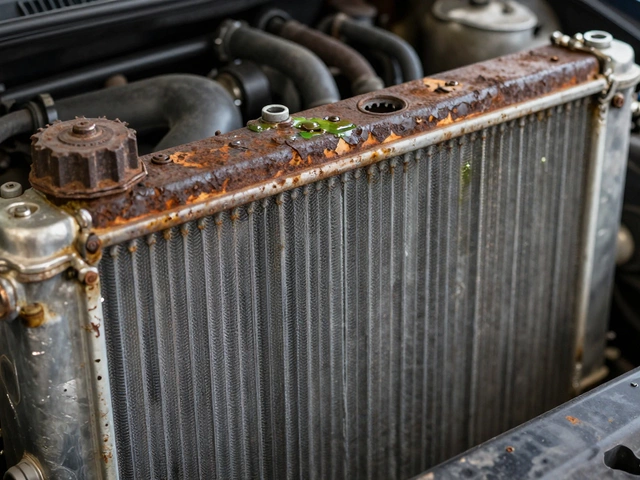
Even something as simple as a failing radiator replacement, the process of fixing or replacing the component that cools your engine can turn into a safety crisis. Overheating engines don’t just stall—they can catch fire or lock up while you’re driving. Modern cars, even electric ones, still rely on cooling systems. Ignoring coolant leaks or strange smells isn’t saving money—it’s gambling with your life.
Vehicle safety isn’t about expensive gadgets or flashy upgrades. It’s about paying attention to the small, quiet signs your car gives you before it screams. A noise you’ve learned to ignore. A vibration you think is normal. A delay in braking you’ve gotten used to. These aren’t quirks—they’re red flags. The posts below break down exactly what those signs mean, how to spot them early, and what to do next—whether you’re a DIYer or need a pro. No fluff. No guesses. Just clear, real-world advice that keeps you alive on the road.
-
10 Feb
- Recent
- Popular