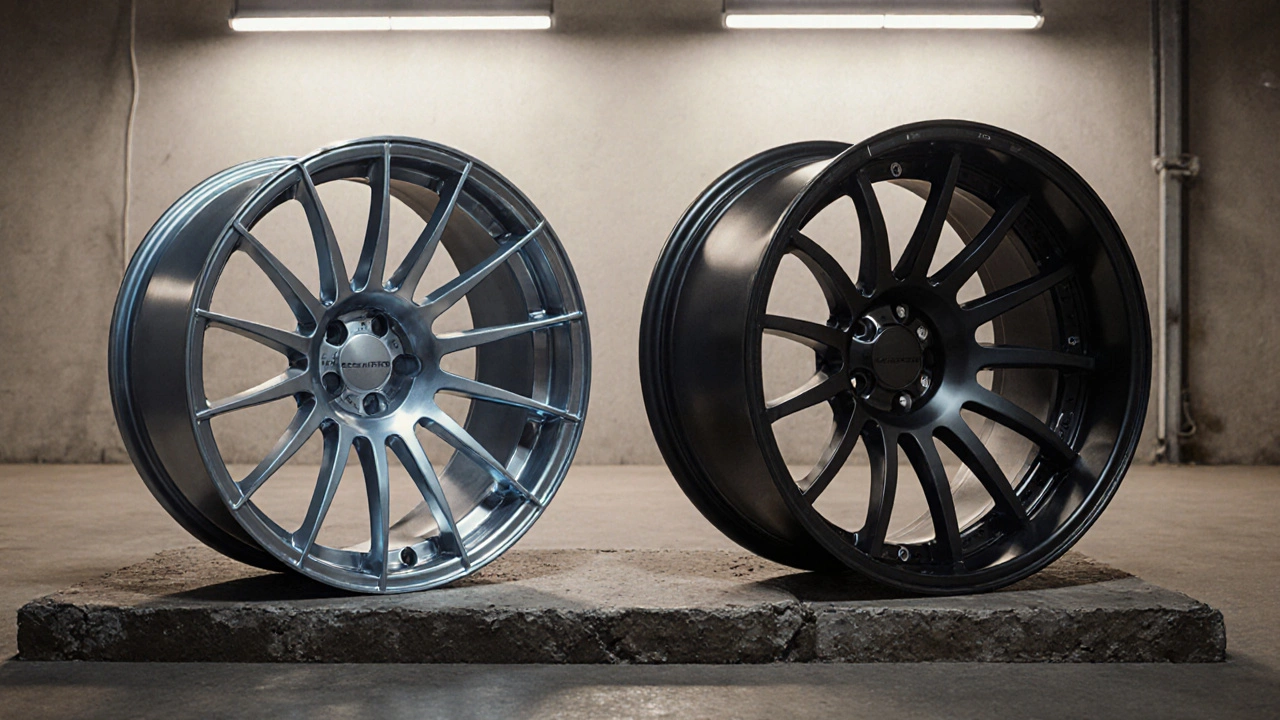
Wheel Weight: Why It Matters and What Happens When It's Off
When you see a tiny metal clip stuck to your rim, don’t ignore it—that’s a wheel weight, a small counterbalance used to correct uneven mass distribution in a tire and wheel assembly. Also known as tire balance weights, they’re not decorative. They’re essential for keeping your car driving straight, reducing vibration, and preventing premature tire wear. Without them, your wheels spin out of balance, and that tiny imbalance grows into big problems.
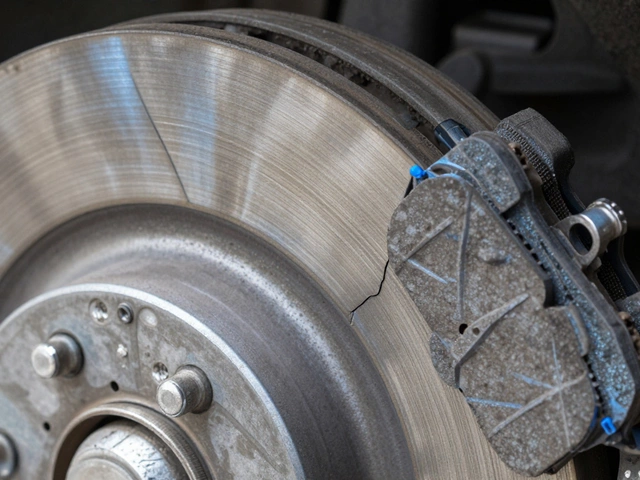
Unbalanced wheels don’t just make your steering wheel shake at highway speeds—they stress your suspension, the system that connects your wheels to the vehicle and absorbs road impacts, wear out your brake pads, the friction material that slows your car when you press the pedal, and even shorten the life of your tires. A single ounce out of balance can cause noticeable vibration. Over time, that vibration shakes loose bolts, damages bearings, and turns small repairs into expensive replacements. You might not notice it at first, but if your car pulls to one side, vibrates above 50 mph, or you hear a rhythmic thumping, it’s likely tied to missing or shifted wheel weights.
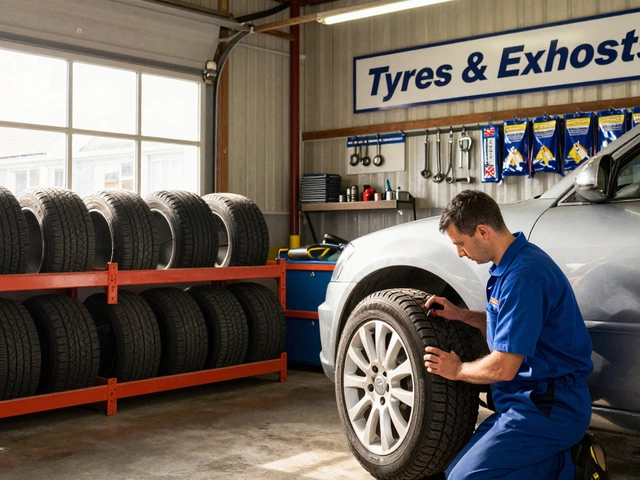
It’s not just about old-school lead weights anymore. Modern cars use clip-on, adhesive, or internal balance systems, but the principle stays the same: mass must be evenly distributed. A tire that’s been repaired after a puncture? It needs rebalancing. A new set of tires installed? They need weights added. Skipping this step is like driving with one foot on the brake—constant, silent strain on parts you didn’t even know were at risk.
What you’ll find below are real-world stories and fixes from drivers who ignored wheel weight issues until something broke. You’ll learn how to spot the signs, what mechanics miss during routine service, and why a $10 balance job can save you hundreds in suspension or brake repairs. This isn’t theory—it’s what happens when you drive with unbalanced wheels, and how to fix it before it costs you more than just time.
-
12 Oct
- Recent
- Popular