Worn Brake Pads: Signs, Risks, and What to Do Next
When your worn brake pads, thin or damaged friction material on your car's braking system that stops the vehicle by pressing against the rotors. Also known as brake pad wear, it's one of the most common but dangerous car problems you can ignore. They don’t just squeal—they silently steal your safety. Every time you press the brake, these pads crush against the rotor. Over time, they wear down. And when they’re gone, metal hits metal. That’s not just a grinding noise—it’s the sound of your brake system failing.
Worn brake pads don’t just affect stopping power. They damage your rotors, increase your stopping distance, and can even cause your car to pull to one side. You might notice a high-pitched squeal when braking—that’s the wear indicator, a tiny metal tab designed to scream at you. Or maybe your brake pedal feels spongy, or your car takes longer to stop. These aren’t minor annoyances. They’re red flags. And if you’ve ever heard a grinding sound, you’re already past the point where just replacing the pads is enough. The rotors are likely ruined too.
Brake pads wear out faster if you drive in cities, brake hard often, or carry heavy loads. In India, with its mix of city traffic and highway speeds, brake pads on many cars wear out between 30,000 and 50,000 kilometers. But that’s not a rule—it’s a guess. Your driving style matters more than your mileage. Aggressive braking? You’ll need new pads sooner. Gentle, predictive driving? They’ll last longer.
It’s not just about the pads. When they wear out, the calipers, rotors, and even the brake fluid can suffer. A bad rotor can cost twice as much to fix as a simple pad replacement. And if you delay too long, you risk total brake failure. That’s not a theory—it’s a fact backed by accident reports from Indian road safety agencies.
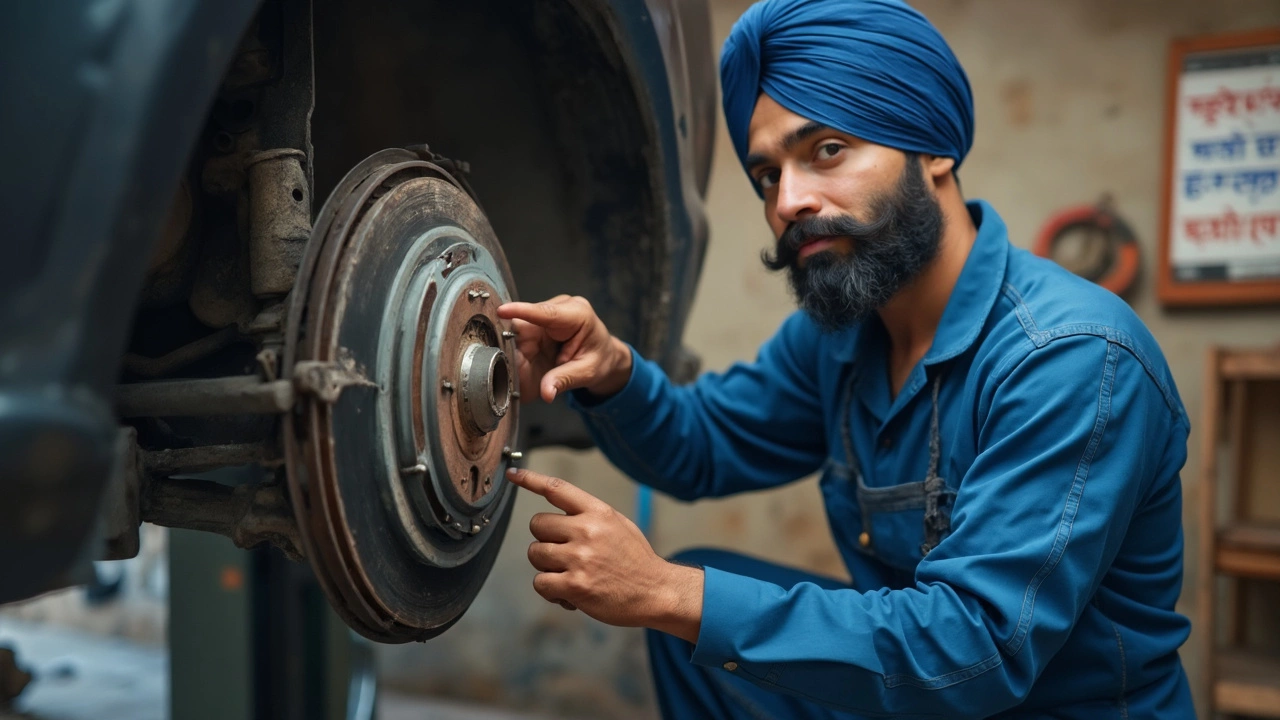
You don’t need to be a mechanic to spot worn brake pads. Look at them through your wheel spokes. If the friction material is less than 3mm thick, replace them now. Listen for that squeal. Feel for vibration. Watch for warning lights. These aren’t tricks—they’re basic checks anyone can do in five minutes.
What you’ll find below are real, practical guides from people who’ve been there. From how to tell if your pads are worn out, to what the real cost of replacement is in 2025, to why ignoring brake noise leads to bigger bills. You’ll see how other drivers in India handled the same problem, what parts they chose, and what they wish they’d known sooner. No fluff. No sales pitches. Just what works.
Don’t wait for the grinding to start. By the time you hear it, you’ve already paid more than you needed to. The fix is simple—if you act now.
-
3 Jun
- Recent
- Popular