Radiators: What They Do, When They Fail, and How to Save Your Engine
When your engine runs hot, the radiator, a key part of the engine cooling system that transfers heat away from the engine using coolant. Also known as a heat exchanger, it’s not just a relic—it’s still the backbone of cooling in gas and electric cars alike. Even if your car doesn’t have a traditional tank-and-tube setup, something is still pulling heat out of the engine. Modern radiators are smaller, smarter, and more critical than ever. Ignore them, and you’re not just risking a breakdown—you’re risking a $5,000 engine repair.
The engine cooling system, the network of parts including the radiator, water pump, thermostat, and coolant that regulate engine temperature doesn’t work in isolation. A failing radiator, a metal component that cools circulating engine fluid by exposing it to airflow can cause the water pump to overwork, the thermostat to stick, or the coolant to break down. That’s why a strange noise—like a gurgle or hiss—could be your radiator talking. And if your AC isn’t blowing cold, even with the fan on full, it might not be the freon. It could be the radiator struggling to handle heat from both the engine and the cabin.
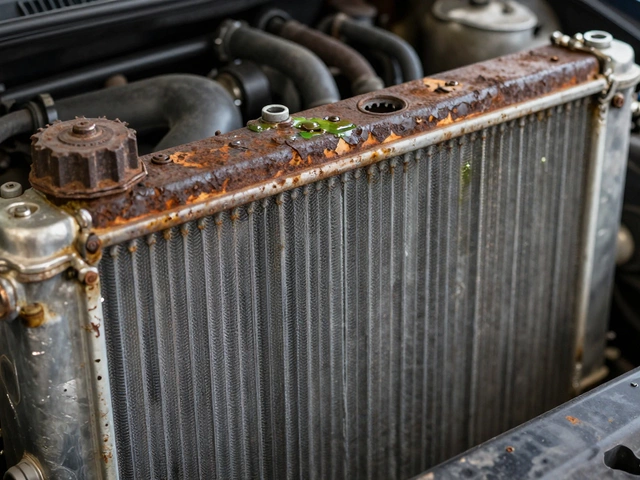
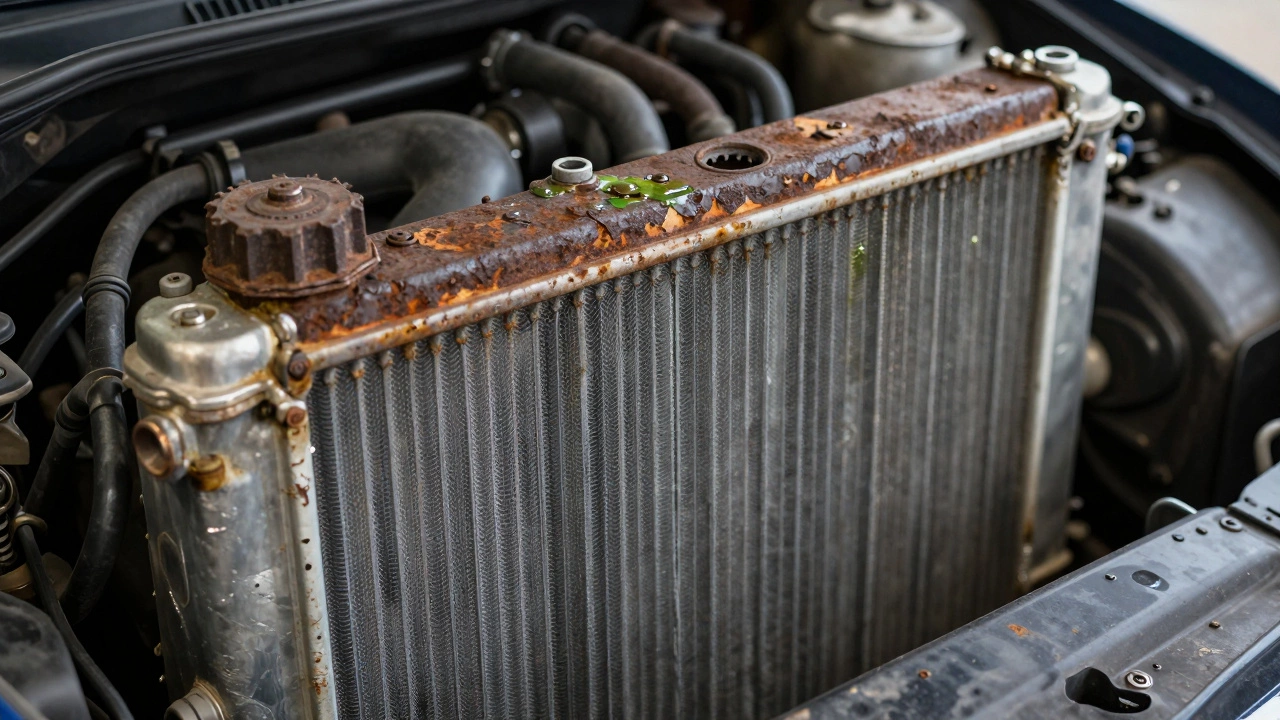
Most radiators last 8 to 10 years, but that’s if you change the coolant on time and don’t drive in extreme heat or dusty conditions. Rust, cracks, and leaks don’t show up overnight. They creep in from the inside out. A small crack might start as a tiny drip you ignore. A bad hose connection might look like a loose clamp. But if you keep driving, that drip becomes a flood—and your engine becomes a paperweight. Replacing a radiator isn’t always the answer. Sometimes a sealant fixes a minor leak. Sometimes you just need a flush. But if your radiator’s plastic tanks are brittle or the core is clogged, no repair will last. You’ll need a new one.
Electric cars don’t have big engines, but they still need cooling. Their radiators manage heat from the battery and motor, not just the powertrain. And if that system fails? Range drops fast. Charging slows down. The car might even shut off. So yes—electric vehicles still have radiators. They just look different. And they’re just as vital.
Below, you’ll find real answers about when to replace your radiator, what sounds mean trouble, whether you can drive with a bad one, and how to spot problems before they cost you thousands. No fluff. No guesses. Just what actually happens when your cooling system starts to fail—and what to do about it.
-
6 Mar
-
6 Feb
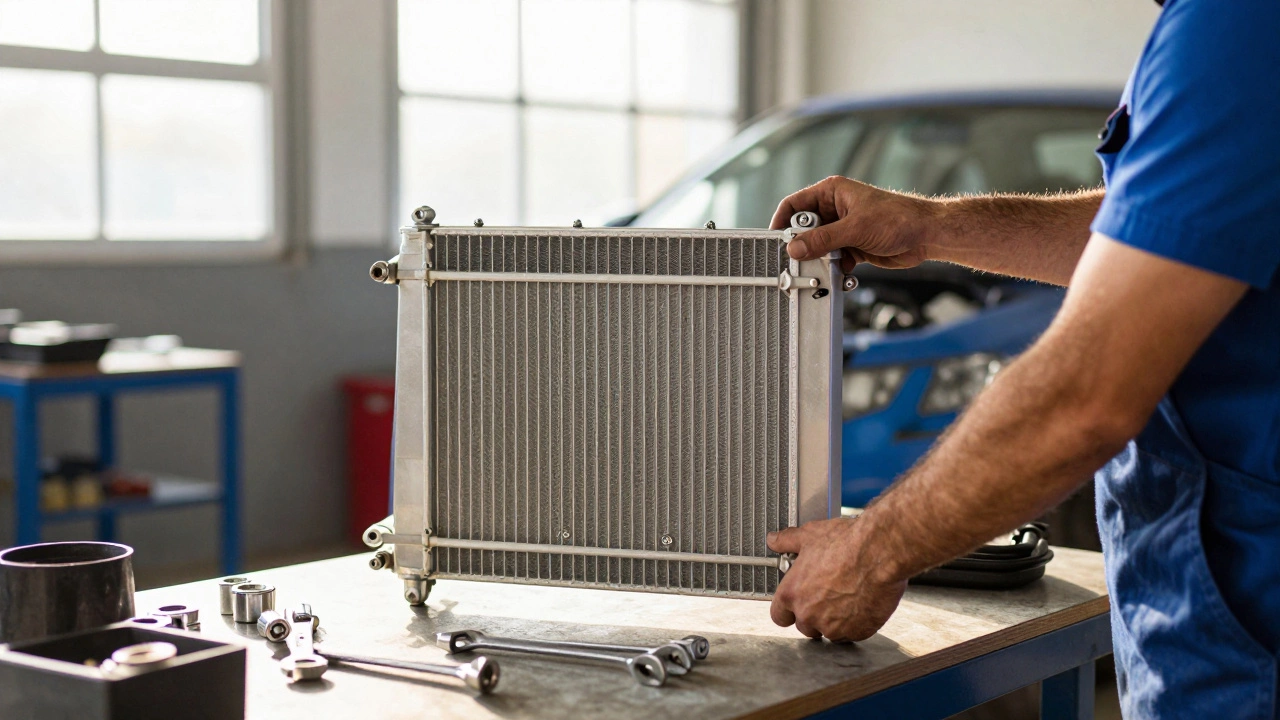
Car Radiator Replacement Costs: What You Need to Know in 2026
Discover the real costs of replacing a car radiator in the UK. Learn factors affecting prices, average costs by car type, repair vs replacement options, and tips to save money. Avoid costly engine damage with simple maintenance steps. -
20 Nov
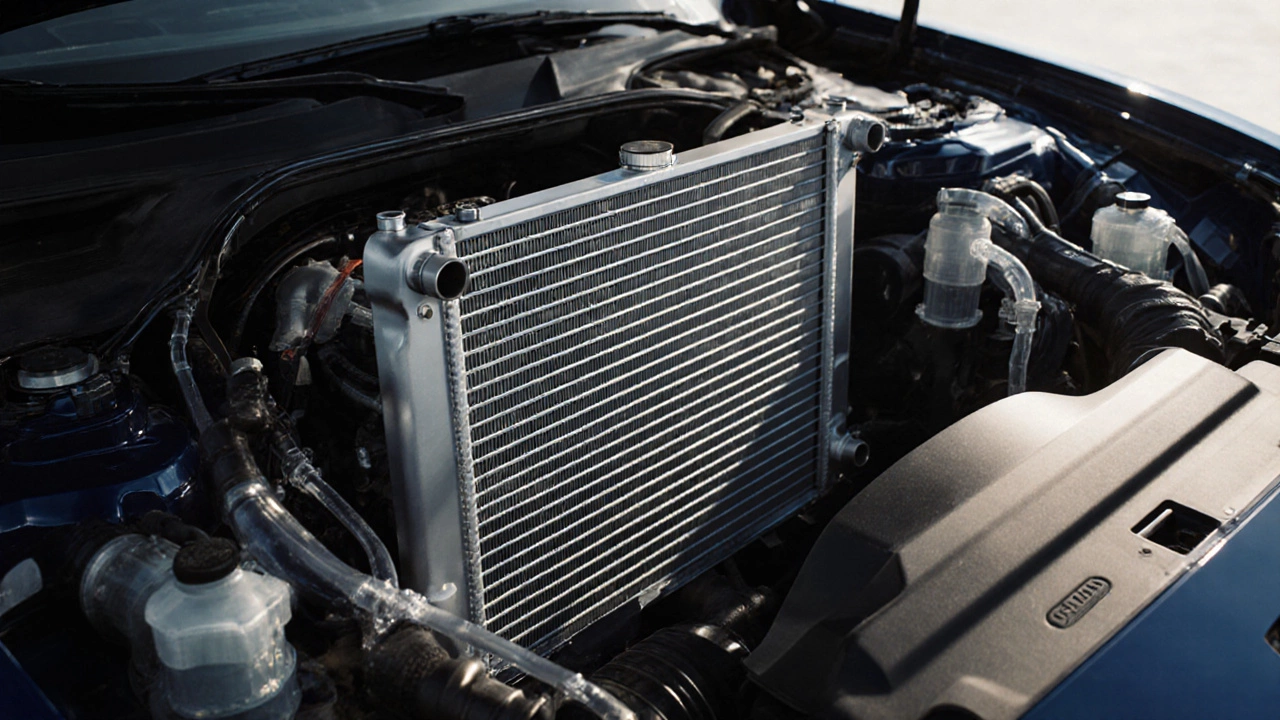
Do Cars Have Radiators Anymore? The Truth About Modern Cooling Systems
Cars still have radiators-even electric ones. Modern designs are smaller and smarter, but cooling is more critical than ever. Learn how radiators work today and why ignoring them can cost thousands. -
26 Oct

Why Car Radiators Are Becoming Obsolete
Explore why traditional car radiators are fading out, how EVs use heat pumps and electric cooling, and what it means for owners and mechanics. -
8 Oct
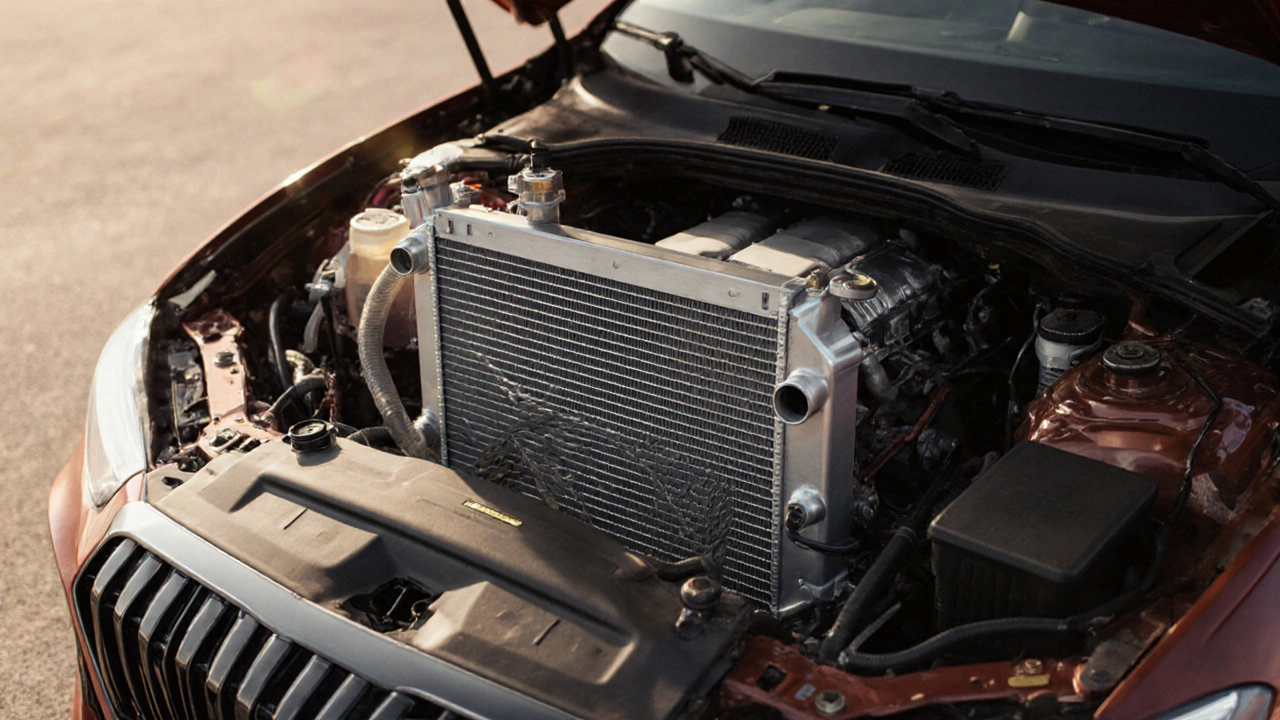
Car Radiator Replacement Frequency - How Often Should You Replace a Radiator?
Learn how often car radiators should be replaced, signs of failure, typical lifespan, costs, and maintenance tips to extend their life. -
23 Jun

Car Radiators: Is Replacing Your Old Radiator Worth It?
Thinking about replacing your car’s radiator? This article breaks down when it’s worth swapping out your old radiator and when you might be better off with a repair. Learn what signs mean it’s time for a new one, what problems a failing radiator can cause, and get real-life tips for making the right call. We bust some common myths and give you a peek at what happens if you ignore radiator issues too long. Get ready for some straightforward answers and practical advice. -
8 Jun

What Sound Does a Bad Radiator Make? Spot the Clues Early
Curious if your car's radiator is in trouble? This guide breaks down the tell-tale sounds a bad radiator makes and what they could mean for your ride. You'll find out what signs to watch (and listen) for, why they matter, and when it's time to take action. Learn how to spot radiator trouble before it leads to a breakdown. Save yourself the hassle (and cash) by staying ahead of radiator problems. -
29 Apr

Can I Drive My Car With a Bad Radiator? Real Risks and Quick Fixes
Driving with a bad radiator is asking for trouble, but lots of folks wonder if they can just power through. This article breaks down exactly what happens if you ignore radiator problems and keep driving. You'll get practical tips on spotting trouble early, what to do if you're stuck, and how to avoid a blown engine. Real-life examples bring the risks home. You’ll end up knowing if it’s ever worth gambling with a bad radiator—or when to just stop and call for help. -
7 Apr

How to Know if Your Car's AC Freon is Running Low?
Feeling the heat inside your car, even with the AC on full blast? It might be time to check the freon levels. Many people underestimate the importance of freon in the air conditioning system, but without it, you might as well call it a fan. Learn how to spot the telltale signs of low freon, understand why it's crucial for your AC, and find some handy tips on maintaining the cool breeze inside your vehicle. -
10 Mar

Understanding Car Radiators: The Heartbeat of Your Cooling System
Car radiators are vital for keeping your engine cool. They work by transferring heat away from the engine with the help of coolant. Knowing how radiators function can help you spot problems early, saving you time and money. This article covers what radiators do, tips on maintenance, and how to know when they need attention. -
17 Feb

Decoding the Lifespan of Your Car Radiator
The life expectancy of a car radiator often feels like a blend of science and chance. While typically lasting between 8 to 10 years, various factors such as driving habits and climate can drastically affect this range. Regular maintenance plays a crucial role in keeping radiators efficient and long-lasting. This article delves into the facts you need to know about car radiators, offering tips to extend their life and save you money in the long run. Whether you're a seasoned driver or a newcomer to car maintenance, understanding your radiator's lifespan can keep your vehicle running smoothly. -
3 Feb

Best Repair Solutions for a Cracked Radiator
Dealing with a cracked radiator can be a daunting task for any vehicle owner. This article delves into efficient and reliable repair solutions to tackle a cracked radiator, helping you get back on the road swiftly and safely. From temporary fixes using sealants to long-term solutions like replacing the radiator, learn about the best practices and tips to ensure your car's cooling system runs smoothly.
- Recent
- Popular