Spark Plug Lifespan Estimator
Select your spark plug type and driving conditions to estimate the recommended replacement interval.
Estimated Replacement Mileage
You’re cruising down the M5, and suddenly your engine starts to stumble. Is it the fuel? The air filter? Or is it those small, unassuming components deep inside your cylinders: spark plugs electrical devices that deliver current from the ignition system to the combustion chamber of a spark-ignition engine to ignite the compressed fuel/air mixture by an electric spark? It’s a question every driver asks eventually: how long can you actually push them before things go wrong?
The short answer is "it depends," but the real answer lies in understanding what kind of plugs you have and how hard you’re pushing your engine. Ignoring this component doesn’t just risk a rough idle; it can lead to catastrophic damage like cracked pistons or fried catalytic converters. Let’s break down exactly when you need to swap them out, why it matters, and how to spot the warning signs before you’re stranded on the shoulder.
The Lifespan Myth vs. Reality
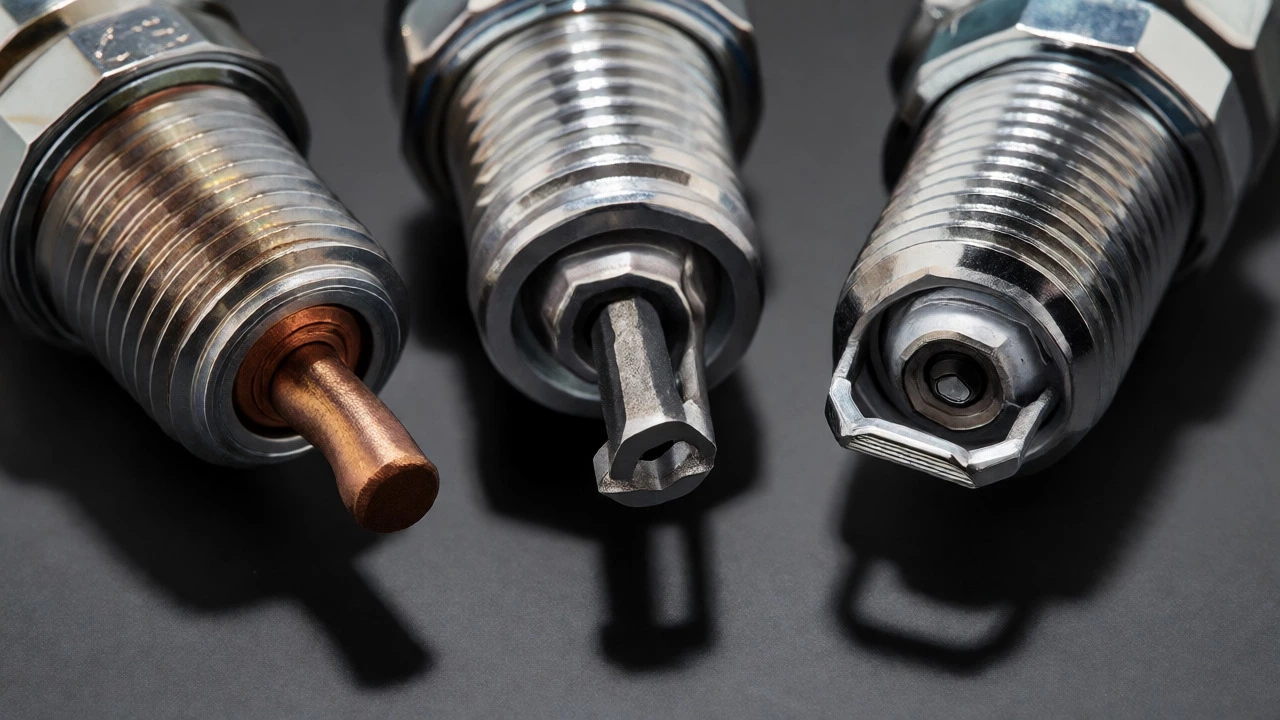
For decades, mechanics told drivers to change spark plugs every 30,000 miles. That rule was solid when everyone used basic copper-core plugs. Today, technology has shifted dramatically. If you drive a modern car with iridium-tipped spark plugs high-performance spark plugs featuring a fine-wire iridium center electrode for superior durability and ignition efficiency, you might be good for 100,000 miles or more. Platinum plugs sit somewhere in the middle, often lasting up to 60,000 miles.
Why the difference? It comes down to melting points and erosion resistance. Copper erodes quickly under the intense heat of combustion chambers, which can exceed 2,500°F (1,370°C). Iridium, however, has a much higher melting point and resists corrosion better, allowing the gap between electrodes to stay consistent longer. A consistent gap means a stronger, more reliable spark. When that gap widens due to wear, your engine works harder to jump the distance, leading to misfires.
| Plug Type | Typical Lifespan (Miles) | Lifespan (Years)* | Best For |
|---|---|---|---|
| Copper Core | 30,000 - 40,000 | 3 - 5 | Older vehicles, high-performance tuning |
| Single Platinum | 50,000 - 60,000 | 5 - 7 | Standard daily drivers |
| Double Platinum | 80,000 - 100,000 | 7 - 10 | Vehicles with distributor-less ignition |
| Iridium / Ruthenium | 100,000+ | 10+ | Modern turbocharged engines, luxury cars |
What Counts as "Severe" Driving?
Your owner’s manual likely lists two service intervals: one for "normal" use and one for "severe." Most people think severe means racing around Silverstone at 2 AM. It doesn’t. In automotive terms, severe driving includes stop-and-go city traffic, frequent short trips where the engine never fully warms up, towing heavy loads, or driving in dusty environments.
If you live in a dense urban area like Bristol or London, you’re probably falling into the severe category without realizing it. Short trips are particularly brutal on spark plugs. When the engine runs cold, it burns richer fuel mixtures. This excess fuel washes oil off cylinder walls and deposits carbon onto the plug tips. Carbon fouling insulates the electrode, making it harder for the spark to jump. If you do mostly short hops, cut your recommended replacement interval in half. A 100,000-mile iridium plug might only last 50,000 miles if you’re constantly idling in traffic.
Signs Your Plugs Are Dying
You don’t need a diagnostic scanner to know something is wrong. Your car will tell you, usually through poor performance. Here’s what to look for:
- Rough Idling: If your car shakes or vibrates while stopped at a red light, it’s often a sign that one or more cylinders aren’t firing correctly.
- Sluggish Acceleration: You press the gas pedal, but the car hesitates or lacks punch. This is because weak sparks fail to ignite the air-fuel mixture efficiently during high-load situations.
- Poor Fuel Economy: Incomplete combustion wastes fuel. If your miles-per-gallon drops noticeably, worn plugs could be the culprit.
- Engine Misfires: A flashing check engine light is the most urgent warning. A steady light means the system detected a fault, but a flashing light indicates an active misfire that can dump raw fuel into the exhaust, overheating the catalytic converter an emissions control device that converts toxic pollutants in exhaust gas to less toxic pollutants by catalyzing a redox reaction.
- Hard Starting: If the engine cranks but takes longer than usual to catch, the spark may be too weak to ignite the mixture reliably.
The Cost of Waiting Too Long
It’s tempting to skip plug changes because they seem minor. But neglecting them creates a domino effect. As the electrode wears down, the gap increases. To compensate, the ignition coil pumps out higher voltage. Eventually, the coil can’t keep up, or worse, it fails entirely. Replacing a coil pack costs significantly more than a set of plugs.
Even worse, extreme wear can cause the ceramic insulator to crack. If fragments fall into the cylinder, they can score the piston walls or get stuck in valves, requiring a major engine repair. Then there’s the risk of seizure. Over time, rust and carbon buildup can weld the metal threads of the plug to the aluminum head of the engine. Trying to remove a seized plug can snap it off inside the head, turning a £50 job into a £500+ extraction nightmare.
Turbocharged Engines: A Special Case
If you drive a modern turbocharged vehicle, pay extra attention. Turbo engines run hotter and under higher pressure than naturally aspirated ones. This places immense stress on the ignition system. Many manufacturers specify shorter intervals for turbos, sometimes as low as 40,000 miles, even for premium plugs. Always check your specific model’s requirements. Using the wrong heat range plug in a turbo engine can lead to pre-ignition (knocking), which destroys pistons rapidly.

DIY or Professional Service?
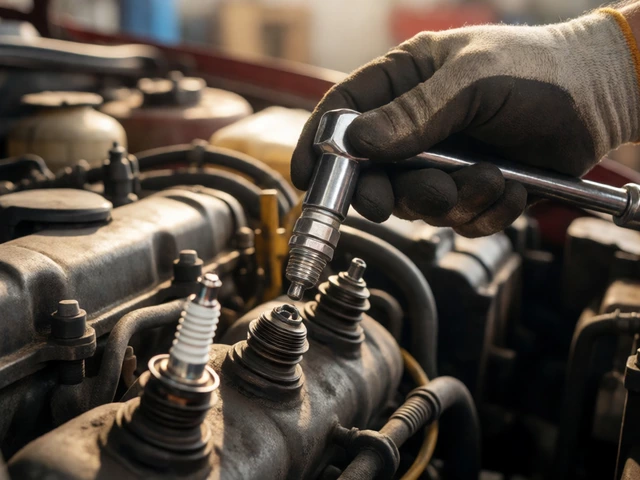
Changing spark plugs is one of the few maintenance tasks many owners tackle themselves. It saves labor costs and gives you insight into your engine’s health. However, torque specs matter. Over-tightening can strip the aluminum threads in the cylinder head. Under-tightening can allow heat transfer issues, causing the plug to blow out or seize.
If you’re not comfortable working with torque wrenches and dielectric grease, leave it to a pro. Ensure they use the exact OEM-specified plug type. Mixing brands or types (e.g., using platinum in some cylinders and iridium in others) causes uneven firing and vibration.
Final Verdict: When to Replace?
So, how long can you go? If you have copper plugs, stick to 30,000-40,000 miles. For platinum, aim for 60,000. Iridium can stretch to 100,000, but inspect them visually around 80,000. Don’t rely solely on mileage; watch for symptoms. If your car feels sluggish or idles roughly, check the plugs immediately. Regular inspection prevents expensive surprises.
Can I drive my car with bad spark plugs?
Yes, but it’s risky. You might manage short distances, but prolonged driving with bad plugs can cause engine misfires, damage the catalytic converter, and increase fuel consumption. If the check engine light is flashing, stop driving immediately to prevent severe engine damage.
How do I know if my spark plugs are copper, platinum, or iridium?
Check your owner’s manual or pull one plug out. Copper plugs have a thick, plain nickel alloy tip. Platinum plugs have a small platinum disc welded to the center electrode. Iridium plugs feature a very fine wire-like tip, often silver-grey in color, which is distinct from the thicker platinum pad.
Does replacing spark plugs improve horsepower?
Replacing old, worn plugs restores lost power rather than adding new horsepower. If your plugs were severely worn, you might feel a noticeable improvement in throttle response and smoothness, returning the engine to its original factory performance levels.
Should I replace all spark plugs at once?
Yes. Replacing only one or two can cause uneven engine performance because new plugs fire differently than old, worn ones. This imbalance can lead to vibration and put extra strain on the ignition coils. Always replace them in full sets.
What happens if I install the wrong spark plug?
Using a plug with the wrong heat range can cause overheating (pre-ignition) or fouling. Incorrect reach (length) can hit the piston or fail to spark properly. Wrong thread size can strip the head or fail to seal, causing compression loss.