Clutch Kit Value & Performance Estimator
Select your profile and click "Analyze Options" to see the estimated costs and benefits.
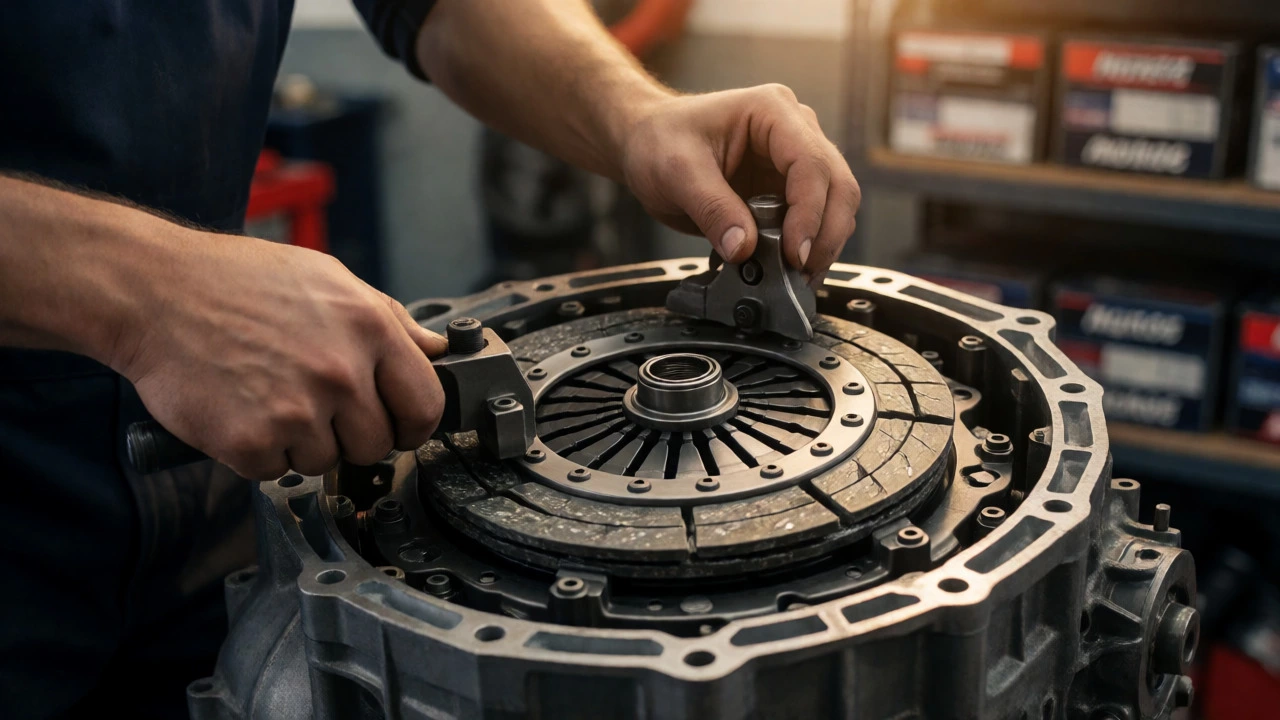
You’ve probably heard the debate in garage corners or online forums: "Just swap the part, it’s all the same." But when you’re staring at a quote for a clutch kit, a set of components including the pressure plate, clutch disc, and release bearing that transfers engine power to the transmission, the price gap between budget brands can be startling. Does spending more actually change how your car drives, or is it just marketing fluff?
The short answer is yes, but not always in the way you think. It’s rarely about raw horsepower gains unless you’re racing. Instead, the difference shows up in pedal feel, engagement smoothness, and long-term reliability. If you’ve ever driven a car with a slipping clutch versus one with a fresh, high-quality setup, you know the night-and-day contrast. Let’s break down exactly where those differences manifest and why choosing the right kit matters for your daily drive.
Pedal Feel and Engagement Smoothness
This is the first thing you’ll notice after a replacement. A cheap clutch disc often uses lower-grade friction materials that don’t grab consistently. You might experience what mechanics call "judder"-a shuddering sensation when engaging from a stop. It feels like the car is trying to buck you out of the seat before settling into motion.
High-quality kits use engineered friction compounds designed to provide linear engagement. This means as you lift your foot off the pedal, the connection builds progressively rather than abruptly. For city drivers who spend hours in stop-and-go traffic, this reduces fatigue significantly. Your left leg works less hard because you don’t have to fight a sticky or unpredictable pedal.
Consider the pressure plate. Its spring tension determines how heavy the pedal feels. OEM (Original Equipment Manufacturer) specs are calibrated for comfort. Aftermarket performance plates might increase tension by 15-20%, making the pedal heavier but improving hold under torque. If you tow a trailer or drive a modified turbocharged engine, that extra clamping force prevents slippage during acceleration. But if you’re commuting in a standard hatchback, that added weight might just annoy you during rush hour.
Durability and Wear Resistance
Not all clutch discs wear at the same rate. The core component here is the friction material bonded to the disc surface. Budget kits often use organic materials that degrade faster under heat stress. Heat is the enemy of any clutch system. Every time you slip the clutch to move slowly, friction generates thermal energy. If the material can’t dissipate that heat effectively, it glazes over. Glazing creates a hard, shiny surface that loses grip, leading to permanent slippage.
Premium kits, such as those from established suppliers like Luk or Sachs, utilize ceramic-metallic blends or advanced organics. These materials handle higher temperatures without breaking down. In real-world terms, this translates to lifespan. A standard driver might get 60,000 miles from an economy kit. A quality unit, properly installed, can easily reach 80,000 to 100,000 miles. That’s thousands of pounds saved in avoided repeat labor costs.
| Feature | Budget/Economy | OEM Equivalent | Performance/Tuned |
|---|---|---|---|
| Pedal Feel | Inconsistent, may stick | Smooth, factory-like | Heavy, sharp bite point |
| Heat Tolerance | Low (glazes quickly) | Moderate (standard use) | High (track/towing) |
| Lifespan Estimate | 40k - 60k miles | 60k - 80k miles | Varies (trade-off with comfort) |
| Best For | Old cars, low mileage | Daily drivers, commuters | Tuners, towing, spirited driving |
The Role of the Release Bearing and Pilot Bushing
People often forget the small parts. The release bearing is the component that physically pushes against the pressure plate fingers to disengage the clutch. When this fails, you hear a whining noise that changes pitch when you press the pedal. Cheap bearings often lack proper sealing. Grease leaks out, dust gets in, and the bearing seizes or grinds within a few years.
A good kit includes a pre-lubricated, sealed bearing. Some even include a new pilot bushing or bearing, which supports the input shaft of the gearbox. If the pilot bushing wears out, the input shaft wobbles. This misalignment causes premature wear on the clutch disc splines and makes gear changes difficult. Replacing these minor components while the transmission is already out saves massive labor headaches later. It’s the classic "do it once, do it right" scenario.
Impact on Transmission Health
Your clutch doesn’t work in isolation. It’s the bridge between the engine and the gearbox. A poor-quality clutch kit can indirectly damage your transmission. How? Through harsh engagement.
If the clutch bites too aggressively due to a stiff pressure plate or warped flywheel interaction, it sends shockwaves through the drivetrain. Over time, this stresses the synchronizers inside the gearbox. Synchronizers are brass rings that match gear speeds so you can shift smoothly. Excessive shock loads accelerate their wear. Suddenly, second gear starts crunching, not because the gearbox failed, but because the clutch interface was too abrupt.
Conversely, a slipping clutch from a bad kit generates excessive heat that radiates into the transmission housing. Modern automatic transmissions rely on fluid cooling; manual ones rely on air and oil splash. Excess heat degrades gear oil viscosity, reducing its lubricating ability. So, investing in a kit that engages cleanly protects your expensive gearbox internals.
Cost vs. Value: When to Upgrade
Should you always buy the most expensive kit? No. Context is key. Here’s a simple decision framework:
- Standard Daily Driver: Stick to OEM-equivalent brands. Brands like Luk, Sachs, or Valeo produce kits that meet or exceed manufacturer specs. They offer the best balance of cost, durability, and comfort. There’s no benefit to a performance kit here; you’ll just suffer a heavier pedal.
- Modified Engine (Turbo/Stage 1+): If you’ve increased torque output, the stock clutch will slip. You need a kit with higher clamp load. Look for "Sport" or "Performance" lines. Expect a firmer pedal but secure power transfer.
- Heavy Towing: Similar to modified engines, towing adds constant load. A heavy-duty clutch kit prevents overheating and slippage on hills. Don’t skimp here; towing destroys weak clutches quickly.
- High-Mileage Economy Car: If the car has 150,000+ miles and you plan to keep it another two years, a budget kit might suffice. Just be aware you might replace it again sooner.
Labor costs usually dwarf part costs. In the UK, replacing a clutch takes 3-5 hours of skilled labor. Saving £50 on a cheap kit isn’t worth paying another £300 for labor six months later because the part failed. The value lies in reliability.
Common Pitfalls During Installation
Even the best clutch kit can fail early if installed poorly. Two common mistakes stand out.
First, ignoring the flywheel. If the flywheel surface is scored, glazed, or warped, a new clutch disc won’t mate properly. It must be resurfaced or replaced. A warped flywheel causes vibration and uneven wear. Always check flywheel runout with a dial gauge.
Second, improper alignment. The clutch disc must be perfectly centered using an alignment tool. If it’s off-center, the input shaft won’t slide in correctly, causing immediate issues upon startup. Mechanics sometimes rush this step. Verify the alignment before bolting the pressure plate down.
Also, never reuse old bolts if they are torque-to-yield (TTY). These stretch when tightened and lose elasticity. Reusing them risks failure under load. New bolts cost pennies compared to a dropped transmission.
Real-World Scenarios: What Drivers Notice
Let’s look at three typical scenarios to illustrate the difference.
Scenario A: The Commuter. Sarah drives a Ford Focus in Bristol traffic. She replaces her worn clutch with a premium OEM-spec kit. Within days, she notices the pedal returns faster and the bite point is consistent. No more stalling at junctions. Her fuel efficiency improves slightly because she’s smoother with throttle control.
Scenario B: The Enthusiast. Mark tunes his VW Golf GTI to 250bhp. He installs a sports clutch kit. Initially, he complains about the heavy pedal in town. But on back roads, the car launches harder without wheel spin. He accepts the trade-off for performance.
Scenario C: The Neglecter. John buys a cheap unbranded kit for his old Vauxhall Corsa to save money. Three months later, the clutch slips uphill. The friction material glazed due to poor heat resistance. He pays double the total cost to fix it, proving that initial savings were illusory.
Frequently Asked Questions
How long does a clutch kit typically last?
Most standard clutch kits last between 60,000 and 100,000 miles depending on driving habits. City driving with frequent stops accelerates wear, while highway cruising extends life. High-performance kits may last longer under stress but can wear faster in daily commuting due to aggressive engagement characteristics.
Can I replace just the clutch disc instead of the whole kit?
Technically yes, but it’s rarely recommended. The pressure plate and release bearing also wear out. Since labor costs make up the bulk of the repair bill, replacing only the disc saves little money but risks future failure of other components. Doing the full kit ensures all parts are fresh and compatible.
Why is my new clutch pedal heavier than the old one?
This could indicate a mismatched kit, particularly if you chose a performance option. Performance pressure plates have stronger springs for better clamping force. Alternatively, hydraulic issues like air in the line or a failing master cylinder can cause stiffness. Check the hydraulic system first before blaming the kit.
Do clutch kits affect fuel economy?
Indirectly, yes. A slipping clutch wastes engine power as heat rather than moving the wheels, forcing you to rev higher for the same speed. A healthy, properly engaged clutch transfers power efficiently, potentially improving fuel economy by 1-3% through smoother driving patterns.
Is it worth buying a branded clutch kit over a generic one?
Generally, yes. Branded kits undergo rigorous testing for durability and consistency. Generic kits vary wildly in quality control. Given the high labor cost of replacement, the marginal price difference is justified by reduced risk of premature failure and better driving refinement.