Radiator Replacement Time & Cost Estimator
Estimated Labor Time
Estimated Total Cost
Key Insight
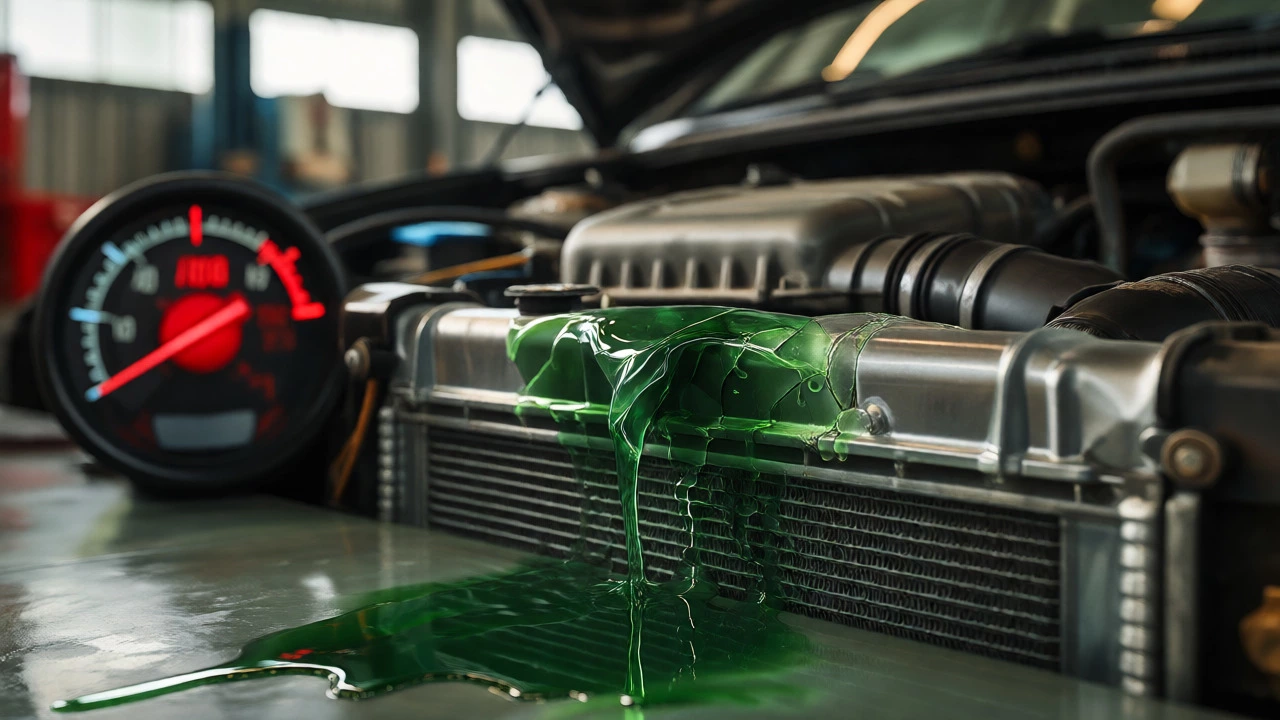
You’re staring at a puddle of green coolant under your hood, and the temperature gauge is creeping into the red. The diagnosis comes back: your radiator is cracked or leaking beyond repair. Now you have two questions burning in your mind: how much is this going to hurt my wallet, and more importantly, how long will I be without my car?
Here’s the short answer that might save you some anxiety: for most standard vehicles, a professional radiator replacement takes between 1 to 3 hours of actual labor. If you’re doing it yourself, budget for 4 to 6 hours if you’re handy with tools. But wait-before you book a rental car for a week, let’s break down why some jobs take twenty minutes while others eat up an entire day.
The Standard Timeline: What Actually Happens Under the Hood
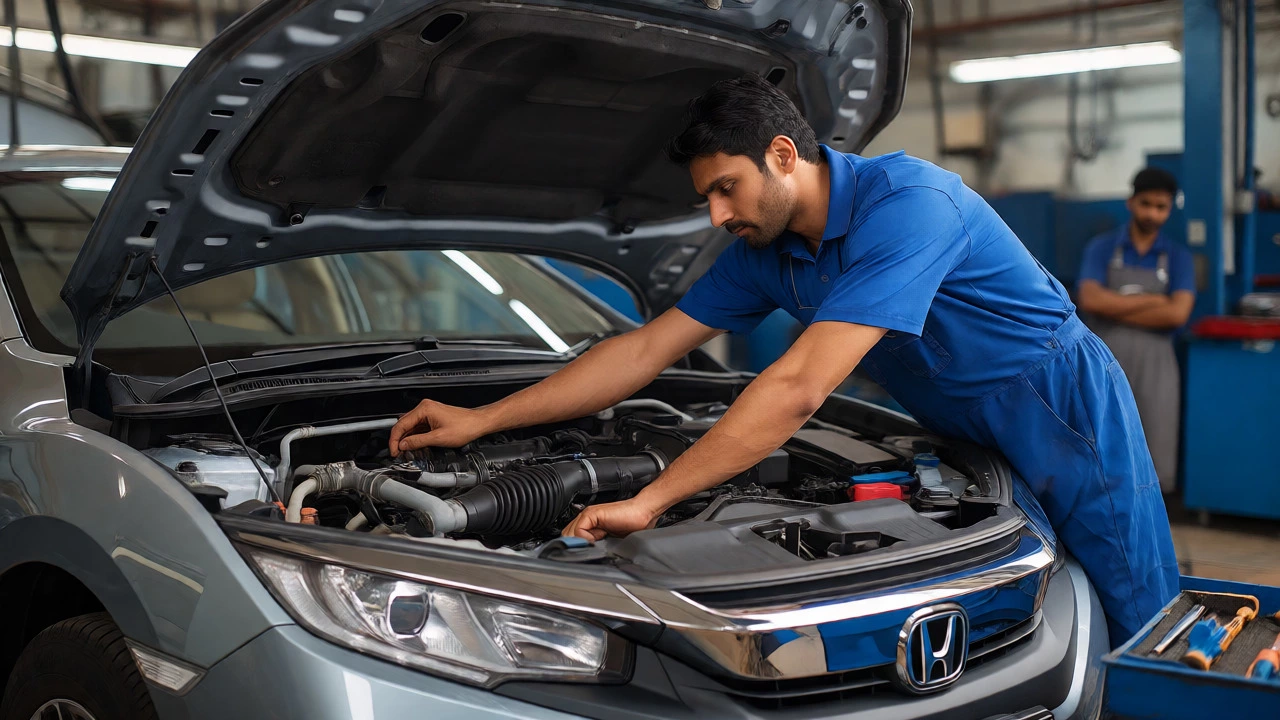
When a mechanic tells you "it'll be done by lunch," they aren't guessing. They’ve done this hundreds of times. For a typical sedan like a Honda Civic or Toyota Camry, the process is straightforward because these cars are designed for easy access. The front bumper usually pulls off in ten minutes, giving direct access to the cooling assembly.
However, time isn't just about turning bolts. A significant chunk of the timeline is spent on preparation and cleanup. Draining the old coolant, removing hoses that might be seized by heat cycles, and flushing the engine block to remove rust particles all add up. If your car has a transaxle cooler integrated into the radiator (common in many automatic transmission vehicles), expect the job to lean toward the upper end of that 1-3 hour window. Why? Because you have to disconnect transmission lines, which can leak fluid, requiring extra cleanup and refilling steps.
| Vehicle Type | Professional Time | DIY Time | Complexity Factor |
|---|---|---|---|
| Standard Sedan/Hatchback | 1-2 Hours | 3-4 Hours | Low: Front access is open; few obstructions. |
| SUV / Truck | 2-3 Hours | 4-6 Hours | Medium: Larger components, potential fan shroud removal. |
| Luxury / European | 3-5 Hours | 6-8+ Hours | High: Tight engine bays, plastic clips, complex wiring. |
| Transverse Engine FWD | 2-4 Hours | 5-7 Hours | High: Often requires lifting vehicle or removing subframe. |
Why Your Specific Car Might Take Longer
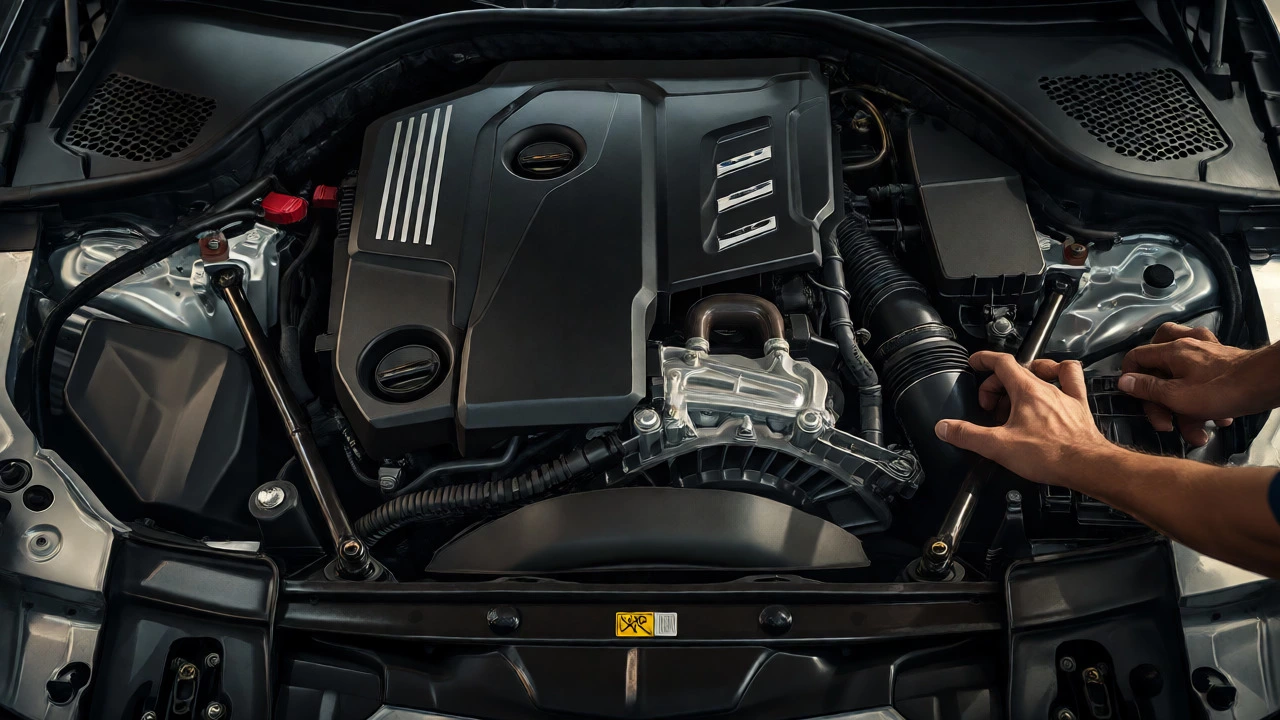
If you drive a BMW 3 Series or a modern Mercedes-Benz, don’t expect the quick turnaround of a Japanese commuter car. German engineering often prioritizes aerodynamics and packaging over serviceability. In many of these models, the radiator sits deep behind multiple layers of plastic covers, air intake ducts, and sometimes even the headlights. Removing these safely without breaking brittle plastic clips takes patience-and time.
Another major time-sink is the cooling fan assembly. On older cars, the fans are bolted directly to the radiator, so swapping them together is fast. On newer cars, electric fans are mounted to the chassis or engine block. You have to disconnect electrical connectors, which are often corroded or hidden behind tight spaces. If a connector snaps (a common issue on aging wiring harnesses), you’ll spend another hour diagnosing and repairing that single wire before you can even test the new setup.
The DIY Reality Check: Can You Save Money and Time?
Doing it yourself saves labor costs, which typically range from $75 to $150 per hour depending on your location. But does it save time? Not necessarily. Unless you have a lift and every tool already organized, the learning curve eats into your weekend. The biggest hurdle for DIYers isn’t mechanical skill-it’s dealing with unexpected seized bolts. Rust makes steel bolts fuse to aluminum threads. If you strip a mounting bracket, you might need to tap out new threads or buy a replacement bracket, adding hours to your project.
Pro tip: Buy a set of hose clamps that match your old ones before you start. Nothing kills momentum faster than realizing you need specific spring-type clamps and having to make a run to the auto parts store mid-job. Also, ensure you have enough antifreeze mixed correctly (usually 50/50 ratio) ready to go. Waiting for coolant to mix or cool down adds unnecessary delay.
Factors That Delay the Job Beyond Mechanics
It’s not always the wrench-turning that slows things down. Consider these logistical bottlenecks:
- Parts Availability: If your shop doesn’t have the specific OEM radiator in stock, ordering it can take 24-48 hours. Aftermarket alternatives are often available same-day but may require slight modifications to fit.
- Coolant Disposal: Professional shops must dispose of used coolant properly. If their waste oil tank is full or awaiting pickup, they might park your car until they can drain it legally.
- System Bleeding: Modern engines, especially those with aluminum blocks, trap air pockets easily. Air locks cause overheating even after installation. Properly bleeding the system using a vacuum fill tool takes precision and time. Rushing this step leads to comebacks, where the car returns within days because it’s still running hot.
Signs You Need Immediate Replacement vs. Repair
Not every leak means a full swap. Small pinhole leaks in the plastic tank can sometimes be patched with epoxy kits, saving you the replacement time entirely. However, if the core itself (the metal grid) is corroded or clogged, patching is a band-aid. A clogged radiator restricts flow, causing poor heater performance inside the cabin-a clear sign the internal passages are blocked. At this point, replacement is the only reliable fix.
Watch for sweet-smelling steam or discolored coolant. Brown, muddy coolant indicates head gasket issues or severe internal corrosion, which complicates the job. If you suspect head gasket trouble, the mechanic needs to inspect further before quoting a time estimate, as the problem might be deeper than just the radiator.
Cost Breakdown: Time Equals Money
Since labor is billed hourly, understanding the time component helps you spot fair pricing. Here’s what you should expect to pay in 2026:
- Parts: $100-$300 for aftermarket; $250-$600+ for OEM.
- Labor: 1.5-3.0 hours × $100/hr = $150-$300.
- Fluids: $20-$40 for coolant and possibly transmission fluid.
- Total: Typically $300-$700 for standard cars; up to $1,200 for luxury imports.
If a quote seems unusually high, ask specifically about the labor hours. If they quote 5 hours for a Honda Accord, ask why. Is there additional work needed, like replacing water pump or thermostat? Bundling these repairs during the same labor session saves money compared to separate visits later.
Can I drive my car with a broken radiator?
You should avoid driving it. A broken radiator cannot regulate engine temperature, leading to rapid overheating. Even a short trip can warp the cylinder head or blow a head gasket, turning a $500 repair into a $3,000 engine rebuild. If you must move it, do so only when cold and monitor the gauge constantly.
Do I need to replace the water pump when changing the radiator?
Not always, but it’s often recommended. Since the water pump is part of the same cooling loop and requires similar labor access, replacing both at once saves future labor costs. If your pump is original equipment and has over 80,000 miles on it, consider replacing it proactively.
How long does it take to bleed air from the cooling system?
Bleeding can take 15-30 minutes depending on the method. Using a vacuum fill tool is fastest. Traditional methods involve running the engine with the cap off until the thermostat opens and bubbles stop appearing. Skipping this step causes false overheating readings immediately after repair.
Is it cheaper to use an aftermarket radiator?
Yes, aftermarket radiators are significantly cheaper than OEM parts. Quality varies, though. Brands like Denso or Modine offer reliable alternatives that fit well. Cheapest no-name brands may have thinner plastic tanks prone to cracking sooner. Weigh the savings against potential durability risks.
What happens if the radiator is not installed correctly?
Poor installation leads to leaks at hose connections or improper airflow through the fins. This results in persistent overheating, warning lights, and potentially engine damage. Always verify that all clamps are tight and the fan operates correctly before closing up the engine bay.