Tire Pressure Adjustment Calculator
Vehicle Tire Pressure Guide
Check your door jamb sticker: The recommended pressure is NOT on your tire sidewall. Your vehicle's optimal pressure is specified on the sticker inside the driver's door frame.
Typical passenger car pressures range from 32-35 PSI. Under-inflation causes bouncy rides, while over-inflation creates harshness. Proper pressure improves fuel efficiency and tire life.
There is nothing quite as annoying as driving over a speed bump and feeling like your car is about to shake apart. If you are constantly jolted by potholes or feel every crack in the road, your daily commute can turn into a physical punishment. Many drivers assume this is just how older cars behave, but often the issue lies in worn components that are easy to fix. You deserve a car that glides over imperfections rather than fighting them at every turn.
Getting a smoother ride isn't just about luxury; it is about safety and vehicle longevity. When your suspension works correctly, your tires maintain better contact with the road, improving braking and handling. In this guide, we will walk through the practical steps to diagnose and fix the bounciness that makes driving unpleasant. We will cover everything from checking tire pressure to swapping out worn shock absorbers.
Start with the Basics: Tires and Pressure
Before you spend money on expensive parts, check the simplest variable first. Your tires are the only thing connecting your vehicle to the road surface. If they are under-inflated, they can cause a bouncy, unstable feel. Conversely, over-inflated tires make the ride harsh because they cannot absorb small bumps effectively.
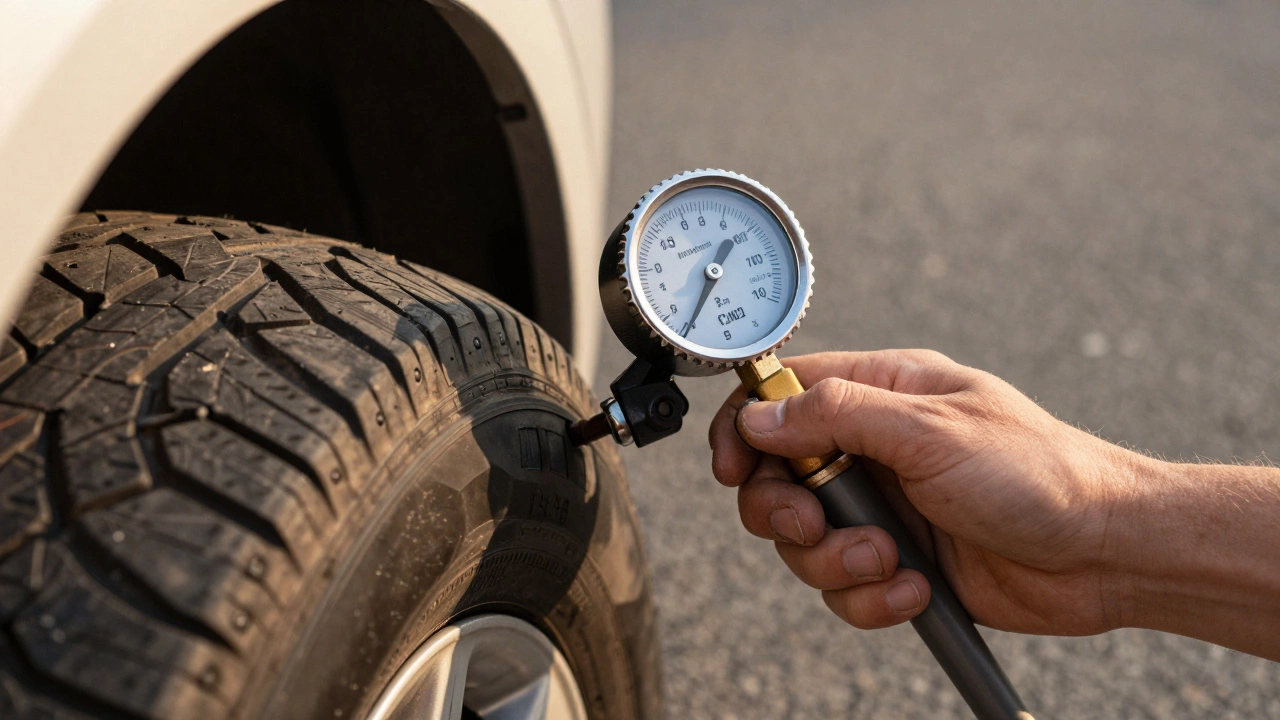
Grab a reliable pressure gauge and check the numbers against the sticker inside your driver's door jamb. Do not rely on the number on the tire sidewall, as that is the maximum limit, not the recommended pressure. For most passenger cars, you are looking between 32 and 35 PSI. Adjusting this can sometimes provide an immediate improvement in how the car handles bumps.
You should also inspect the tread and sidewalls. Uneven wear patterns often indicate alignment issues or worn suspension parts. If one side of the tire is worn down more than the other, your car might be leaning or pulling to one side, which puts extra stress on the suspension system.
Understanding Shock Absorbers and Dampers
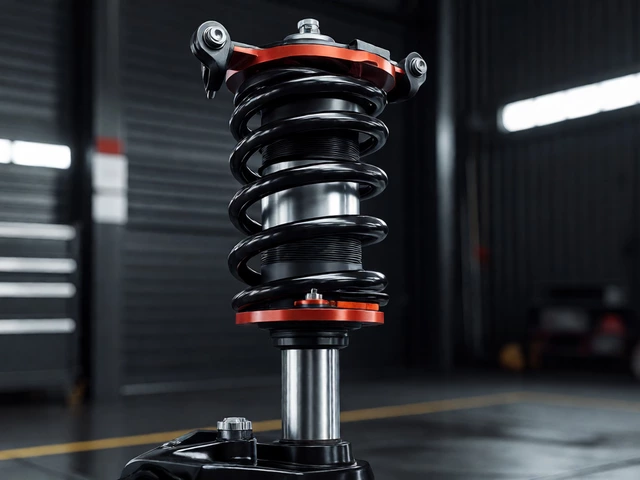
Shock Absorbers are devices that control the movement of the springs and dampen the oscillations caused by road irregularities. Without them, your car would bounce endlessly after hitting a bump. Over time, the fluid inside these shocks breaks down, losing its ability to control the spring movement.
When shocks are worn, you will notice a distinct floating sensation. The car might dive forward when you brake or squat when you accelerate. A simple test is to push down firmly on each corner of the car. If it bounces more than twice before settling, your shocks are likely shot. Replacing them is one of the most effective ways to make your suspension ride smoother without altering the vehicle's height.
There are different types available, from standard gas-filled units to heavy-duty options. For comfort, look for comfort-oriented replacements rather than performance sport shocks, which are stiffer. Brands like KYB or Bilstein often offer specific lines designed for ride comfort rather than track performance.
The Role of Coil Springs and Struts
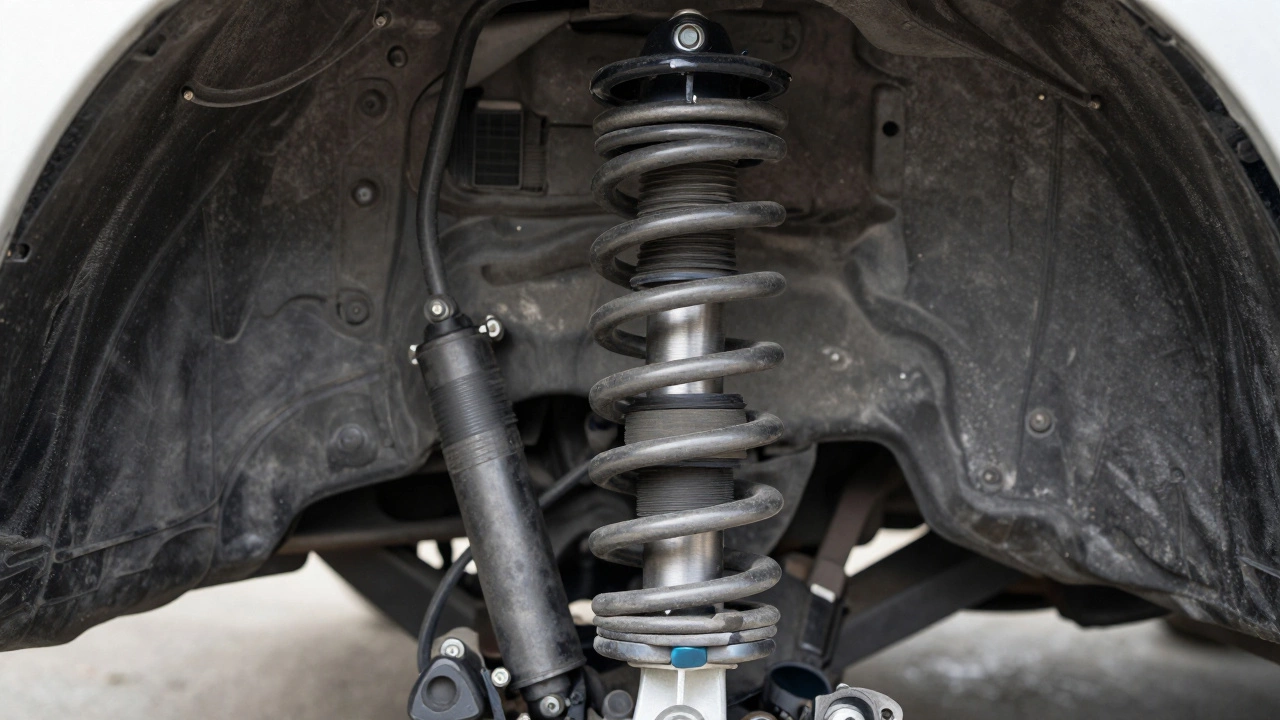
Coil Springs are helical steel components that support the vehicle's weight and absorb energy from road impacts. They work in tandem with the shock absorbers. If a spring is broken or sagging, the car will sit lower on one side, causing uneven handling and a harsh ride.
Many modern cars use strut assemblies, which combine the shock absorber and spring into one unit. If you are replacing shocks, check if your car uses struts. Replacing a strut assembly is often easier than replacing individual components, though it can be more expensive. Look for signs of rust or physical damage on the springs. A broken spring will often make a clunking noise when turning.
In some cases, installing slightly softer aftermarket springs can help, but this must be done carefully. Lowering springs often make the ride stiffer, not softer. If you want comfort, stick to OEM (Original Equipment Manufacturer) specifications or comfort-rated aftermarket options.
Hidden Culprits: Bushings and Mounts
Sometimes the metal parts are fine, but the rubber components have hardened. Suspension Bushings are rubber or polyurethane pads that cushion the connection between metal suspension parts and the chassis. They isolate vibration and allow parts to move smoothly.
As rubber ages, it cracks and hardens. This transfers road vibration directly into the car's frame, making the ride feel brittle. Control arm bushings and sway bar bushings are common failure points. If you hear clunks over bumps, it is often a sign of worn bushings. Replacing these is labour-intensive but makes a huge difference in noise and vibration isolation.
Strut mounts are another critical piece. They sit at the top of the strut assembly where it connects to the car body. A worn strut mount can cause a rattling noise and allow the shock to move slightly out of alignment, reducing its effectiveness. When replacing shocks, it is wise to replace the mounts at the same time.
Wheel Alignment and Geometry
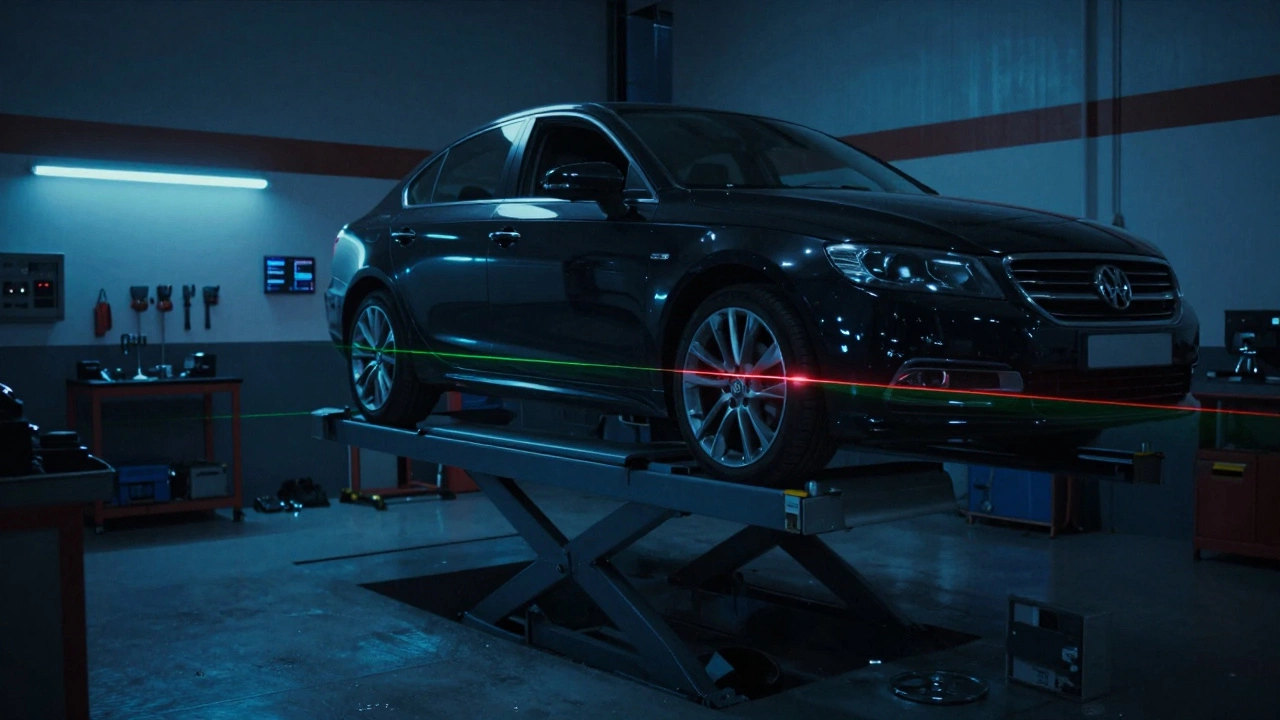
Even with brand new parts, a poor alignment can ruin your ride quality. Wheel Alignment is the adjustment of the angles of the wheels so that they are set to the car manufacturer's specifications. Incorrect camber, caster, or toe settings can cause the tires to scrub against the road, creating vibration.
A professional alignment shop will adjust the angles to ensure the tires roll straight and true. This not only improves comfort but also extends tire life. If your steering wheel is off-center or the car pulls to one side, you definitely need an alignment. This should be done immediately after replacing any suspension components.
Don't forget to check the toe settings specifically. Incorrect toe can cause a wobbly feeling at high speeds. Most alignment shops use computerized laser systems to ensure precision. In the UK, a standard alignment typically costs between £60 and £100, which is a small price for a stable ride.
Comparison of Suspension Upgrades
Deciding what to replace can be confusing. Here is a quick breakdown of common suspension components and their impact on ride comfort.
| Component | Function | Impact on Comfort | Typical Lifespan |
|---|---|---|---|
| Shock Absorbers | Dampen spring movement | High | 60,000 - 80,000 miles |
| Coil Springs | Support vehicle weight | High | 100,000+ miles |
| Bushings | Isolate vibration | Medium | 50,000 - 70,000 miles |
| Tire Pressure | Absorb road texture | Medium | Check monthly |
When to Seek Professional Help
While checking tire pressure is easy, working on suspension often requires lifting the car and supporting it safely. If you are not comfortable using jack stands and torque wrenches, take it to a mechanic. Suspension work involves high-tension springs that can be dangerous if handled incorrectly.
A professional inspection can identify issues you might miss, such as internal leaks in shocks or subtle frame damage. In Bristol, where roads can be uneven, regular suspension checks are vital. Many garages offer a free suspension check as part of a service. Ask them to check for play in the ball joints and tie rod ends as well.
If your car has air suspension, the system is more complex. Air bags can leak, and compressors can fail. These systems require specialized diagnostic tools. If you own a vehicle with air suspension, do not attempt DIY repairs unless you have specific experience with the system.
Cost Considerations and Value
Improving your ride quality is an investment in your comfort. A full set of shock absorbers might cost between £200 and £500 depending on the brand and car model. Adding labour, the total can rise. However, compare this to the cost of new tires or the wear and tear on your back from a rough ride.
Think about the resale value too. A car with a smooth ride and documented suspension maintenance is more attractive to buyers. Neglected suspension can lead to damage to other parts, like the chassis or body panels, which cost much more to fix later. Prevention is always cheaper than repair.
Can I improve ride comfort without replacing parts?
Yes, checking tire pressure and ensuring wheels are balanced can significantly improve comfort. Also, keeping tires inflated to the manufacturer's recommended level helps absorb bumps better.
How often should I check my suspension?
It is best to check your suspension every 12 months or 10,000 miles. If you notice unusual noises or handling changes, inspect it immediately.
Do sport shocks make the ride smoother?
No, sport shocks are usually stiffer to reduce body roll during cornering. For a smoother ride, choose comfort-rated or OEM replacement shocks.
Is it safe to drive with worn shocks?
It is not recommended. Worn shocks increase stopping distances and reduce tire contact with the road, making driving less safe, especially in wet conditions.
Can bad alignment cause a bumpy ride?
Yes, incorrect alignment can cause vibration and uneven tire wear, which contributes to a rough feeling while driving.