Alloy Rims: What They Are, Why They Matter, and What to Watch For
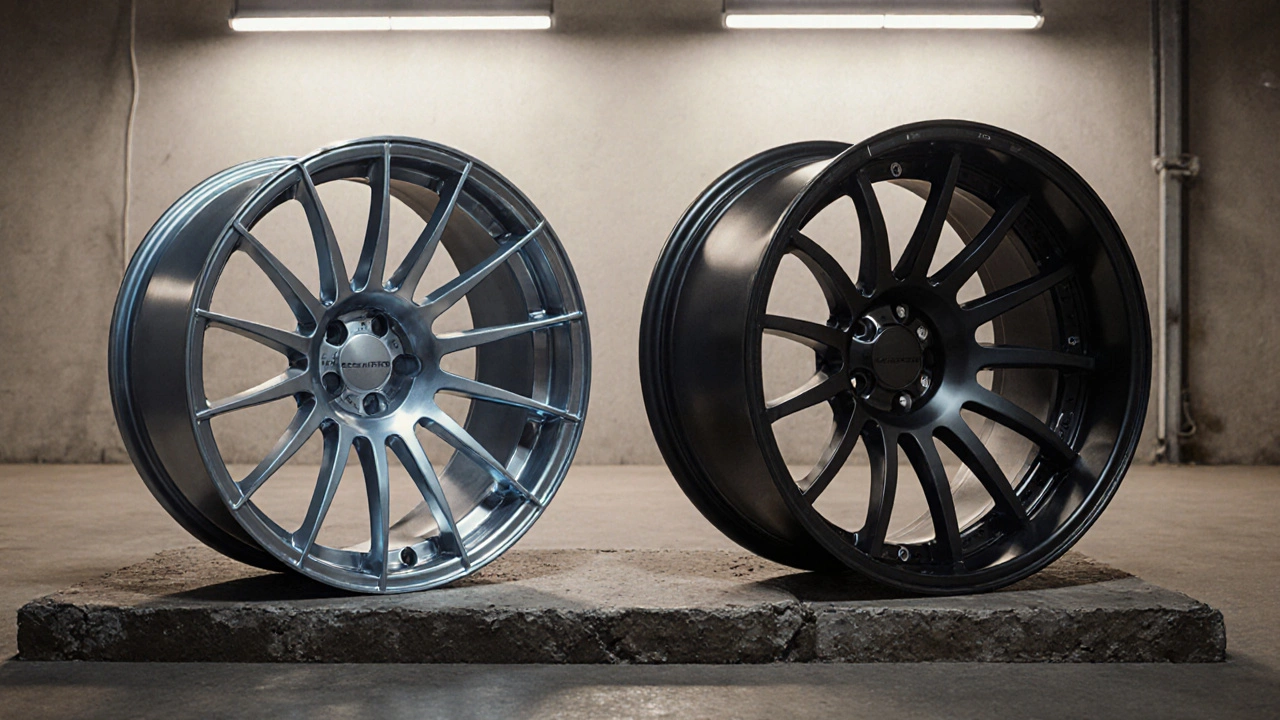
When you think about your car’s wheels, you’re probably not thinking about the material they’re made from—until one gets bent, cracked, or looks dull. Alloy rims, lightweight wheels made from aluminum or magnesium mixed with other metals. Also known as aftermarket rims, they’re the standard on most modern cars because they’re lighter, cooler-running, and look sharper than old-school steel wheels. Unlike steel wheels, which are heavy and prone to rust, alloy rims help your car handle better, stop faster, and use less fuel. But they’re not invincible. A hard hit from a pothole can crack them. Corrosion from road salt can eat away at the finish. And cheap ones? They can warp under pressure.
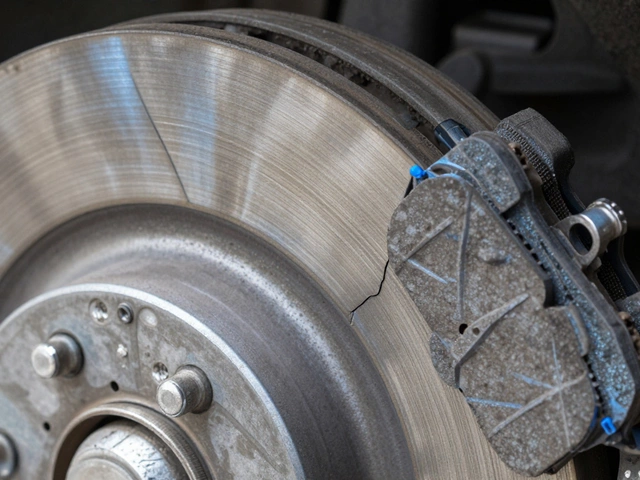
Alloy rims relate directly to other parts of your car’s performance. Wheel rims, the circular structure that holds the tire in place affect how your suspension works. If your rims are bent, your shocks wear out faster. Your tires don’t grip right. You get uneven wear. And if you’ve ever heard a rhythmic thumping noise at highway speeds? That’s often a warped rim, not a bad tire. Alloy wheel damage, cracks, bends, or corrosion that compromises structural integrity doesn’t always show up in a visual inspection. Sometimes it only shows up when your car pulls to one side or your steering feels loose.
You won’t find alloy rims on every budget car, but they’re everywhere now—even on entry-level models. That’s because manufacturers know drivers care about looks and efficiency. But here’s the catch: replacing a single damaged alloy rim can cost three times more than a steel one. And if you’ve been driving on a bent rim for months, you might be wearing out your tires, straining your suspension, or even damaging your brakes without realizing it. That’s why knowing the signs matters. Fading paint? Tiny cracks near the lug holes? A slow tire leak that won’t fix with a patch? These aren’t just cosmetic issues. They’re early warnings.
Below, you’ll find real-world stories from drivers who ignored these signs—and what happened next. Some thought a small crack was just a scratch. Others drove for months on a rim that was already bent. The results? Expensive repairs, unsafe driving, and missed chances to fix things early. Whether you’re thinking about upgrading your rims, trying to spot damage, or just want to know what’s under your tires, the posts here give you the facts—not the fluff.
-
12 Oct
- Recent
- Popular