Alloy Wheel Lifespan: How Long Do They Last and What Wears Them Out?
When you buy alloy wheels, lightweight, high-strength wheels made from aluminum or magnesium alloys, commonly used for better handling and style on modern cars. Also known as mag wheels, they’re popular for their looks and performance—but they don’t last forever. Unlike steel wheels, alloy wheels are more prone to cracks, bends, and corrosion, especially in India’s rough roads and humid climate. Most drivers expect them to last 5 to 10 years, but that depends heavily on how you drive, where you live, and how well you maintain them.
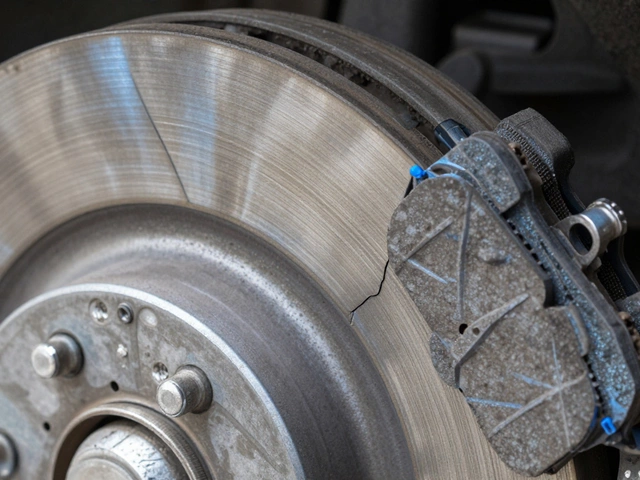
Wheel corrosion, the chemical breakdown of alloy surfaces due to moisture, salt, and road debris is one of the biggest killers of alloy wheels. In coastal cities like Mumbai or Chennai, salt spray eats away at the finish and can lead to deep pitting. Even in dry areas, brake dust, dirt, and poor cleaning habits build up and cause micro-abrasions that turn into cracks over time. Then there’s wheel damage, physical harm from potholes, curbs, or off-road driving. A single hard hit can bend the rim or crack the barrel, making the wheel unsafe—even if it still holds air. These aren’t just cosmetic issues. A damaged wheel can throw off your balance, wear out your tires faster, or even fail while driving.
What extends the alloy wheel lifespan? Regular cleaning with pH-neutral soap, avoiding harsh wheel cleaners, and checking for small cracks after every long drive. Also, keeping tires properly inflated helps absorb road shocks instead of letting the wheel take the hit. If you live where roads are rough, consider protective rim guards or switching to steel wheels in winter. And don’t ignore those tiny curb scratches—they’re early warnings.
Many people think alloy wheels are maintenance-free because they look shiny. But that’s exactly why they fail. The more you ignore them, the faster they degrade. The posts below show real cases: how one driver saved his wheels by changing his cleaning routine, why a bent rim led to a blown tire, and how brake dust buildup silently eats through the finish. You’ll also find guides on spotting early damage, choosing the right cleaners, and when it’s time to replace instead of repair. This isn’t about looking good—it’s about staying safe and saving money before a small problem turns into a $1,200 repair bill.
-
6 Jul
- Recent
- Popular