Alloy Wheels: What They Are, Why They Matter, and What to Watch For
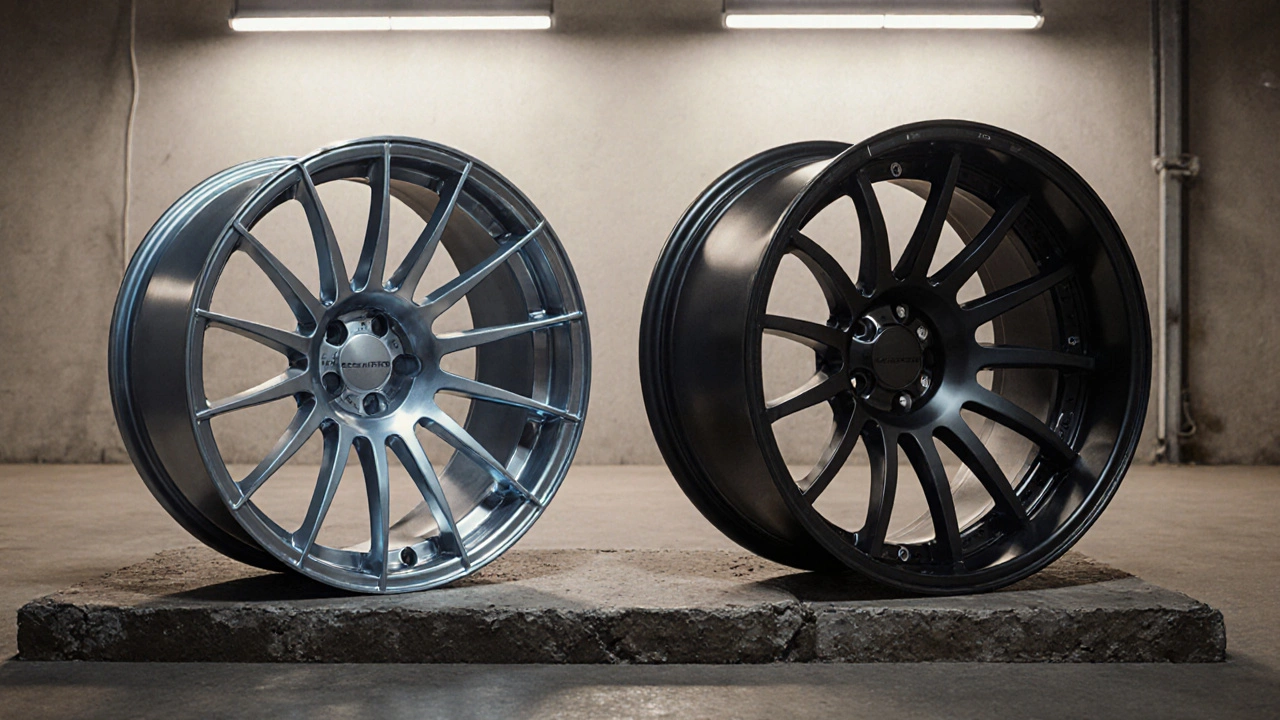
When you hear alloy wheels, lightweight wheels made from aluminum or magnesium alloys, commonly used in modern cars for better handling and style. Also known as mag wheels, they're not just for show—they directly affect how your car handles bumps, stops, and corners. Unlike heavy steel wheels, alloy wheels are lighter, which means your car doesn’t have to work as hard to accelerate or turn. That translates to better fuel efficiency, quicker response, and less strain on your suspension. But here’s the catch: because they’re lighter, they’re also more fragile. A single pothole or curb hit can crack or bend them, and those damages don’t always show up right away.
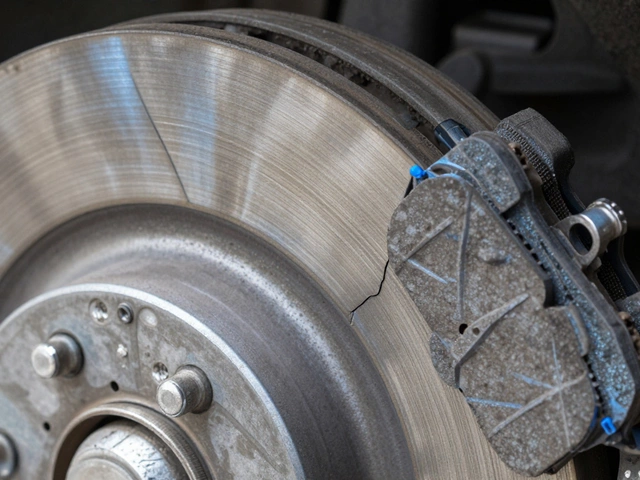
Alloy wheels often come paired with low-profile tires, which might look sharp but leave less cushion between the rim and the road. That’s why you’ll see so many posts here about suspension, the system that absorbs shocks and keeps tires in contact with the road and brake pads, the friction material that slows your car down when you press the pedal. A bad suspension doesn’t just make your ride bumpy—it puts extra stress on your wheels. And worn brake pads? They can cause uneven heat buildup on the wheel surface, leading to warping over time. Even something as simple as a dirty air filter can indirectly affect your wheels by forcing your engine to run inefficiently, changing how power gets delivered to the road.
Most people don’t think about alloy wheels until they start making noise, wobble at high speeds, or look cracked. But by then, the damage is often done. You might not realize your wheel is bent until your tire starts losing air slowly, or your steering pulls to one side. And replacing a single alloy wheel isn’t cheap—especially if it’s custom or OEM. That’s why knowing the signs early matters. Look for vibrations in the steering wheel, uneven tire wear, or a slow leak that won’t seal even after a patch. These aren’t just tire problems—they’re wheel problems too.
You’ll find posts here that cover everything from how suspension wear leads to premature wheel damage, to why brake pad replacement timing affects your wheel health. There’s no magic fix—just smart habits. Check your wheels every time you check your tire pressure. Avoid hitting curbs, even if you think you’ve cleared them. And if you’ve been driving on rough roads for months, don’t wait for a blowout to ask questions. The right care keeps your wheels looking good and your car running safe.
-
12 Oct
-
3 Apr
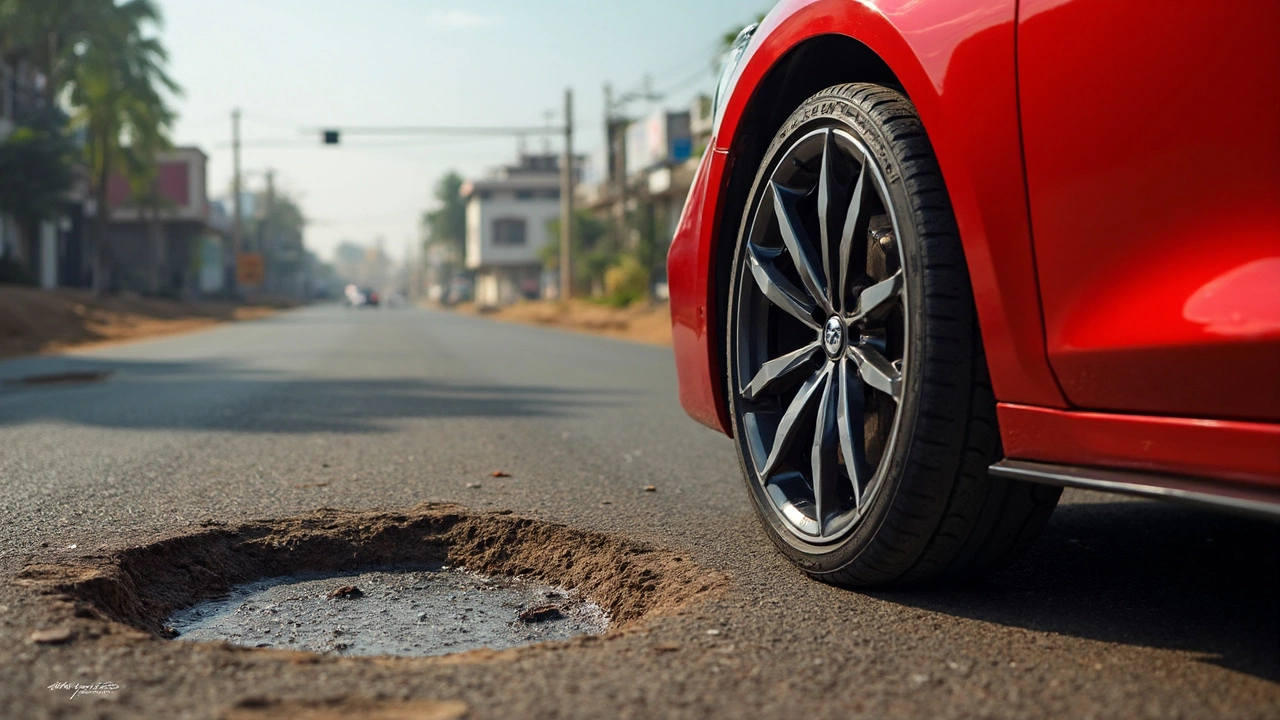
Do Alloy Wheels Crack Easily? What You Need to Know
Ever wondered how fragile alloy wheels really are? They're popular for looking sleek and sporty, but are they prone to cracking? This piece explores the common causes of such damage, whether you should worry about potholes, and tips on making your wheels last longer. It's essential to balance style with practicality when choosing your wheels.
- Recent
- Popular