Bad Suspension: Signs, Sounds, and What to Do Next
When your bad suspension, a failing system that connects your wheels to the vehicle frame and absorbs road shocks. Also known as faulty suspension, it doesn’t just make your ride uncomfortable—it can turn a simple drive into a safety risk. You might not notice it at first, but over time, the signs add up: your car bounces too much over bumps, leans hard in turns, or feels like it’s floating instead of gripping the road.
A broken suspension sound, a telltale clunk, creak, or thump heard when driving over uneven surfaces is often the first red flag. That noise? It’s usually worn shocks, broken control arms, or damaged bushings. These aren’t just annoying—they’re wearing out your tires faster and making your brakes less effective. And if you’ve ever felt your steering wheel shake or your car pull to one side, that’s not alignment—it’s likely a car suspension symptom, a visible or physical clue pointing to failing components like struts, springs, or ball joints. Ignoring these signs doesn’t save money; it just turns a $300 repair into a $1,500 one.
What makes bad suspension tricky is that it doesn’t always scream for help. Sometimes, it just whispers—your tires wear unevenly, your headlights aim too high at night, or your car feels looser than it used to. These aren’t random issues. They’re all connected. A worn shock absorber lets the tire bounce, which causes uneven tread wear. A cracked control arm changes your wheel angle, which makes steering feel off. And if you’ve ever heard a noise that sounds like metal hitting metal when you hit a pothole, you’re not imagining it. That’s exactly what suspension noise diagnosis, the process of identifying which part is failing based on the type and timing of the sound looks like in real life.
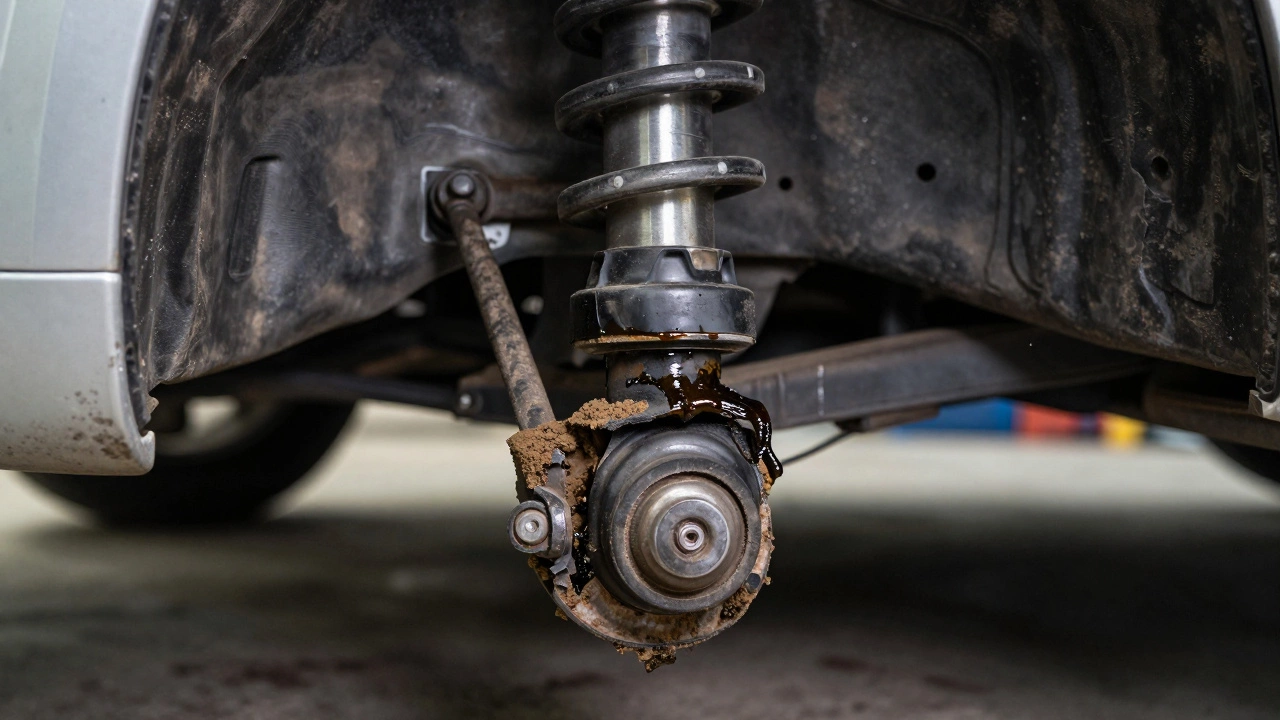
You don’t need to be a mechanic to spot trouble. Try this: push down hard on each corner of your car. If it bounces more than once, your shocks are done. Look under your car—if you see oil leaking from the shock absorbers, replace them now. Check your tires for cupping—those scalloped dips in the tread? That’s suspension failure in action. And if your car feels like it’s sliding sideways on wet roads, it’s not the tires. It’s the suspension losing its grip on the road.
The posts below cover exactly what you need to know. From how to identify a broken suspension sound to which parts are most likely to fail in Indian road conditions, you’ll find real-world advice, symptom checklists, and clear guidance on when to fix it yourself and when to call a pro. No fluff. No guesswork. Just what works.
-
6 Jan
-
21 Nov
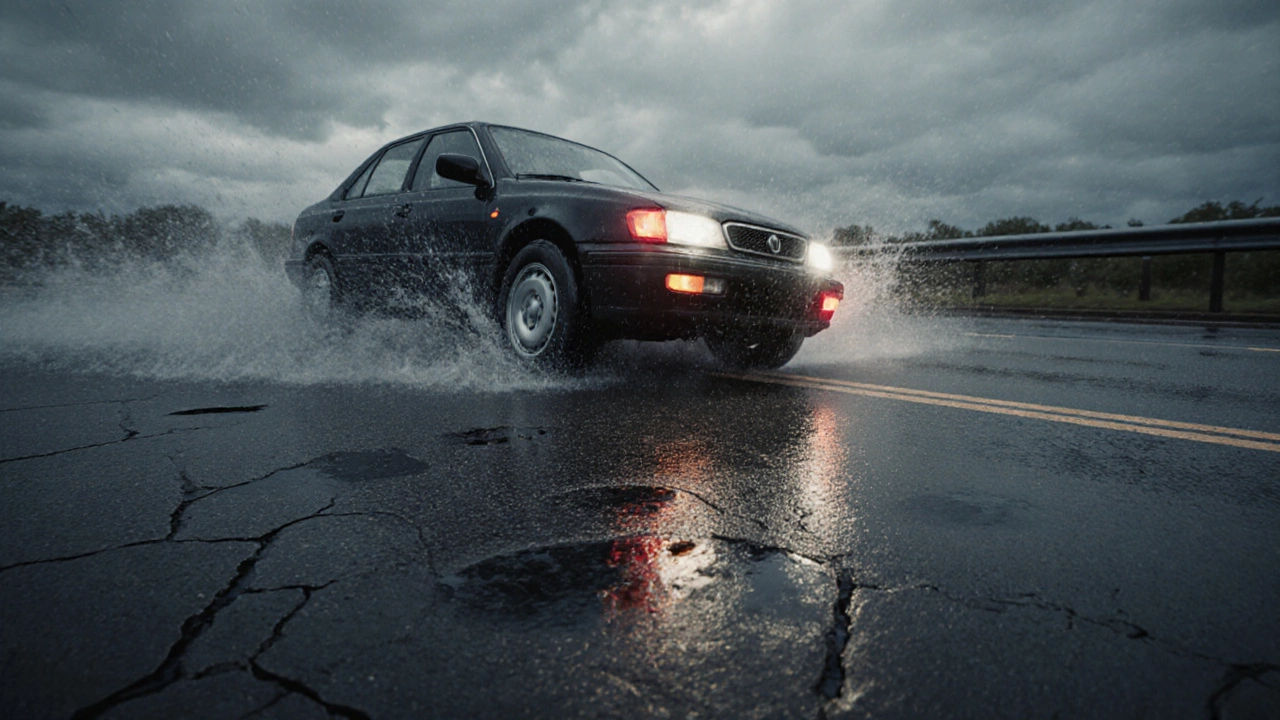
What Happens When You Drive with a Bad Suspension?
Driving with a bad suspension affects braking, steering, tire wear, and overall safety. Learn the real risks and signs you can spot yourself before it's too late. -
15 Apr

Driving with Bad Suspension: What Could Go Wrong?
Driving with bad suspension can lead to a slew of problems, from minor annoyances to serious safety hazards. Poor suspension affects how your car handles, wears out tires unevenly, and makes your ride uncomfortable. Knowing the signs of suspension trouble can help prevent costly repairs and ensure a safer driving experience. Keep an eye out for symptoms like excessive bouncing, clunking noises, or uneven tire wear to tackle suspension issues early.
- Recent
- Popular