Brake Pad Wear Signs: How to Spot Failing Brakes Before It's Too Late
When your brake pad wear signs, visible or audible indicators that brake pads have worn down to a dangerous level. Also known as brake wear indicators, these signals are your car’s last warning before braking power drops dangerously low. Most drivers wait until the brake pedal feels spongy or the car takes forever to stop—but by then, you’re already risking damage to the rotors, losing control in emergencies, or worse.
Brake pads don’t just wear out quietly. They scream, grind, and shake to get your attention. A high-pitched squeal when you brake? That’s the metal wear indicator scraping against the rotor—designed to make noise so you can’t ignore it. A deep, metallic grinding? That’s the backing plate hitting the rotor directly. No more padding left. This isn’t a "fix it later" issue. It’s a safety emergency. Your brake system, the mechanical and hydraulic assembly that converts pedal pressure into stopping force depends entirely on those thin layers of friction material. Once they’re gone, you’re braking with metal on metal, and that’s not just expensive—it’s deadly.
Other signs are less obvious but just as dangerous. If your car pulls to one side when you brake, it could mean uneven pad wear or a stuck caliper. A soft or sinking brake pedal? Air in the lines or fluid leaks. Vibration through the steering wheel? Warped rotors from overheating due to worn pads. These aren’t separate problems—they’re all connected. Worn pads cause heat buildup, which warps rotors, which then accelerates pad wear even faster. It’s a cycle that starts small and ends with a $1,000 repair bill. And if you drive an SUV or truck, the wear happens faster. Heavier vehicles put more stress on brakes. A compact car might get 40,000 miles out of a set. Your pickup might need new pads at 25,000.
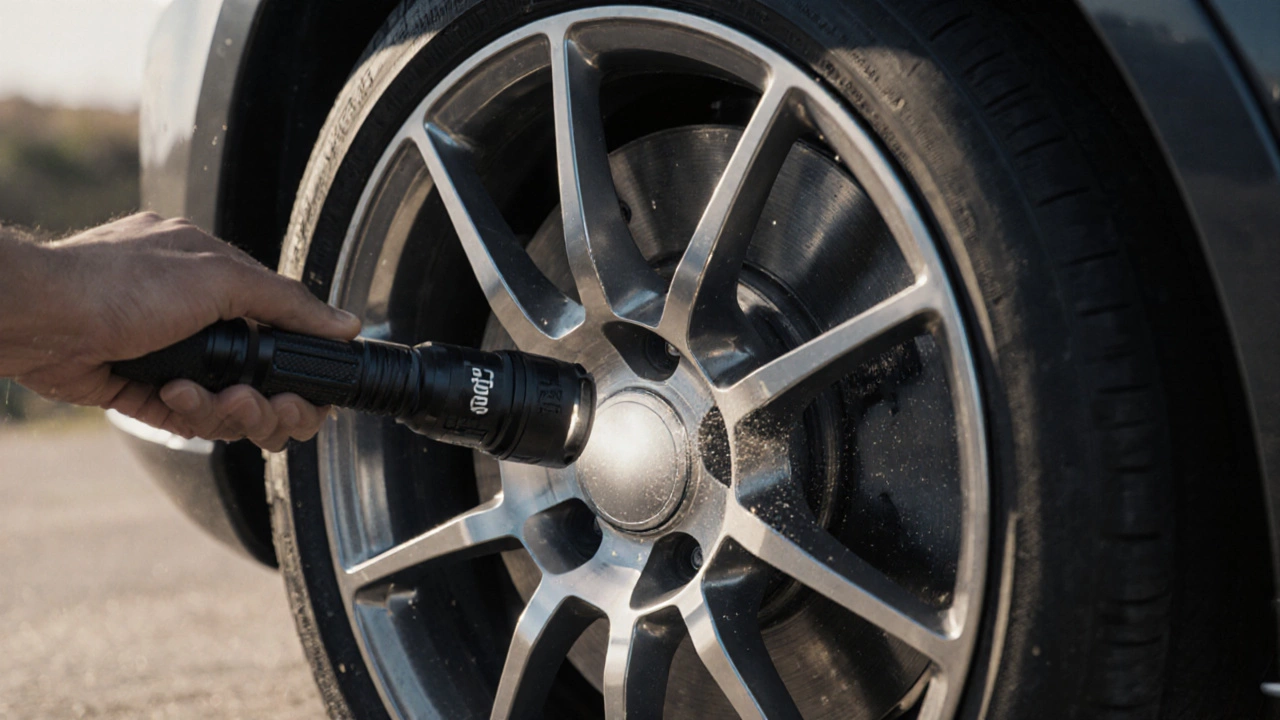
You don’t need a mechanic to spot early wear. Listen. Feel. Watch. If you hear noise, feel shaking, or notice your stopping distance getting longer, act. Check your pads visually through the wheel spokes—if you see less than 1/4 inch of material left, replace them. Don’t wait for the noise to get louder. Don’t assume your car is "fine" because the dashboard didn’t light up. Most cars don’t have brake pad sensors until you hit luxury trim levels. The rest of us rely on our senses. And your senses are more reliable than any warning light.
The posts below cover everything you need to know: how much brake pad replacement really costs, what to expect when replacing all four pads, why some pads wear faster than others, and how to avoid being overcharged. You’ll find real price guides for 2025, tips on choosing the right material—ceramic, semi-metallic, organic—and how to spot when rotors are damaged from ignoring the signs. This isn’t theory. It’s what people in India are actually paying, experiencing, and fixing right now. Skip the guesswork. Learn what to look for before your next brake job becomes a nightmare.
-
28 Oct
- Recent
- Popular