Brake Safety: What You Need to Know About Stopping Power and Vehicle Control
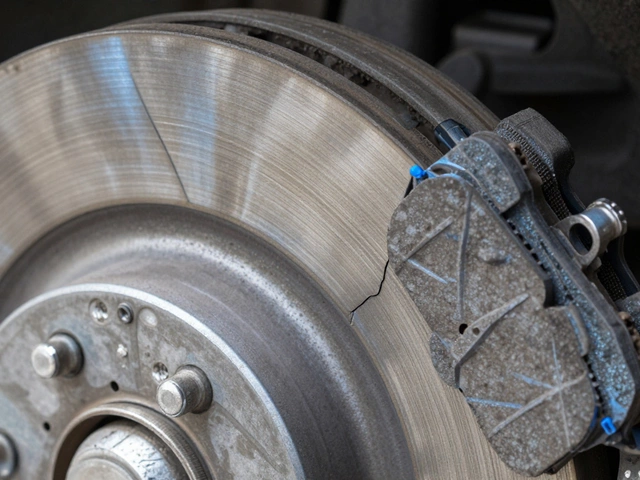
When it comes to your car, nothing matters more than brake safety, the system that lets you stop reliably and control your vehicle under pressure. Also known as braking performance, it’s not just about pressing a pedal—it’s about how well your brake pads, the friction components that clamp down on rotors to slow the car, your brake system, the full hydraulic and mechanical setup including rotors, calipers, and fluid lines, and your driving habits work together to keep you alive.
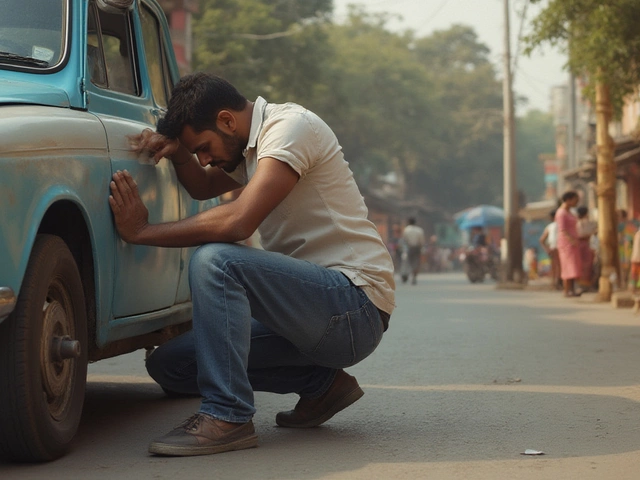
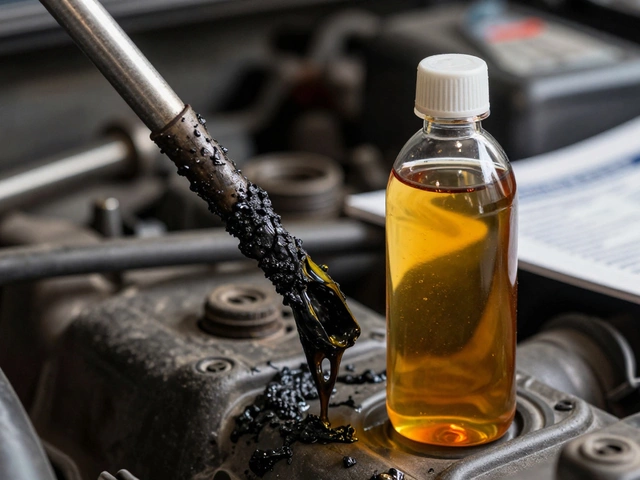
Bad brake safety doesn’t scream for attention—it whispers. A faint squeal when you slow down. A vibration in the pedal. A longer distance to stop at red lights. These aren’t minor annoyances. They’re warnings. A worn-out brake pad can go from 80% life to useless in a single hard stop. And if your brake fluid is old or contaminated, your pedal might feel spongy, like you’re pushing air instead of metal. That’s not a repair—it’s a countdown. Studies show that over 30% of accidents linked to vehicle failure involve brake problems, and most of them could’ve been caught with a quick visual check or listening for odd sounds.
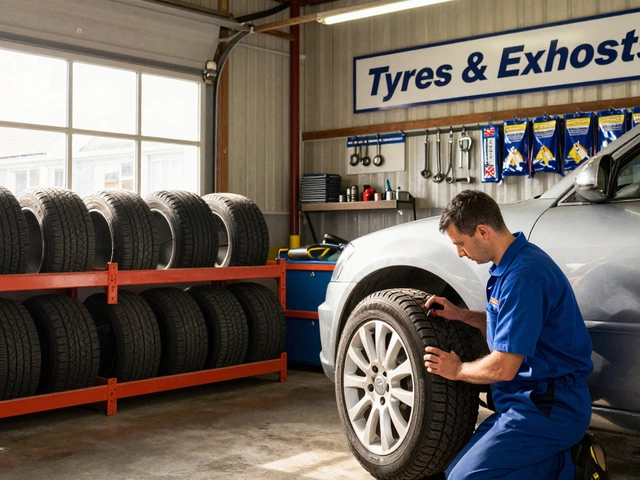
Brake safety isn’t just about parts—it’s about timing. Replacing brake pads before they’re completely gone saves you money. Rotors don’t last forever, and grinding noises mean you’ve waited too long. Suspension issues, like worn shocks or loose components, also affect how your brakes perform. If your car dives forward when you hit the pedal, your brakes are working harder than they should. And if you drive an SUV or truck, your brake system takes more abuse than a compact car’s. The same pads that last 50,000 miles in a Honda might need replacing at 30,000 in a pickup hauling heavy loads.
You don’t need to be a mechanic to keep your brakes safe. Check your pad thickness through the wheel spokes. Listen for new noises after a rain. Notice if your car pulls to one side when braking. These are simple, daily habits that add up. And if you’ve ever wondered why brake pad prices vary so much—steel, ceramic, semi-metallic—they’re not just different materials. They’re different safety levels. Cheaper pads wear faster, get louder, and can overheat under stress. You’re not buying a part—you’re buying peace of mind.
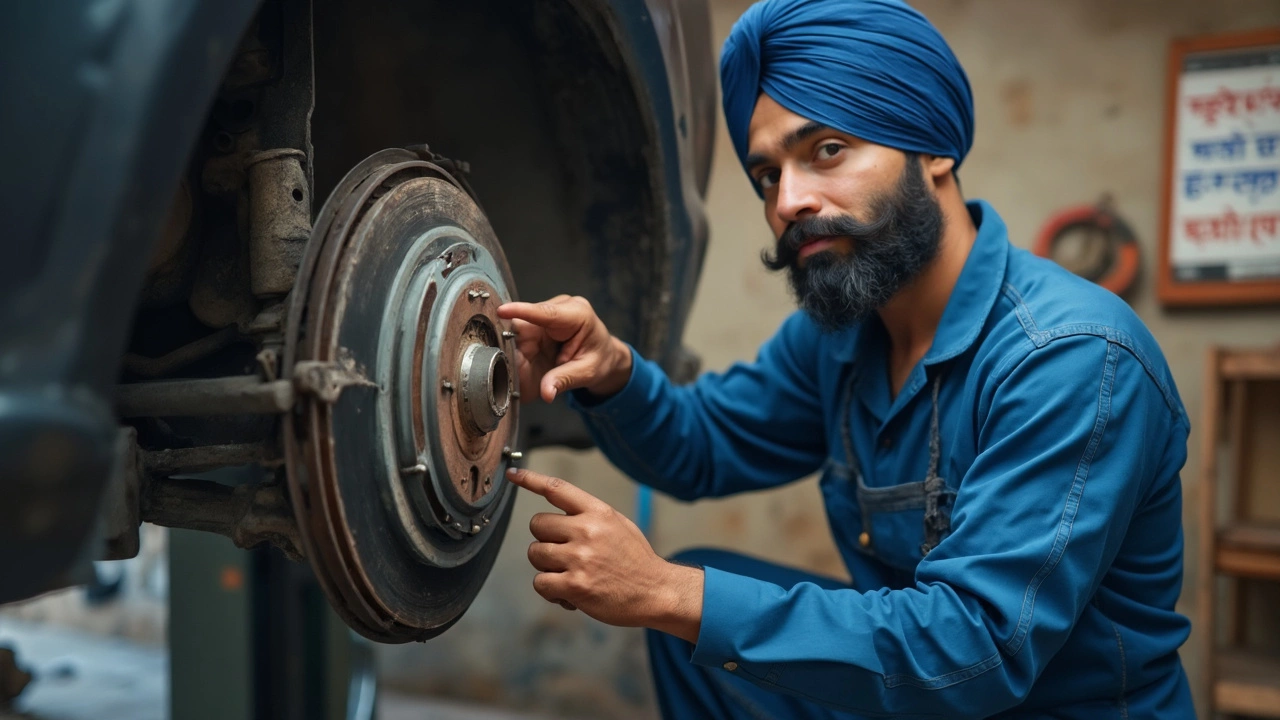
Below, you’ll find real, no-fluff guides on exactly what to look for when your brakes are failing, how much it actually costs to fix them, and what signs you can spot yourself before the warning light turns on. No theory. No marketing. Just what works on Indian roads, in monsoon heat, and under heavy traffic.
-
3 Jun
- Recent
- Popular