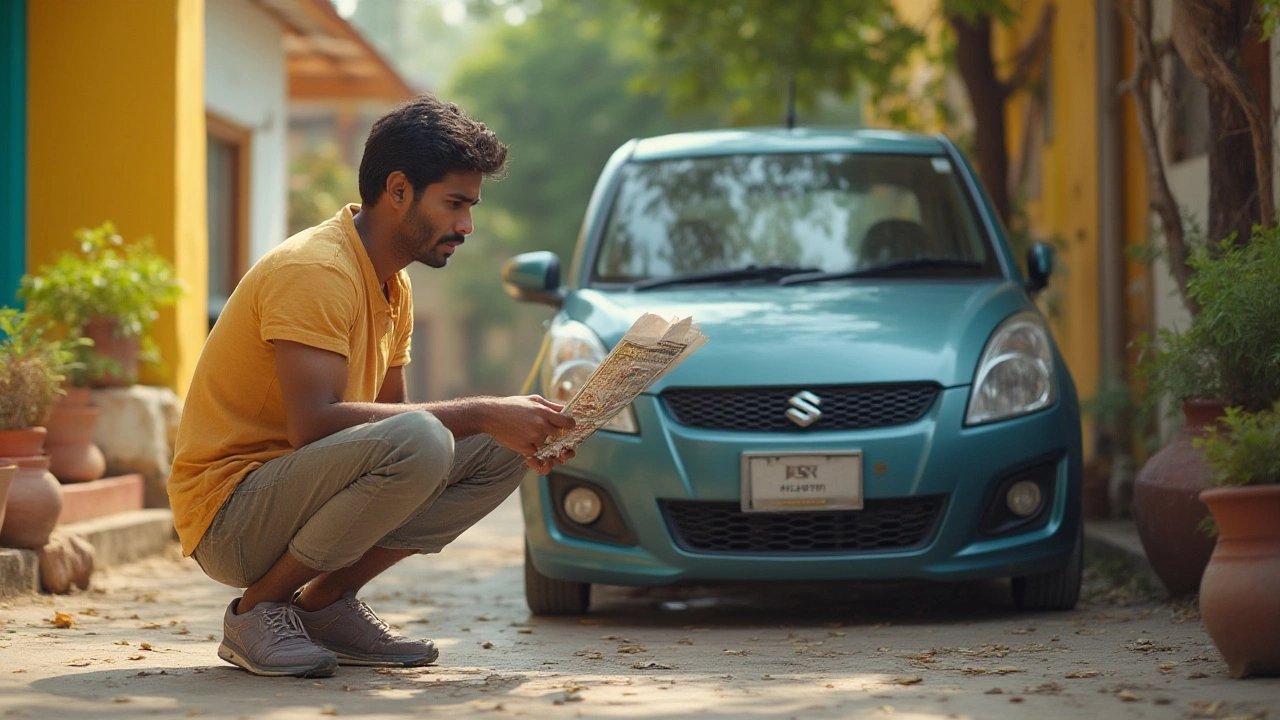
Car Clutch Test: How to Spot Failing Clutch Signs and Save Money
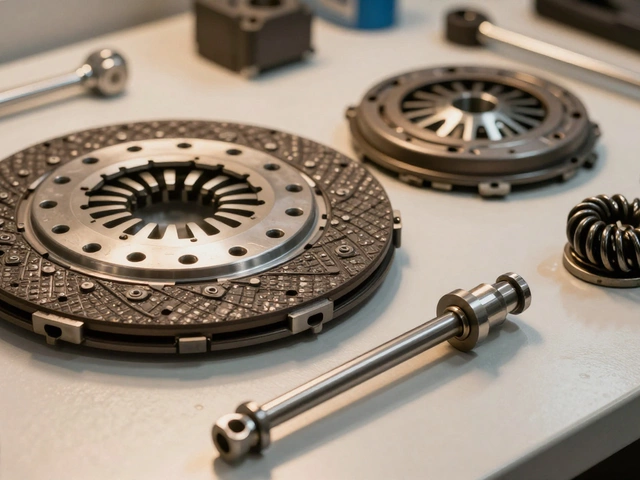
When you press the car clutch, a mechanical component that connects and disconnects engine power from the transmission. Also known as a clutch disc, it’s what lets you shift gears smoothly. If it’s wearing out, your car won’t just feel funny—it might leave you stranded. A failing clutch doesn’t always scream for help. Sometimes it whispers: a slight slip when accelerating, a weird smell, or a pedal that feels higher than usual. Most people ignore these signs until the clutch dies completely—and then they’re stuck with a $800 to $1,500 repair bill.
What causes clutch damage? It’s not just mileage. clutch wear, the gradual breakdown of friction material on the clutch disc happens fast if you ride the pedal, shift too fast, or drive in heavy city traffic without letting the clutch fully engage. clutch adjustment, the process of setting the right pedal free play can delay failure, but only if done right. Many drivers don’t even know their clutch has free play—that gap between where the pedal starts and where it begins to engage. If that gap disappears, your clutch is either worn out or misadjusted.
You don’t need a mechanic to do a basic car clutch test, a simple set of checks you can do in your driveway. Try this: stop on a slight hill, put the car in third gear, and slowly release the clutch without giving gas. If the engine doesn’t stall and the car doesn’t move, your clutch is slipping. Another sign? A burning smell after driving, especially in stop-and-go traffic. Or if the clutch pedal feels softer, spongy, or goes all the way to the floor, something’s broken inside.
And here’s the truth: a worn clutch doesn’t always make noise. Unlike brake pads that squeal, clutches fail quietly. That’s why most people wait until the car won’t move at all. But by then, you might also need a new flywheel, pressure plate, or release bearing—all part of a full clutch replacement, the complete overhaul of the clutch system. Replacing just the disc might save you $300, but if the flywheel is warped or the pilot bearing is seized, you’re risking more damage.
Some drivers think upgrading to a performance clutch will make their car last longer. Not always. Stock clutches are designed for everyday use. Aggressive clutches meant for racing can be harsher on your transmission and harder to drive in traffic. The best clutch for you is the one that matches your driving style—not your ego.
What you’ll find below are real, tested ways to check your clutch before it quits. We’ve pulled together guides from owners who caught the problem early, mechanics who’ve seen the same failures over and over, and cost breakdowns that show you exactly what to expect. Whether you’re wondering if your clutch needs adjustment, if it’s time for a full replacement, or if you’re just hearing strange noises when shifting—there’s a post here that’ll give you the answer without the fluff.
-
7 Jul
- Recent
- Popular