Car Modification: What Works, What Doesn't, and What You Need to Know
When you think of car modification, changes made to a vehicle to improve performance, appearance, or function beyond factory specs. Also known as vehicle tuning, it can turn an ordinary ride into something that feels uniquely yours. But not all mods are created equal. Some give you real gains in power, control, or durability. Others just make noise—literally and financially.
Take the exhaust system, the pathway that carries engine gases out of the vehicle, often modified for sound or performance. A 2 into 1 exhaust might sound cool, but unless your engine is tuned properly, it’ll kill low-end torque and could even fail emissions checks. Same goes for that throaty exhaust note—swapping mufflers or deleting resonators changes sound, but it also changes backpressure, which affects how your engine breathes. It’s not magic. It’s physics.
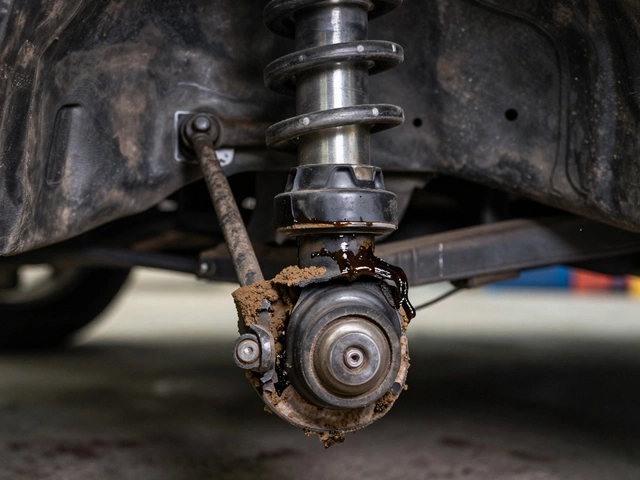
Then there’s the suspension, the system that connects the wheels to the chassis, controlling ride quality and handling. If you’re lowering your car for looks, you better know what happens when the shocks wear out. Bad suspension doesn’t just make your ride bumpy—it ruins tire wear, messes with braking distance, and makes steering unpredictable. You can hear it too: clunks, rattles, and groans aren’t just annoying—they’re warning signs.
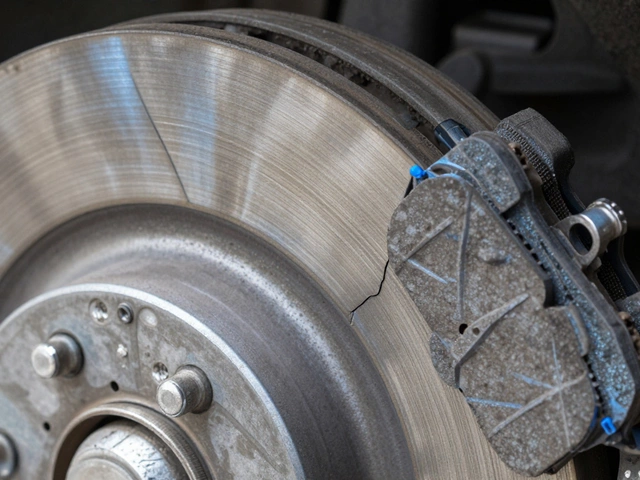
And what about the clutch, the component that connects and disconnects engine power to the transmission, often replaced or adjusted during performance upgrades? A lot of people think upgrading a clutch means more power. But if you’re just cruising around town, a heavy-duty clutch is overkill—and it’ll make your daily drive stiff and tiring. On the flip side, if you’re launching hard or towing, a worn clutch won’t last five minutes. Knowing when to adjust, replace, or upgrade makes all the difference.
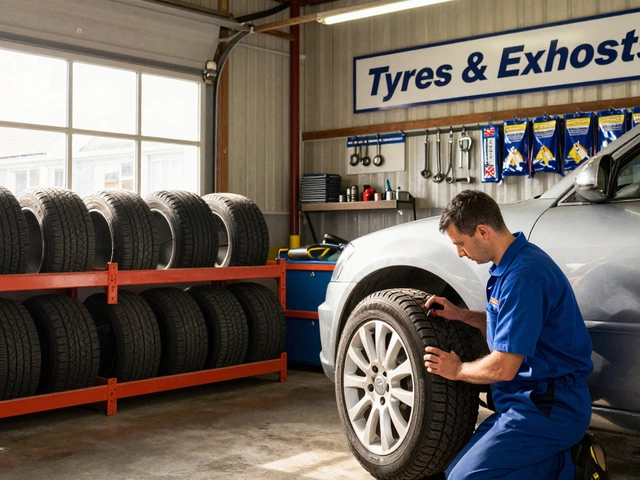
Even something as simple as alloy rims, lightweight wheels made from aluminum alloys, often chosen for appearance and reduced unsprung weight can change how your car behaves. Lighter wheels mean better acceleration, sharper handling, and less strain on your suspension. But they’re also more fragile. A pothole that barely dents a steel wheel can bend an alloy one. And if you’re not balancing them right, you’ll feel it in the steering wheel.
Car modification isn’t about following trends. It’s about matching changes to how you actually drive. If you’re hauling groceries and commuting on rough roads, stick to reliable upgrades that improve safety and longevity. If you’re hitting the track on weekends, then yes—go deeper. But even then, know what you’re changing and why. Most people spend thousands on flashy parts only to find their car drives worse than before. The real winners? Those who fix what’s broken first, then add smart upgrades that work with the car’s design—not against it.
Below, you’ll find real-world breakdowns of what happens when parts fail, how much upgrades actually cost, and which modifications give you back more than you put in. No fluff. No hype. Just what you need to know before you open your wallet.
-
8 Jul
- Recent
- Popular