Car Radiators: What They Do, How They Fail, and What to Do Next
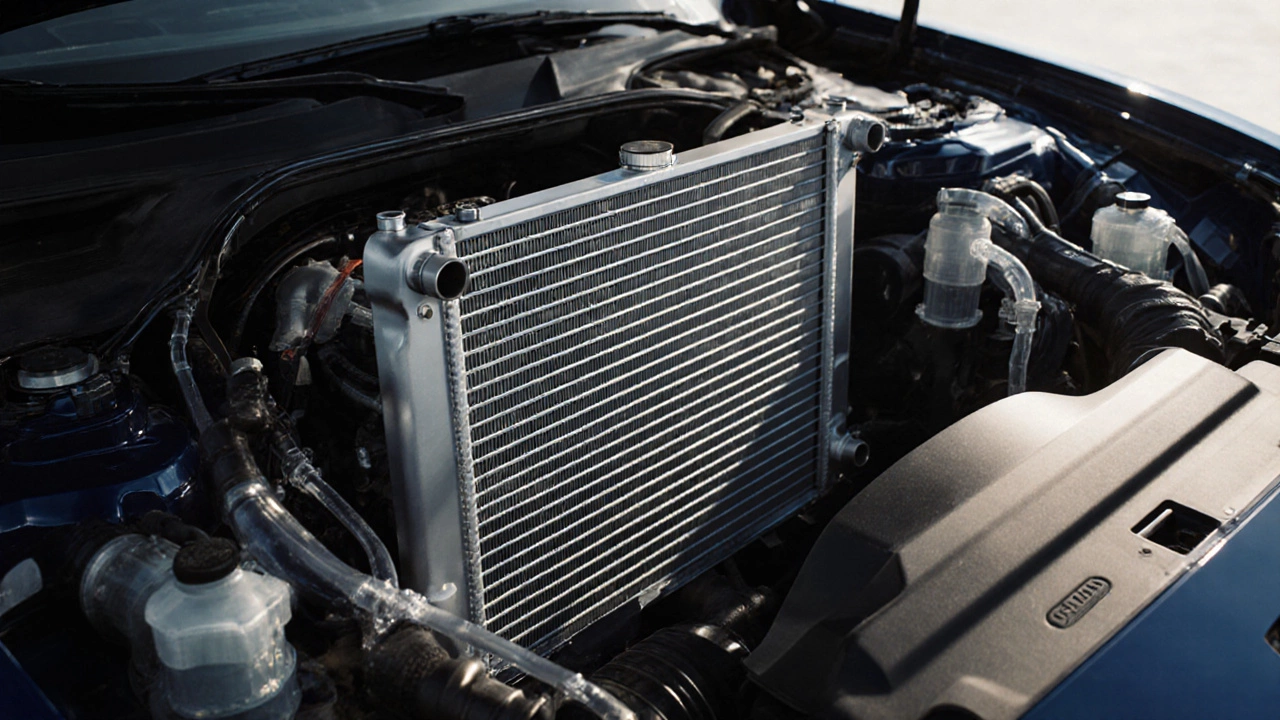
When your engine runs, it gets hot—really hot. That’s where the car radiator, a critical part of the engine cooling system that transfers heat from coolant to the air. Also known as a heat exchanger, it’s the unsung hero keeping your engine from turning into scrap metal. Without it, your engine overheats in minutes. And unlike a flat tire, you can’t just pull over and swap it out. A failing radiator doesn’t always scream for help—it often whispers, until it’s too late.
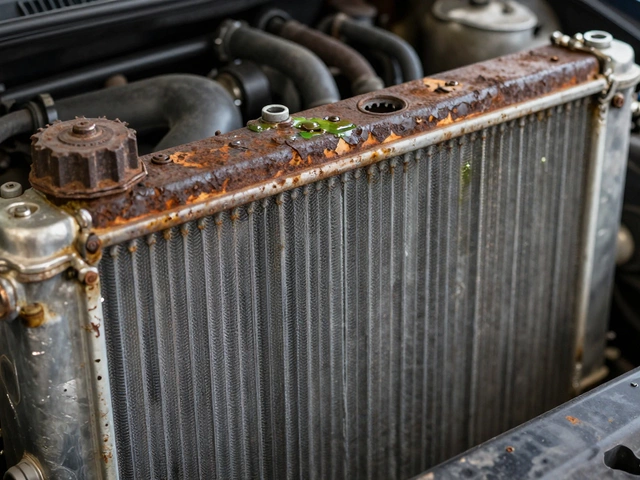
Most radiator problems start small: a slow leak, a clogged passage, or a cracked tank. Over time, rust, dirt, or old coolant turns the inside into a gunky mess, blocking flow. That’s when your temperature gauge starts creeping up, or you notice puddles under your car. Sometimes, it’s just a loose hose or a bad cap. Other times, it’s the core itself, corroded from years of neglect. The cooling system, the network of hoses, thermostat, water pump, and radiator that circulates coolant to manage engine heat works as a team. If one part fails, the rest suffer. A bad water pump? It won’t push coolant through the radiator. A stuck thermostat? It traps heat inside. And if the radiator can’t shed that heat, your engine pays the price.
Fixing a radiator isn’t always about replacement. Sometimes, a flush clears the blockage. Sometimes, a new cap or hose does the trick. But if the core is cracked or clogged beyond repair, you need a new one. And not just any radiator—make sure it matches your car’s make, model, and engine. Aftermarket parts can save money, but cheap ones often fail sooner. And don’t forget the coolant. Using the wrong type or mixing brands can cause chemical reactions that eat away at metal and rubber.
What you’ll find here are real stories from drivers who ignored the signs—until their engine seized. You’ll see how a $50 radiator cap mistake turned into a $2,000 repair. You’ll learn how to spot a failing radiator before it leaves you stranded. And you’ll get straight answers on when to fix it yourself and when to call a pro. No fluff. No guesswork. Just what actually happens when your cooling system breaks down, and how to stop it before it costs you more than your car is worth.
-
20 Nov
-
26 Oct

Why Car Radiators Are Becoming Obsolete
Explore why traditional car radiators are fading out, how EVs use heat pumps and electric cooling, and what it means for owners and mechanics. -
30 Jun
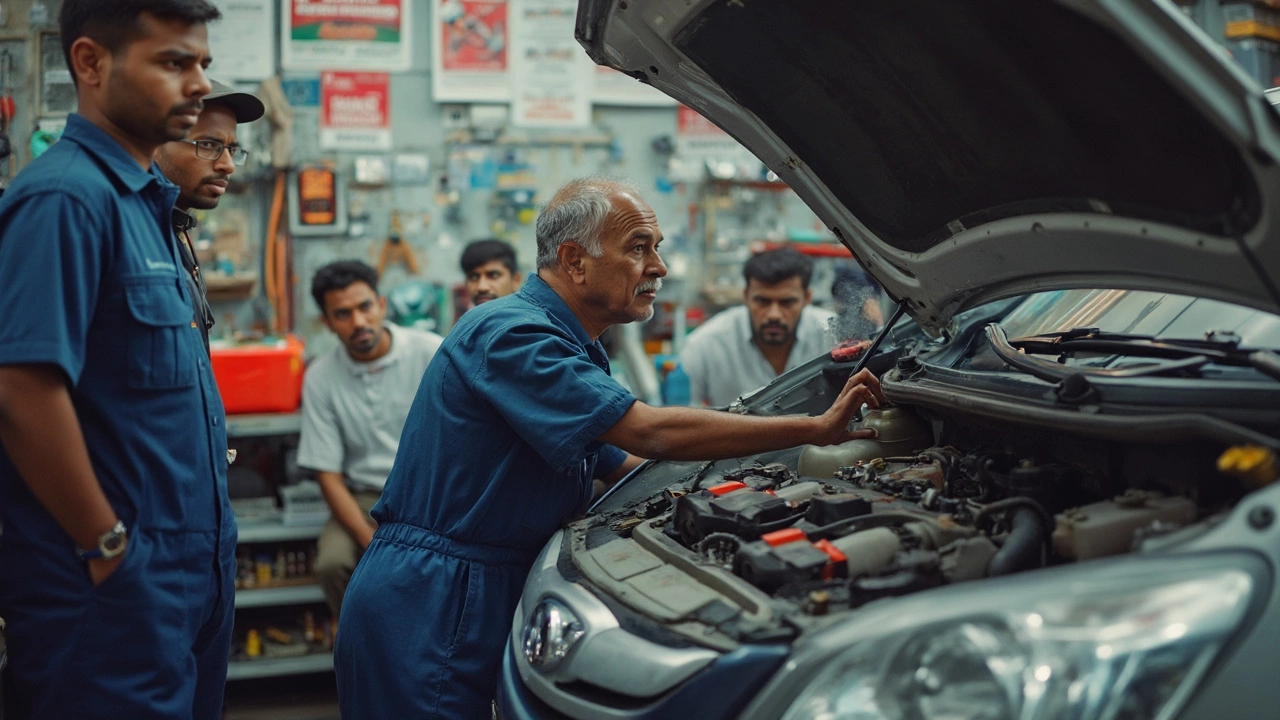
Why Car Radiators Fail: Common Causes & Essential Fixes
A deep dive into why car radiators fail, what causes them to go bad, real-world tips to prevent radiator problems, and smart fixes to keep your engine running cool. -
23 Jun

Car Radiators: Is Replacing Your Old Radiator Worth It?
Thinking about replacing your car’s radiator? This article breaks down when it’s worth swapping out your old radiator and when you might be better off with a repair. Learn what signs mean it’s time for a new one, what problems a failing radiator can cause, and get real-life tips for making the right call. We bust some common myths and give you a peek at what happens if you ignore radiator issues too long. Get ready for some straightforward answers and practical advice. -
17 Feb

Decoding the Lifespan of Your Car Radiator
The life expectancy of a car radiator often feels like a blend of science and chance. While typically lasting between 8 to 10 years, various factors such as driving habits and climate can drastically affect this range. Regular maintenance plays a crucial role in keeping radiators efficient and long-lasting. This article delves into the facts you need to know about car radiators, offering tips to extend their life and save you money in the long run. Whether you're a seasoned driver or a newcomer to car maintenance, understanding your radiator's lifespan can keep your vehicle running smoothly.
- Recent
- Popular