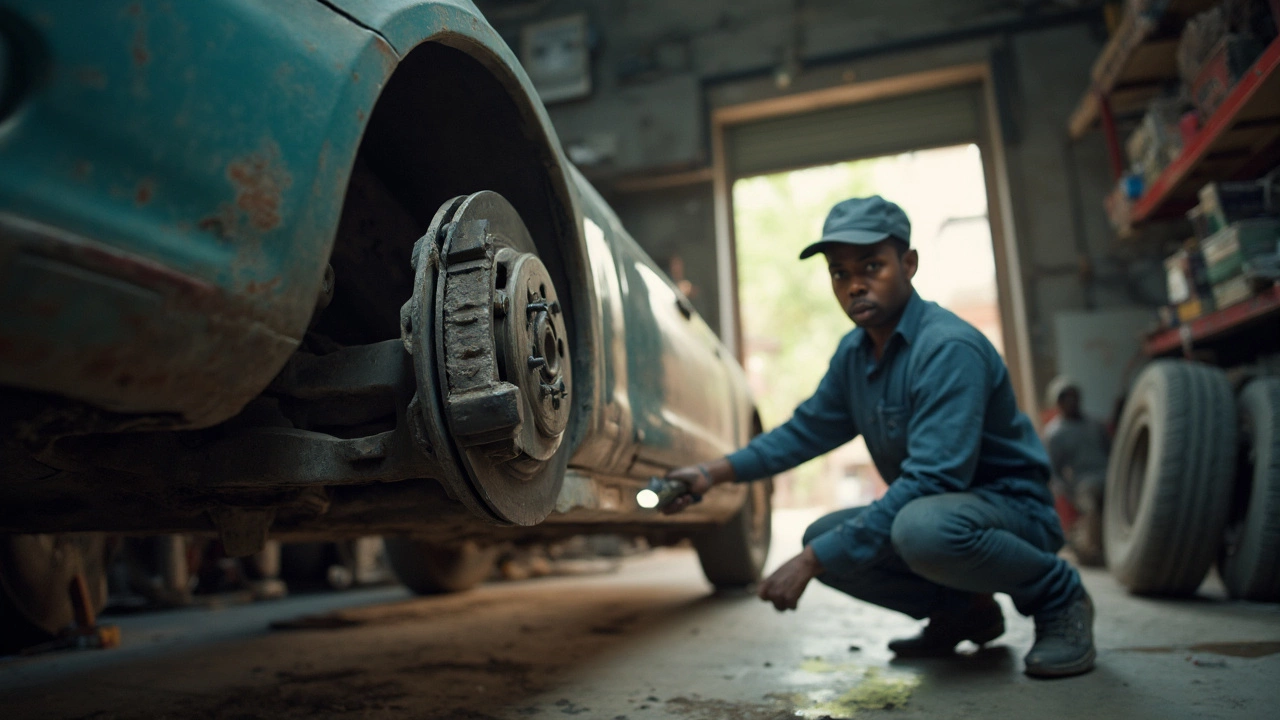
Car Safety: Essential Tips and Parts That Keep You Protected on the Road
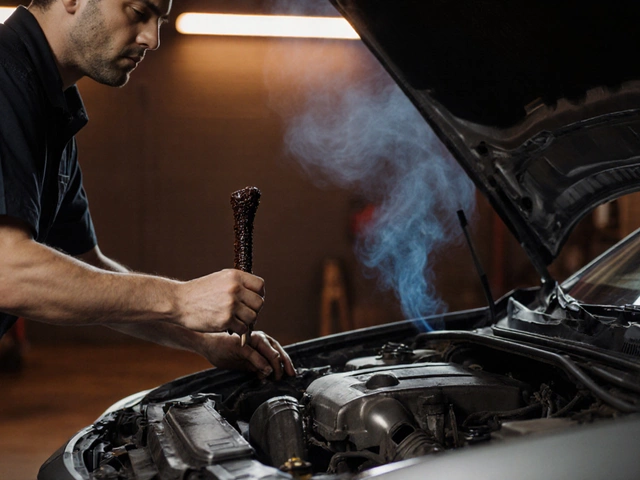
When we talk about car safety, the collective systems and habits that prevent accidents and protect drivers and passengers. Also known as vehicle safety, it's not just about airbags or seatbelts—it's about what's happening under the hood, under the wheels, and between the pedals. A car can look brand new, but if your brake pads are worn thin or your suspension is loose, you're driving on borrowed time.
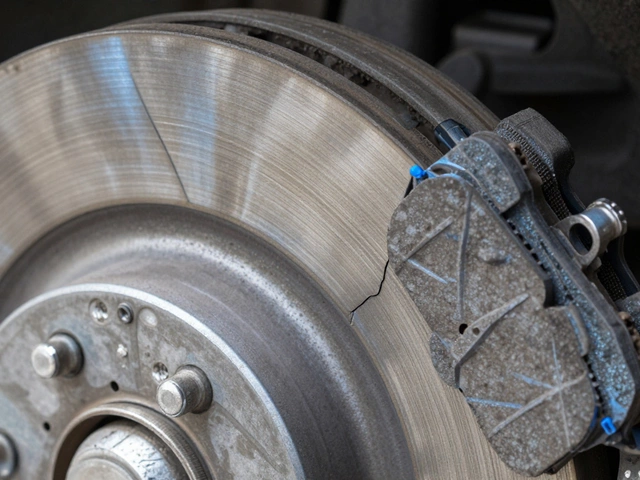
Brake pads, the friction material that stops your wheels when you press the pedal wear down slowly, and most drivers don’t notice until they hear that screech. But by then, you’ve already lost stopping power. Suspension, the system that keeps your tires in contact with the road during bumps and turns doesn’t fail with a bang—it groans, wobbles, and makes your car feel floaty. If your car leans too much in corners or bounces after hitting a pothole, your shocks are done. And then there’s the clutch, the connection between engine and wheels that slips when worn, making gear changes unpredictable. A slipping clutch doesn’t just cost you acceleration—it can leave you stranded on a highway.
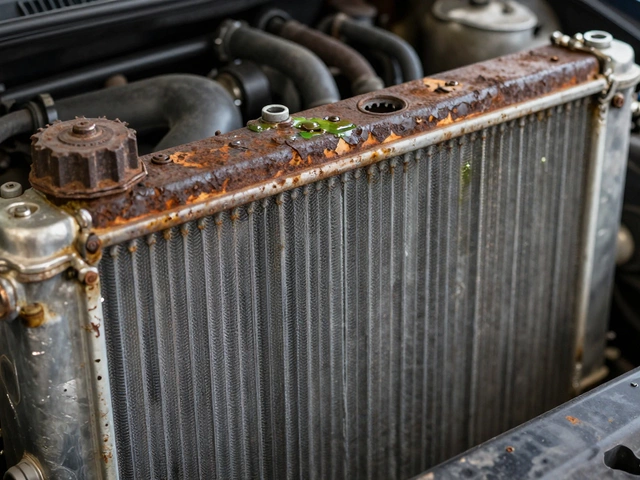
Even something as simple as a radiator, the component that keeps your engine from overheating can turn into a safety issue. If it leaks or clogs, your engine overheats. That doesn’t just mean a broken car—it means a fire risk, a stalled vehicle in traffic, or worse. These aren’t optional parts. They’re the invisible layers of safety that keep you from becoming a statistic.
You won’t find car safety in brochures or ads. You’ll find it in the quiet moments: when you check your tire pressure, when you listen for that new squeal when you brake, when you notice your steering feels heavier than usual. The posts below cover exactly these moments—real signs of trouble, real costs to fix them, and real choices you can make before it’s too late. Whether you’re dealing with worn brake pads, a failing suspension, or a clutch that’s on its last legs, you’ll find straight answers here—no fluff, no jargon, just what you need to stay safe.
-
29 Jun
-
15 Apr

Driving with Bad Suspension: What Could Go Wrong?
Driving with bad suspension can lead to a slew of problems, from minor annoyances to serious safety hazards. Poor suspension affects how your car handles, wears out tires unevenly, and makes your ride uncomfortable. Knowing the signs of suspension trouble can help prevent costly repairs and ensure a safer driving experience. Keep an eye out for symptoms like excessive bouncing, clunking noises, or uneven tire wear to tackle suspension issues early. -
23 Mar

How to Tell If Your Brake Pads Need Replacing
Brake pads are essential for your car's safety. Knowing when they need replacing can save you from costly repairs or dangerous situations. This article explains telltale signs and simple checks to determine whether your brake pads are worn out. Learn to conduct basic inspections without the need for costly equipment. Staying on top of brake maintenance ensures peace of mind and safety on the road.
- Recent
- Popular