Car Wiper Prices: What You Really Pay and How to Save
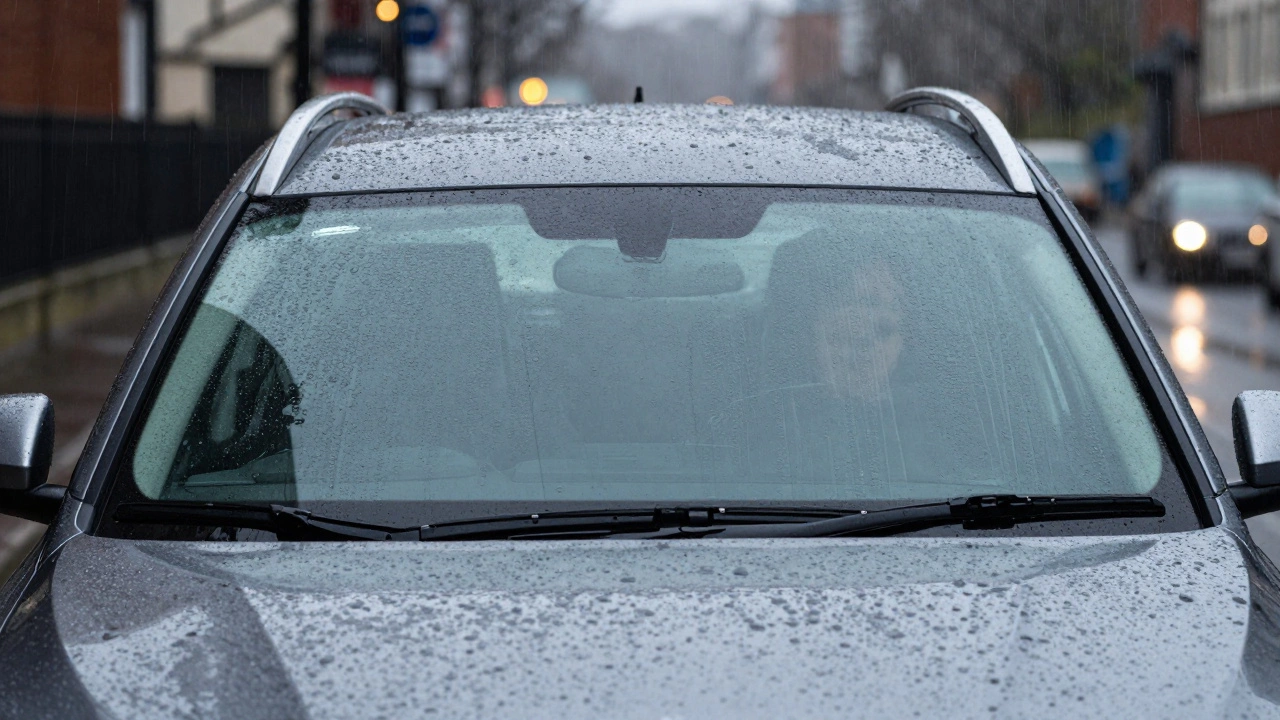
When your car wiper prices, the cost of replacing the blades that clear rain and debris from your windshield. Also known as windshield wipers, they’re one of the most overlooked but critical safety parts in your car. A bad set doesn’t just blur your view—it can turn a light rain into a dangerous situation. Most people don’t think about wipers until they’re streaking or squeaking, but replacing them isn’t just about comfort. It’s about seeing clearly when it matters most.
The wiper blades, the rubber strips that actually sweep the glass. Also known as wiper blades, they’re the part that wears out fastest don’t cost much on their own—often between ₹300 and ₹1,200 for a pair—but the price jumps when you add labor, brand names, or premium features like aerodynamic design or winter-ready rubber. You might pay more for a Bosch or Michelin blade, but that doesn’t always mean better performance. Many budget brands now match OEM quality, especially for Indian road conditions. What really drives cost isn’t the blade itself—it’s where you buy it and whether you install it yourself. A mechanic might charge ₹200–₹500 just to swap them, even though it takes 5 minutes.
And here’s the thing: most people replace wipers too late. They wait until the streaks are unbearable, but damage starts much earlier. Dust, heat, and grime eat away at the rubber long before you notice. If your wipers chatter, skip, or leave smears on dry glass, they’re already failing. Replacing them every 6 to 12 months—especially in dusty cities like Delhi or Mumbai—can save you from risky driving and costly windshield scratches. You can even extend their life by cleaning the glass monthly with vinegar and water, and never using them on a frozen windshield.
What affects car wiper prices the most?
It’s not the brand—it’s the fit. Your car’s make, model, and year determine the exact size and mounting style. A simple mistake in size can mean buying two sets before you get it right. Some cars use a hook-mount system, others use a side-pin or bayonet. Universal blades exist, but they often don’t sit right, causing vibration or uneven wiping. That’s why checking your manual or using a parts lookup tool matters more than chasing the cheapest option.
Also, don’t confuse wiper blades with the whole arm assembly. If the arm is bent or the spring is weak, no new blade will fix it. That’s a separate repair, and it costs more. Most of the posts below focus on how to spot early signs of wear, how to clean the glass properly, and how to avoid common mistakes that shorten blade life. You’ll find real-world advice on what works in Indian weather, how to test your current set, and which brands deliver real value without the markup.
By the time you finish reading these guides, you’ll know exactly how much you should pay, what to watch for when buying, and how to get the most out of every pair—without falling for gimmicks or overpriced labels. The goal isn’t to spend more. It’s to spend smart, so you see clearly, stay safe, and avoid the next expensive repair.
-
1 Dec
- Recent
- Popular