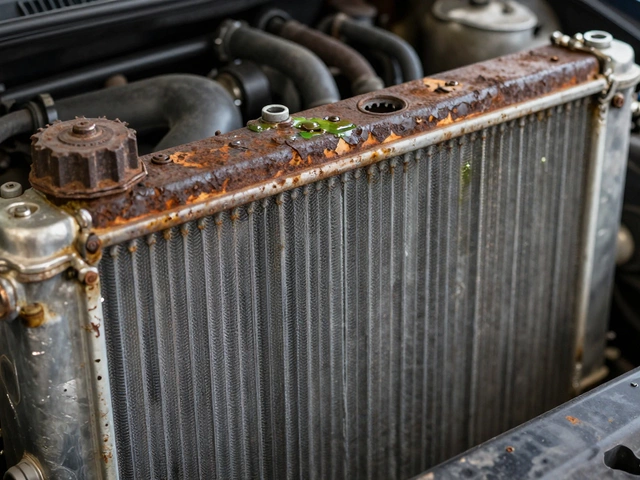
Clutch Problems: Signs, Causes, and What to Do Before It Fails
When your clutch, the component that connects your engine to the transmission so you can shift gears smoothly. Also known as clutch assembly, it's one of the most abused parts in a manual car. starts acting up, it doesn’t just make driving annoying—it can leave you stranded on the side of the road. A worn or burnt clutch doesn’t always scream for help. Sometimes, it just slips quietly, loses engagement, or feels spongy when you press the pedal. If you’ve noticed your car revving without speeding up, or if shifting feels rough or delayed, you’re not imagining it. These are classic clutch problems that won’t fix themselves.
Clutch wear happens fast if you ride the pedal, don’t fully release it before shifting, or frequently use the clutch to hold your car on hills. Over time, the friction material on the clutch disc wears down, and the pressure plate loses tension. That’s when you start hearing grinding noises, smelling burning, or feeling the pedal sink closer to the floor. A burnt clutch, a clutch that’s overheated and glazed from excessive slipping. is expensive to fix, but catching early signs like slipping, strange smells, or difficulty getting into first gear can save you hundreds. And if your clutch pedal feels loose or has too much free play, that’s not normal—it’s a sign your clutch adjustment, the process of setting the correct pedal travel to ensure full engagement. is off. Many people ignore this until the clutch fails completely.
Clutch problems don’t always mean a full replacement. Sometimes, it’s just a cable that needs tightening, air in the hydraulic line, or a worn release bearing. But if you’ve got more than one symptom—slipping, grinding, burning smell, or a pedal that won’t return—it’s likely time for a new clutch kit, the full set of parts including disc, pressure plate, and release bearing.. The good news? You can spot most of these issues yourself. You don’t need a garage to notice if your car hesitates when you accelerate from a stop, or if the engine revs higher than it should without moving. The bad news? Waiting too long can damage the flywheel, which adds big costs to the repair.
What you’ll find below are real, practical guides from drivers who’ve been there. We cover how long clutches actually last, how to tell if yours is failing before it leaves you stuck, what a burnt clutch really costs to fix, and whether you can replace it yourself. No fluff. No theory. Just what you need to know to avoid getting ripped off or stranded. Whether you’re trying to stretch your clutch’s life or preparing for a replacement, these posts give you the facts without the sales pitch.
-
13 Oct
-
7 Jul
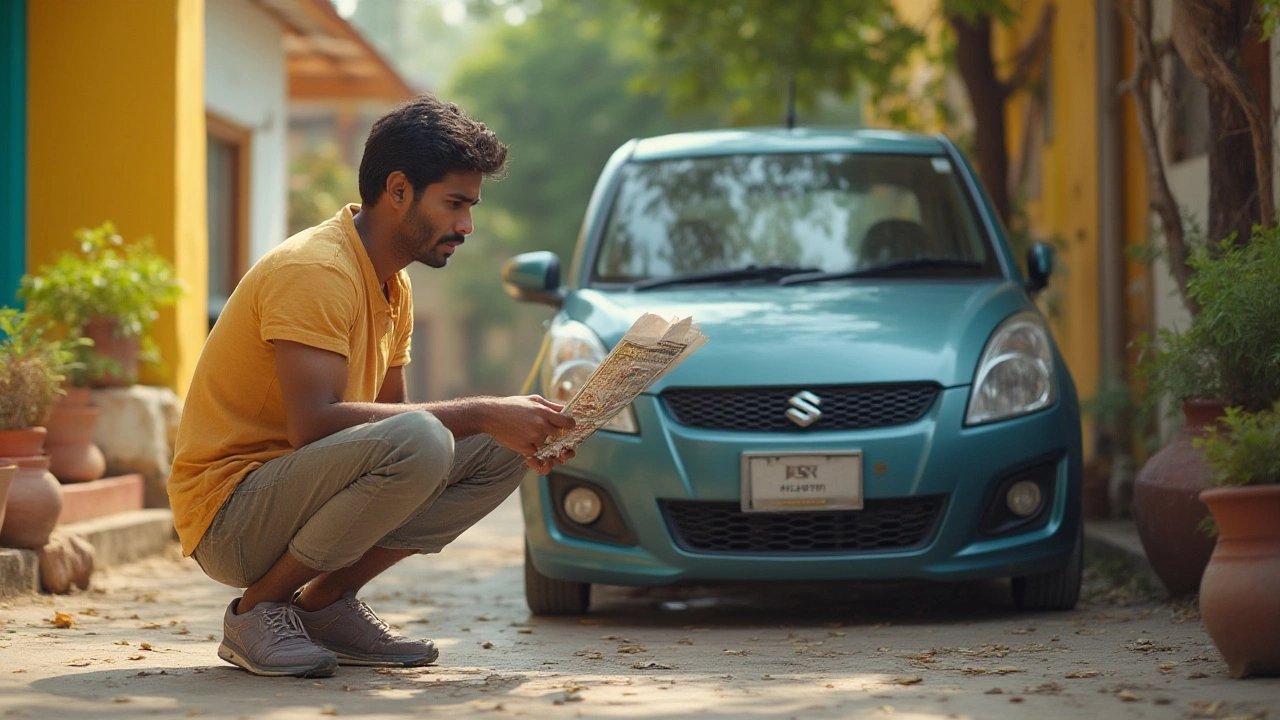
How to Test Your Clutch: Proven Methods to Diagnose Clutch Problems
Learn easy, step-by-step ways to test your clutch at home, spot early signs of clutch problems, and keep your manual transmission running smoothly.
- Recent
- Popular