Engine Damage: Signs, Causes, and How to Avoid Costly Repairs
When your engine damage, the progressive deterioration of internal engine components leading to loss of power, strange noises, or total failure. Also known as engine failure, it rarely happens overnight—it’s the result of ignored warnings, poor maintenance, or bad driving habits. Most people don’t realize their engine is dying until it won’t start. By then, the repair bill often hits thousands. But the signs are there if you know what to look for.
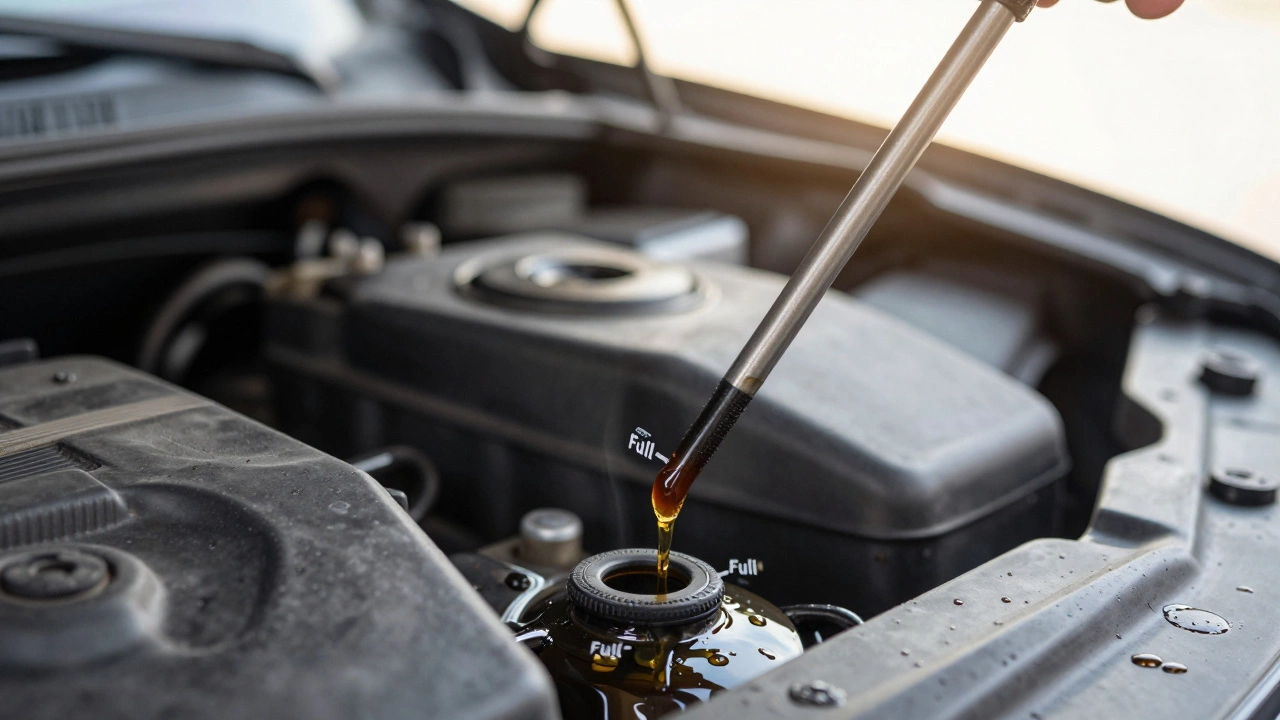
One of the biggest killers of engines is dirty engine oil, oil contaminated with metal particles, sludge, or coolant that loses its ability to lubricate. When oil turns thick and dark, it doesn’t just make your engine run poorly—it grinds away bearings, pistons, and valves. You can spot it by checking the dipstick: if it looks like tar or has metal flakes, you’re already in danger. The overheating engine, a condition where engine temperature rises beyond safe limits due to cooling system failure is another silent killer. A cracked radiator, a failing water pump, or even a clogged air filter can cause your engine to run too hot. Electric cars still need cooling—just differently. Ignoring coolant leaks or strange smells under the hood is like ignoring a warning light on your dashboard: you’re just delaying the crash.
And then there’s the clutch failure, when the clutch disc wears out or burns, causing slippage, grinding, or inability to engage gears. It might seem like a transmission issue, but a burnt clutch puts extra strain on the engine. Every time the clutch slips, the engine works harder, generates more heat, and wears faster. If you’ve been riding the clutch or doing aggressive launches, you’re not just wearing out the clutch—you’re stressing the crankshaft, flywheel, and even the engine mounts. These aren’t separate problems. They’re connected. A bad suspension leads to uneven tire wear, which makes the engine work harder. A clogged air filter reduces airflow, forcing the engine to burn more fuel and overheat. A failing fuel pump starves the engine of fuel, causing misfires that damage cylinders. Everything talks to everything else.
You don’t need to be a mechanic to catch early engine damage. Listen for knocking or ticking. Watch for smoke from the exhaust. Check your oil regularly. Notice if your car takes longer to start or hesitates when you press the gas. These aren’t "just quirks." They’re your engine screaming for help. And the good news? Most engine damage is preventable. Regular oil changes, keeping coolant levels right, avoiding aggressive driving, and fixing small issues before they grow—these simple steps can double your engine’s life.
Below, you’ll find real-world guides from people who’ve been there—how to spot a bad clutch before it kills your engine, why dirty oil is worse than you think, what happens when your radiator fails, and how to avoid the most common mistakes that lead to expensive repairs. No fluff. No theory. Just what actually matters when your engine’s on the line.
-
9 Dec
-
24 Mar

How Your Car Reacts to Running Out of Oil
Running out of oil is a serious issue for any car. It can lead to engine overheating, unusual noises, or even a complete breakdown. Understanding how your car behaves without oil can help you spot early warning signs and avoid costly repairs. Regular oil checks should be a part of every car owner's maintenance routine to ensure smooth driving and long-term vehicle health.
- Recent
- Popular