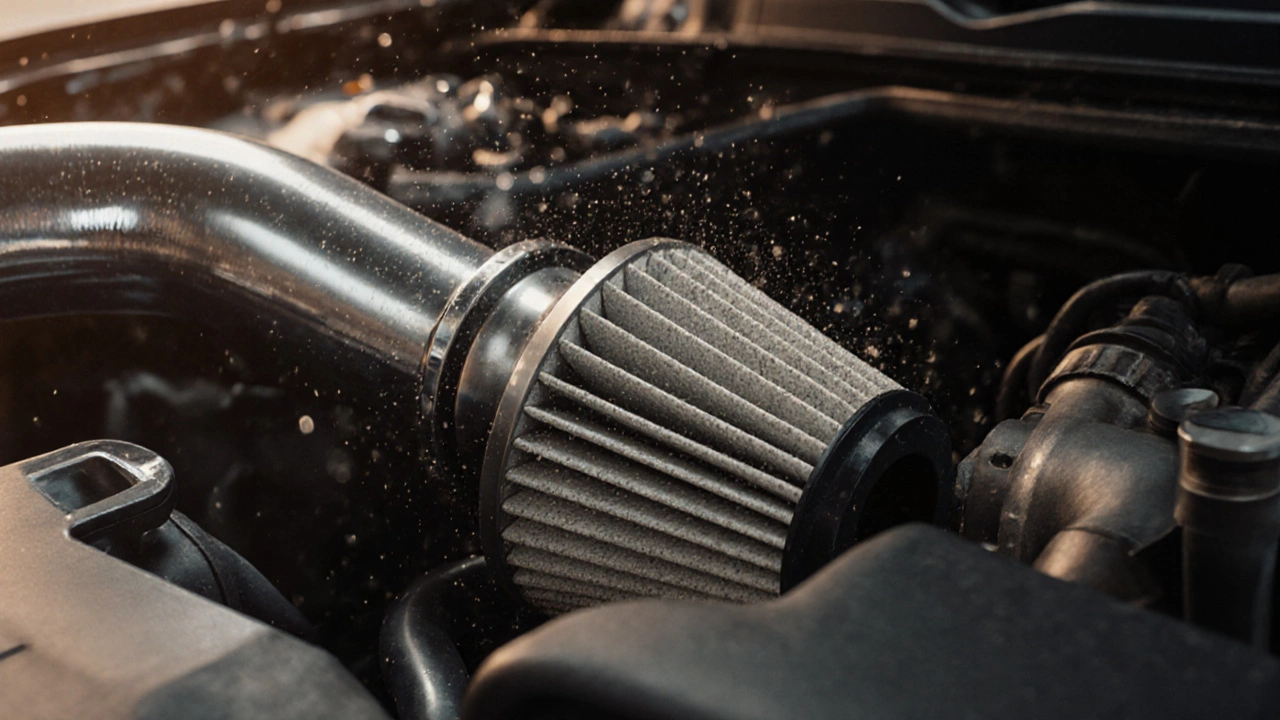
Engine Filtration: What It Is, Why It Matters, and What You Need to Know
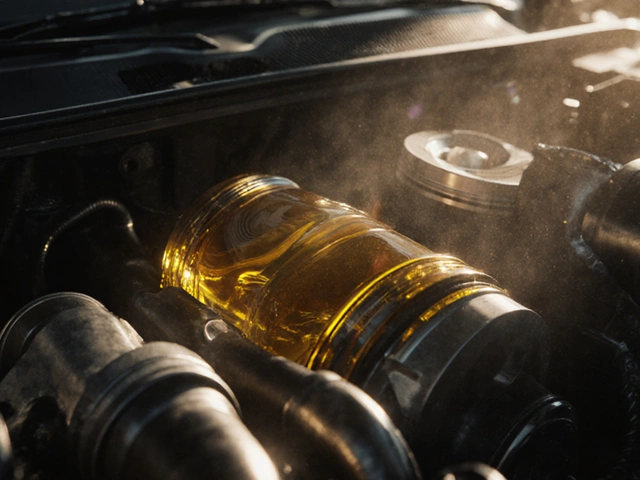
When you think about your car’s health, you probably focus on the engine—but engine filtration, the system that cleans air and oil before they enter the engine. Also known as air and oil filtration, it’s the silent guardian that keeps your engine from choking on dirt, dust, and debris. Without it, even the best engine will wear out fast. Think of it like your lungs: if you breathe in smoke and dust every day, you’ll get sick. Your engine doesn’t have a choice—it’s always breathing in whatever’s around it. And if the filters fail, that gunk goes straight into the cylinders, valves, and bearings.
Air filters, the first line of defense against dust and pollen keep the air going into your engine clean. A clogged air filter doesn’t just reduce power—it makes your engine work harder, burning more fuel. You might not notice it until your mileage drops, but the damage builds up slowly. Then there’s the oil filter, which traps metal shavings and sludge from circulating oil. If this filter gets full, dirty oil flows back into the engine, grinding parts together. That’s how you get a seized engine—not from one big failure, but from years of ignoring small things.
And don’t forget the cabin air filter, the filter that cleans the air inside your car’s cabin. It’s not part of the engine, but it’s often grouped with engine filtration because it’s the same system that keeps your car running clean. A dirty cabin filter doesn’t just make your car smell bad—it can clog your AC, reduce airflow, and even trigger allergies. People ignore it until they’re sneezing in traffic, but replacing it takes two minutes and costs less than a coffee.
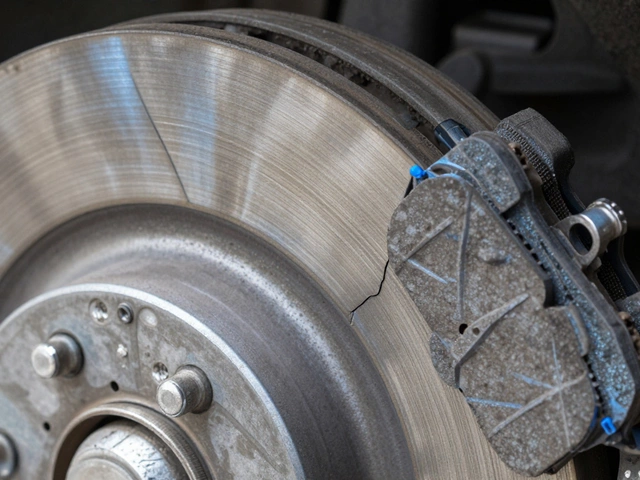
Engine filtration isn’t glamorous. You won’t see it on Instagram. But every post here—from checking worn brake pads to diagnosing a failing fuel pump—starts with clean air and clean oil. If your filters are bad, no amount of tuning, new spark plugs, or exhaust mods will fix the real problem: your engine is being poisoned. You’ll see posts about oil contamination, fuel pump failures, and clutch wear—all of which trace back to poor filtration. A dirty air filter can cause misfires. A clogged oil filter can lead to burnt clutches. It’s all connected.
You don’t need to be a mechanic to check your filters. Open the hood. Look for the black plastic box near the engine—that’s your air filter housing. Pull it out. If it’s brown or caked with dust, replace it. Same with the oil filter: if you haven’t changed it in the last oil change, you’re already behind. Most people wait until something breaks. But the smart ones know: engine filtration is the cheapest insurance you’ll ever buy.
Below, you’ll find real-world guides on what happens when filters fail, how to spot the signs early, and how to save money by doing simple checks yourself. No fluff. No theory. Just what you need to know to keep your car alive longer.
-
17 Oct
- Recent
- Popular