Engine Issues: Common Signs, Causes, and How to Fix Them
When your engine issues, problems that affect how your car’s engine runs, from misfires to complete failure. Also known as car engine problems, they often start small but grow fast if ignored. Most people wait until the engine won’t start—or worse, it dies on the highway—before they act. But the real signs show up long before that. A faint whine when you turn the key, a smell of burnt oil, or a sudden drop in power aren’t just "odd noises." They’re your car trying to tell you something.
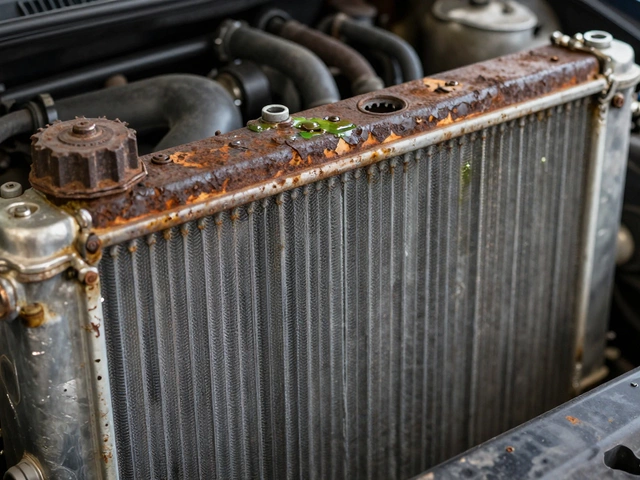
One of the most common causes? dirty engine oil, oil that’s thick, dark, and full of debris that stops it from lubricating properly. This isn’t just about changing oil on schedule—it’s about preventing internal wear that leads to expensive repairs. Then there’s fuel pump failure, when the pump can’t deliver enough fuel to keep the engine running smoothly. You’ll notice it as sputtering at high speeds or the engine dying under load. And don’t forget the radiator problems, overheating caused by leaks, clogs, or failing fans. Even electric cars need cooling systems, and ignoring radiator issues can fry your engine in minutes.
Clutch problems often get mistaken for engine issues, but they’re a separate system that directly affects how power gets to the wheels. A slipping clutch, a pedal that feels spongy, or grinding when shifting aren’t just annoying—they’re early warnings of a failing bad clutch, a worn or damaged clutch assembly that can’t engage or disengage properly. If you’ve ever felt the engine rev but the car doesn’t accelerate, that’s not the engine. That’s the clutch giving up. These problems don’t happen overnight. They build up from habits: short trips that never let the engine warm up, skipping oil changes, or driving with a worn clutch to save money. All of it adds up.
What you’ll find in the posts below isn’t theory. It’s what real car owners in India have seen—sounds they couldn’t ignore, costs they didn’t expect, and fixes that actually worked. You’ll learn how to spot a failing fuel pump by its noise, why dirty oil can kill your engine faster than you think, and whether that weird rattle under your car is the suspension or something worse. No fluff. No guesswork. Just clear signs, real costs, and what to do next—before you’re stranded.
-
4 May
-
14 Apr

What Happens if I Drive with Bad Spark Plugs?
Driving with bad spark plugs can lead to several issues that affect your car's performance, fuel efficiency, and overall health. In this article, we'll explore the immediate and long-term impacts of neglecting spark plug maintenance. You'll discover how faulty spark plugs can reduce power, increase fuel consumption, and even cause engine damage. Learn how to recognize the symptoms of bad spark plugs and find out why regular replacement is essential for smooth driving. -
15 Jan

Understanding and Preventing Fuel Pump Failures
Fuel pump failure can leave drivers in a sticky situation, causing their cars to sputter and stall. Understanding the common causes of these issues is crucial for preventative maintenance and avoids unexpected breakdowns. From clogs and contamination to overheating and aging, identifying symptoms early can save time and costs. This article explores typical fuel pump failures, tips for prevention, and when to consult a professional mechanic.
- Recent
- Popular