Windshield wipers are one of those parts you only notice when they fail. A streaky, squeaky blade can turn a light rain into a dangerous blur. But here’s the truth: most wipers die way too early-not because they’re cheap, but because they’re neglected. You don’t need to replace them every six months. With simple care, you can stretch their life to two years or more, even in the UK’s wet, gritty climate.
Don’t Let Dirt Eat Your Blades
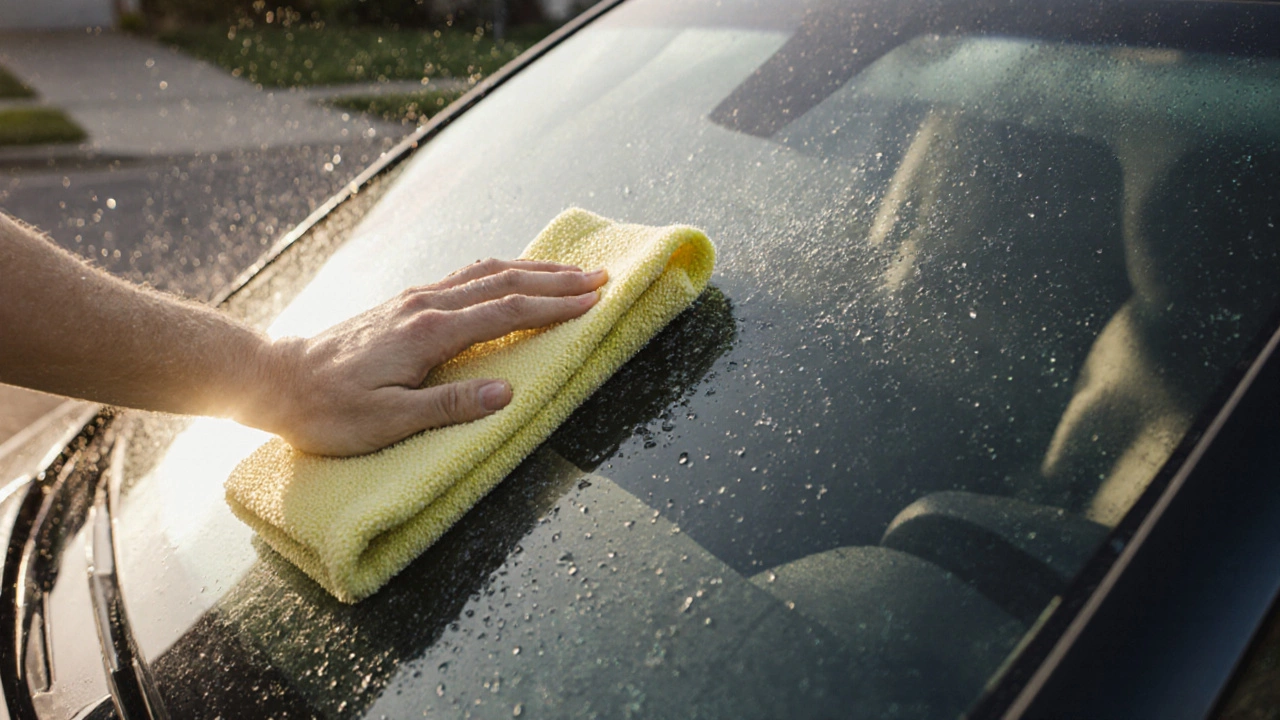
Dirt isn’t just annoying-it’s abrasive. Every time you swipe a dirty windshield, you’re grinding sand, pollen, and road grime across the rubber edge. That’s what causes the streaks and chatter. The fix? Clean your windshield before you use the wipers.Use a microfiber cloth and a bit of glass cleaner. Wipe down the whole surface, especially the bottom edge where grime builds up. Do this weekly in spring and autumn, and monthly in winter. If you’ve just driven through a construction zone or dusty road, clean it right away. A clean glass means less friction, less wear, and no unnecessary strain on the wiper motor.
Keep the Blades Clean Too
Your wiper blades collect the same gunk they’re supposed to remove. Over time, that builds up on the rubber edge. You’ll see it as a greasy film or tiny bits of dried bugs and leaves stuck to the blade.Every month, wipe the rubber strip with a damp cloth soaked in isopropyl alcohol. Don’t use regular window cleaner-it leaves residue. Alcohol cuts through oil and grime without damaging the rubber. Gently run the cloth along the entire length of the blade, from end to end. Do this while the wipers are off and the arm is lifted. It takes 30 seconds, and it stops premature cracking.
Avoid Using Wipers on a Frozen Windshield
This is the #1 killer of wiper blades in the UK. If ice or snow is stuck to your windshield, never turn on the wipers. The rubber will tear, the arms can bend, and you might even snap the motor.Instead, use a proper ice scraper. Start from the top and work down. Once the bulk is off, turn on the defroster and let the rest melt. If you’re in a hurry, spray de-icer directly on the glass-wait 30 seconds, then wipe with a cloth. Never let the wipers do the job of a scraper. Even one freeze-thaw cycle can ruin a good blade.
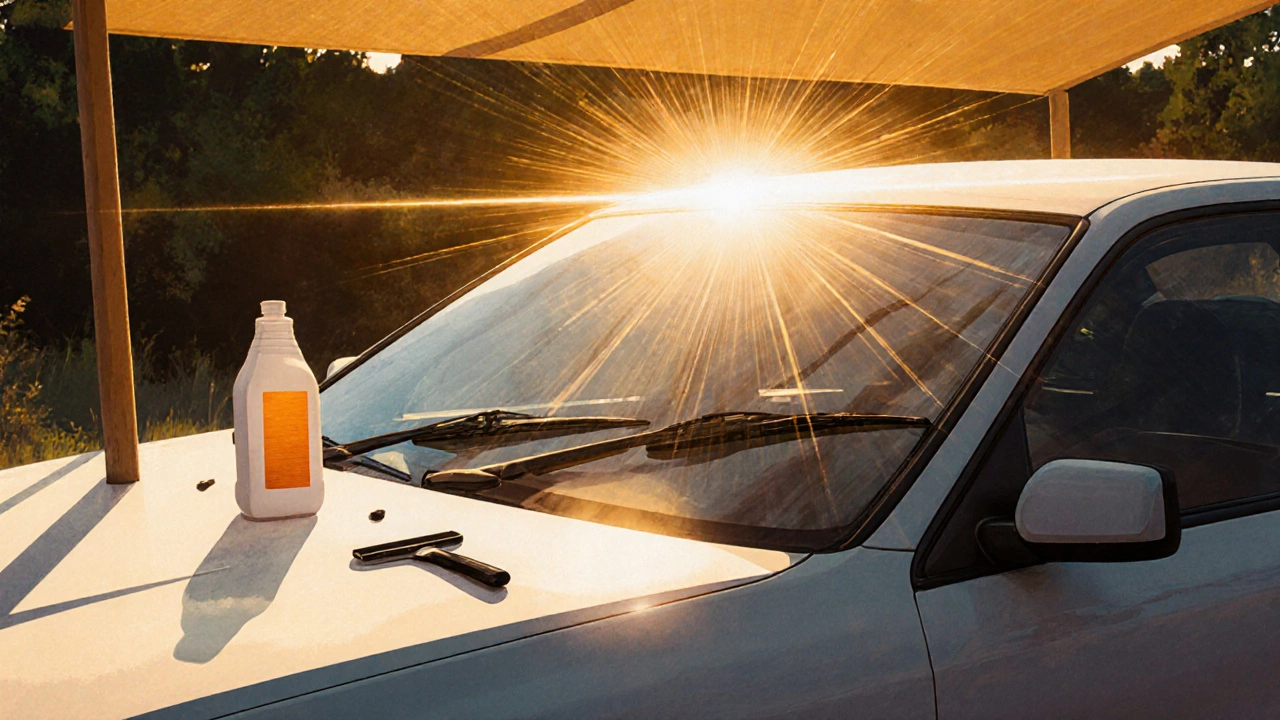
Park in the Shade When You Can
Sunlight is the silent enemy. UV rays break down the rubber over time. Even on cloudy days, the sun’s still there, slowly aging the material. If you park outside, try to face the car so the windshield gets less direct sun.Garage parking is ideal, but if you don’t have one, use a sunshade. It doesn’t have to be fancy-just something that blocks light from hitting the glass. You’d be surprised how much this slows down rubber hardening. A blade that’s still flexible after two winters isn’t luck-it’s protection.
Check the Wiper Arms for Proper Pressure
A wiper blade doesn’t work unless the arm presses it evenly against the glass. If one side lifts or skips, the pressure is wrong. That’s usually caused by a bent arm or worn spring.Test it by lifting the arm off the windshield and letting it drop. It should land gently and stay in contact. If it bounces or doesn’t touch the glass in the middle, the spring is weak. You can sometimes adjust the tension by bending the arm slightly with pliers-but only if you know what you’re doing. If it’s bent or corroded, replace the arm. A bad arm wears out blades fast, and you’ll keep buying new ones for nothing.
Use the Right Fluid
Never use plain water in your washer reservoir. Tap water has minerals that leave deposits on the glass and clog the nozzles. Worse, it freezes in winter and can crack the reservoir.Always use proper windscreen washer fluid. In the UK, go for one rated to -10°C or lower. It contains surfactants that help break down bugs and road film, and antifreeze that keeps it flowing. Top it up every few weeks. A clean spray helps the wipers glide smoothly, reducing friction and extending blade life.
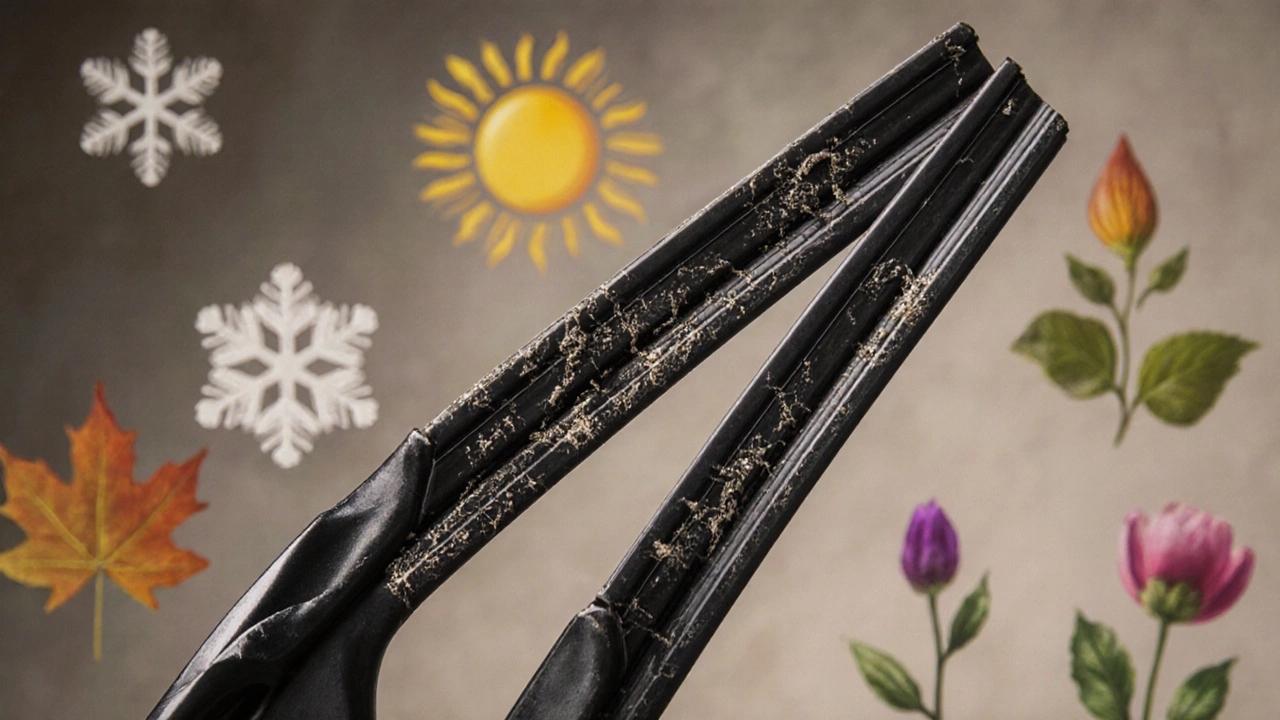
Replace Them Before They Fail
Even with perfect care, rubber wears out. Don’t wait for the streaks to get unbearable. Check your blades every spring and autumn. Look for:- Cracks or splits in the rubber
- Chipped or hardened edges
- Missing sections where the rubber has peeled away
- Blades that jump or chatter on dry glass
If you see any of these, replace them. Don’t wait for the next rainstorm. Good wipers cost £15-£25 a pair. A new set gives you clear vision and peace of mind. And if you replace them before they’re completely dead, you’ll get two full seasons out of them instead of one.
Seasonal Routine: A Simple Checklist
Here’s what to do, when:- Spring: Clean blades with alcohol. Check for cracks. Top up washer fluid. Replace if worn.
- Summer: Use sunshade. Keep windshield clean. Avoid wiping dry glass.
- Autumn: Clean again. Remove leaves and pollen buildup. Check arm pressure.
- Winter: Never use wipers on ice. Use de-icer. Keep fluid at -10°C rating. Lift blades off the glass overnight if freezing.
That’s it. Five minutes a season, and you’ll avoid the panic of bad visibility in a downpour. Most people replace wipers every year. With this routine, you’ll only need to buy two pairs every three years.
What Doesn’t Work
There are a lot of myths out there. Don’t waste your time on:- Rubbing conditioner on blades: It attracts dust and makes streaks worse.
- Using vinegar or lemon juice: These are acidic and can degrade rubber over time.
- Buying the cheapest blades: Budget blades use low-grade rubber. They harden faster and don’t clear water well.
- Waiting until they fail: By then, you’ve already driven with poor visibility for weeks.
Stick to the basics: clean glass, clean blades, proper fluid, and no ice abuse. That’s all you need.
How often should I replace my windshield wipers?
Most manufacturers recommend replacing wipers every 6 to 12 months. But with good care-cleaning the blades and windshield, avoiding ice, and parking in shade-you can easily stretch that to 18-24 months. Replace them when you see cracks, skipping, or streaking, not just by the calendar.
Can I clean my wiper blades with soap and water?
You can use mild soap and water for light cleaning, but it won’t remove oil or road grime effectively. Isopropyl alcohol is better-it dissolves grease without leaving residue. Just wipe the rubber edge gently. Avoid soaking the whole blade or getting water into the metal frame.
Why do my wipers squeak even after replacing them?
Squeaking after a new install usually means the windshield is still dirty or the wiper arms aren’t applying even pressure. Clean the glass thoroughly with alcohol, then check the arm tension. If the arm is bent or the spring is weak, the new blade won’t work properly. Also, make sure you didn’t touch the rubber edge with your fingers-oils from skin can cause streaking.
Is it better to lift wipers off the windshield in winter?
Yes, especially if you expect freezing overnight. If the blades freeze to the glass, the rubber can stick and tear when you turn them on. Lifting them slightly prevents this. You don’t need to remove them-just pull them up a few inches so they’re not touching the glass. Covering them with a towel can help too.
Do premium wiper blades last longer?
Yes, but not because they’re expensive. Premium blades use higher-grade rubber with UV inhibitors and a graphite coating that reduces friction. They’re designed to stay flexible in cold weather and resist cracking. Brands like Bosch, Michelin, and Rain-X last longer and perform better in heavy rain. You’ll pay more upfront, but you’ll replace them less often.