Engine Lubrication: What You Need to Know About Oil, Components, and Longevity
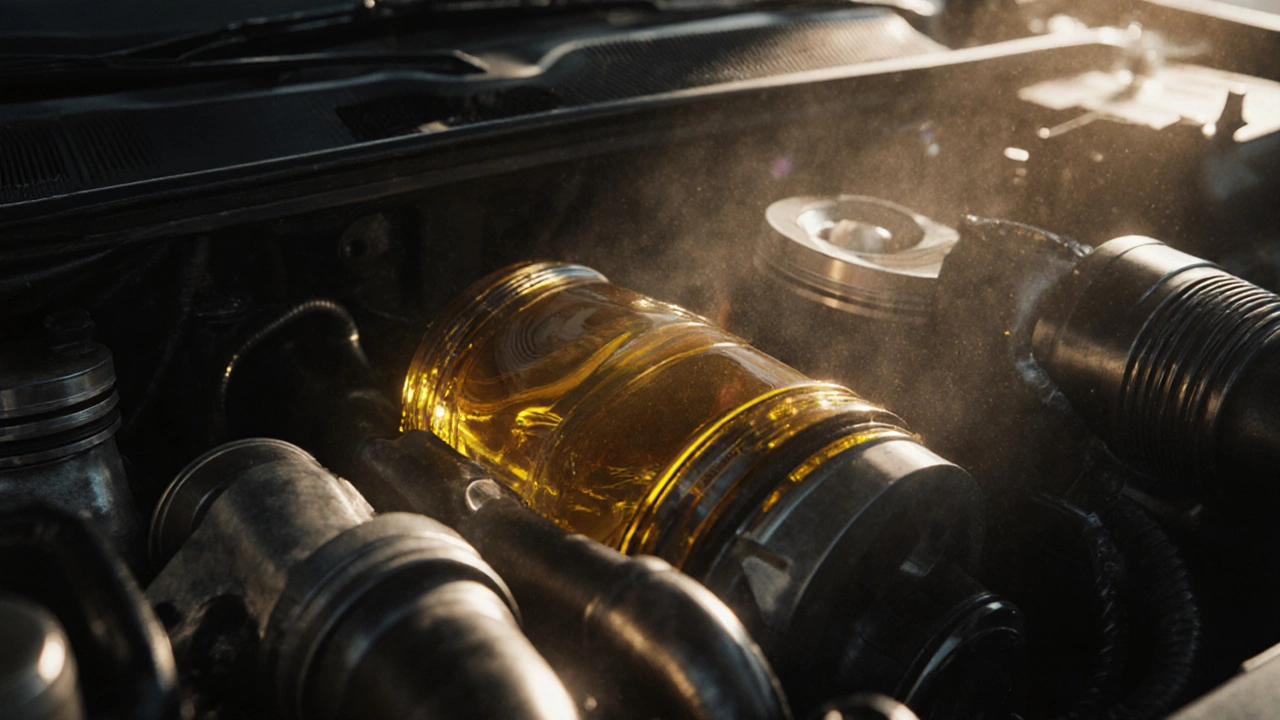
When your engine runs, engine lubrication, the system that reduces friction between moving metal parts using oil. Also known as motor oil system, it’s what keeps your engine from tearing itself apart under heat and pressure. Without it, pistons scrape against cylinders, bearings seize, and valves snap. It’s not just about adding oil—it’s about keeping the right oil, in the right place, at the right time.
Engine oil, a specially formulated fluid designed to protect internal engine parts does way more than just reduce friction. It cools hot spots, cleans sludge, seals gaps between rings and cylinders, and prevents rust. Over time, oil breaks down, picks up metal shavings, and loses its ability to flow properly. That’s why oil change, the routine process of draining old oil and replacing it with fresh isn’t optional—it’s your engine’s lifeline. Skipping it leads to engine wear, the gradual damage caused by friction when lubrication fails, which shows up as knocking noises, poor fuel economy, or worse—total engine failure.
Not all oils are the same. Oil viscosity—how thick or thin it flows at different temperatures—matters. Using the wrong grade can cause poor cold-start protection or thinning under heat. Modern engines need synthetic blends for better performance and longer intervals, but older cars often do better with conventional oil. Check your manual. Don’t guess. And don’t ignore the warning lights. A low oil pressure light isn’t a suggestion—it’s a scream.
You’ll find posts here that dig into dirty oil symptoms, how clutch problems can be tied to oil pressure, and why even electric cars need cooling fluids that act like lubricants in places you’d never expect. Some articles show you how to spot worn bearings before they cost you thousands. Others explain why skipping an oil filter change is like letting dirt into your bloodstream. This isn’t theory. It’s what happens when lubrication fails—and how to stop it before it’s too late.
-
28 Nov
- Recent
- Popular
-
 Car Radiators: Is Replacing Your Old Radiator Worth It?
Jun 23 2025
Car Radiators: Is Replacing Your Old Radiator Worth It?
Jun 23 2025
-
 How to Choose the Right Wiper Blades for Your Car Easily
Jul 29 2025
How to Choose the Right Wiper Blades for Your Car Easily
Jul 29 2025
-
 What Helps a Bad Fuel Pump?
Feb 11 2025
What Helps a Bad Fuel Pump?
Feb 11 2025