Engine Oil Problems: Signs, Causes, and What to Do Next
When your engine oil, the lifeblood of your car’s engine that reduces friction, cools parts, and cleans debris. Also known as motor oil, it keeps your engine running smoothly—until it doesn’t. Ignoring engine oil problems is like ignoring a warning light on your dashboard: you might make it to the next gas station, but what happens after that? Many drivers wait until the engine starts knocking or stalls before acting. By then, it’s too late. The real issue isn’t just low oil—it’s what’s happening inside the engine while you’re driving with bad or dirty oil.
Engine oil problems usually show up in four ways: low oil pressure, a warning that your oil isn’t flowing right, often caused by worn bearings or a failing oil pump, oil leaks, visible drips under your car or oil stains on the engine, engine oil consumption, when your car burns oil faster than it should, often due to worn piston rings or valve seals, and dirty engine oil, thick, black sludge that clogs passages and stops lubrication. These aren’t random issues—they’re connected. Dirty oil wears out parts faster, which causes leaks and increases consumption. Low pressure means the oil isn’t reaching critical parts like the camshaft or turbocharger, and that’s when expensive damage starts.
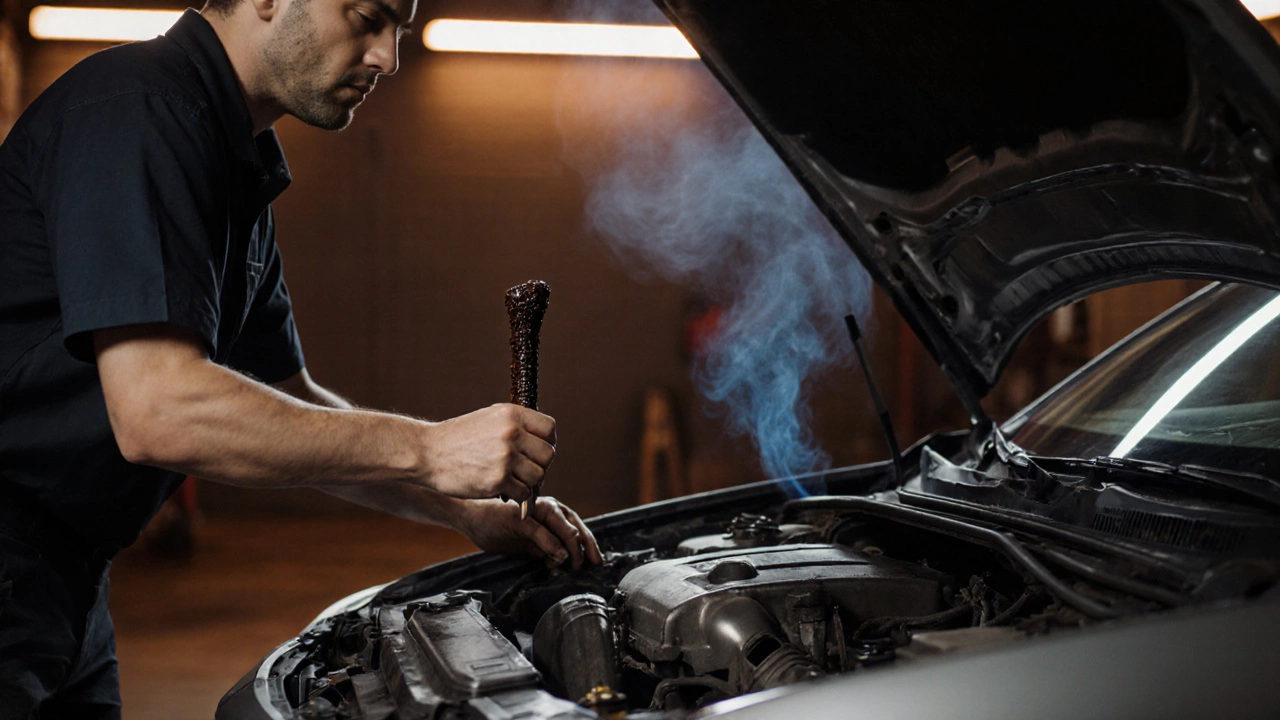
You don’t need a mechanic to spot most of these signs. Check your dipstick monthly—dark, gritty oil means it’s time for a change. Look under your car for puddles after parking. Listen for ticking or knocking noises when you start the engine, especially in cold weather. If your oil light comes on—even briefly—stop driving. A $5 oil change beats a $5,000 engine rebuild every time. And if you’re using the wrong oil grade for your climate or driving style, you’re setting yourself up for trouble. In India’s heat, synthetic oils hold up better than conventional ones, especially in stop-and-go traffic.
What you’ll find below are real stories from drivers who ignored these signs—and what they learned the hard way. You’ll also find clear guides on how to check oil levels, identify leak sources, pick the right oil for your car, and know when to replace the oil pump or seals. No fluff. No theory. Just what works.
-
24 Oct
- Recent
- Popular