Engine Performance: What Affects It and How to Fix Common Issues
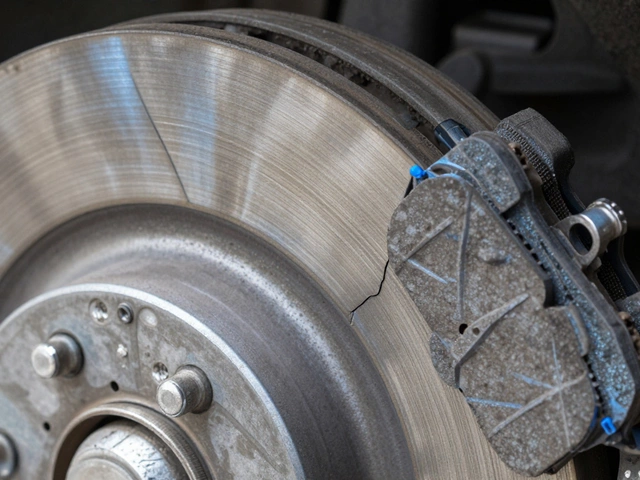
When we talk about engine performance, how well a car's engine delivers power, responsiveness, and efficiency under normal driving conditions. Also known as vehicle power output, it's not just about how fast you can accelerate—it's about whether your car starts smoothly, runs without hesitation, and doesn't waste fuel just to keep moving. Many people think horsepower numbers tell the whole story, but real engine performance depends on a chain of parts working together. A weak clutch, the component that connects the engine to the transmission and allows smooth gear changes can make even a powerful engine feel sluggish. If your clutch is slipping or wearing out, the engine revs but the car doesn’t move like it should. That’s not a transmission problem—it’s engine performance failing because the power isn’t getting where it needs to go.
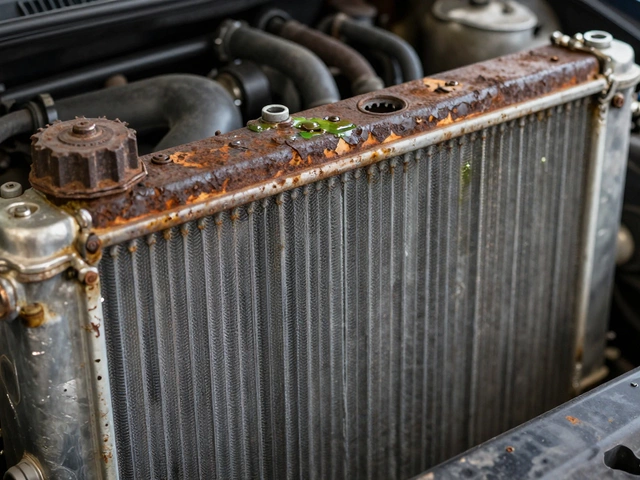
Then there’s the radiator, the system that keeps the engine from overheating by circulating coolant. Modern cars still rely on them—even electric ones. Skip radiator maintenance, and your engine starts running hot. That triggers protective limits: the ECU cuts power, reduces throttle response, and you lose acceleration. Suddenly, your engine feels weak, even though the oil is full and the spark plugs are new. A clogged air filter? Same thing. Less air means less fuel can burn cleanly, and that drops torque. You might not see a warning light, but you’ll feel it when climbing hills or merging onto highways.
And don’t forget the fuel pump, the part that pushes gasoline from the tank to the engine at the right pressure. A failing pump doesn’t always die suddenly. It starts by sputtering at high speeds or struggling to start after sitting overnight. That’s engine performance dropping because the fuel supply is inconsistent. Even a poorly tuned exhaust system, the pathway that carries burned gases out of the engine can hurt performance. A 2-into-1 exhaust might sound cool, but if it’s not matched to your engine’s airflow, it can kill low-end torque. You gain a few horsepower at high RPMs, but lose driveability in traffic—where you actually use the car.
Engine performance isn’t magic. It’s physics, timing, and balance. Every part listed above—clutch, radiator, fuel pump, exhaust, even air filters—plays a role. When one fails, the whole system feels it. That’s why you’ll find posts here on worn clutches, bad radiators, failing fuel pumps, and exhaust tweaks. These aren’t random fixes. They’re direct links to how your engine actually performs day to day. You don’t need to be a mechanic to spot the early signs. You just need to know what to listen for, feel for, and watch for. Below, you’ll find real-world guides on exactly that: how to tell if your clutch is dying, why your radiator might be failing, what a bad fuel pump sounds like, and whether that new exhaust actually helps—or hurts. No fluff. No hype. Just what works.
-
16 Jan
-
2 Dec
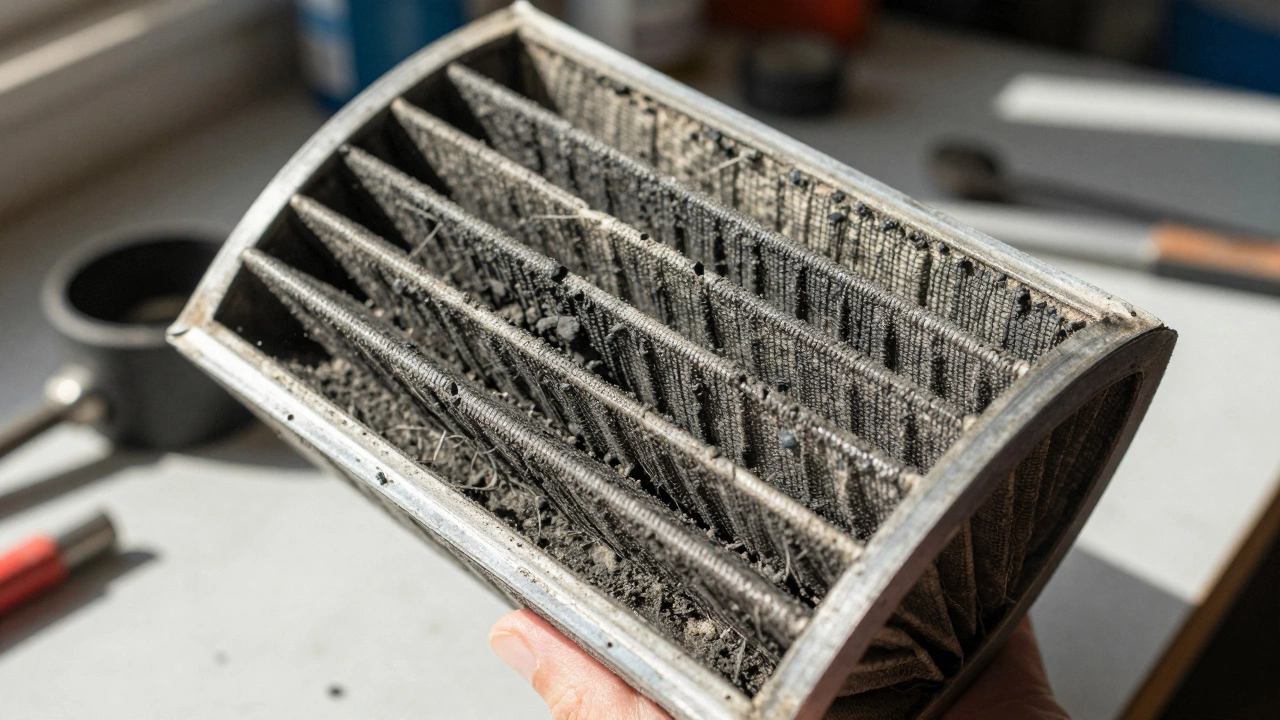
Will I Notice a Difference with a New Air Filter? Real Results You Can Feel
Replacing a dirty air filter can improve engine performance, fuel efficiency, and throttle response. Learn when you'll actually notice the difference and how to tell if yours needs changing. -
11 Oct
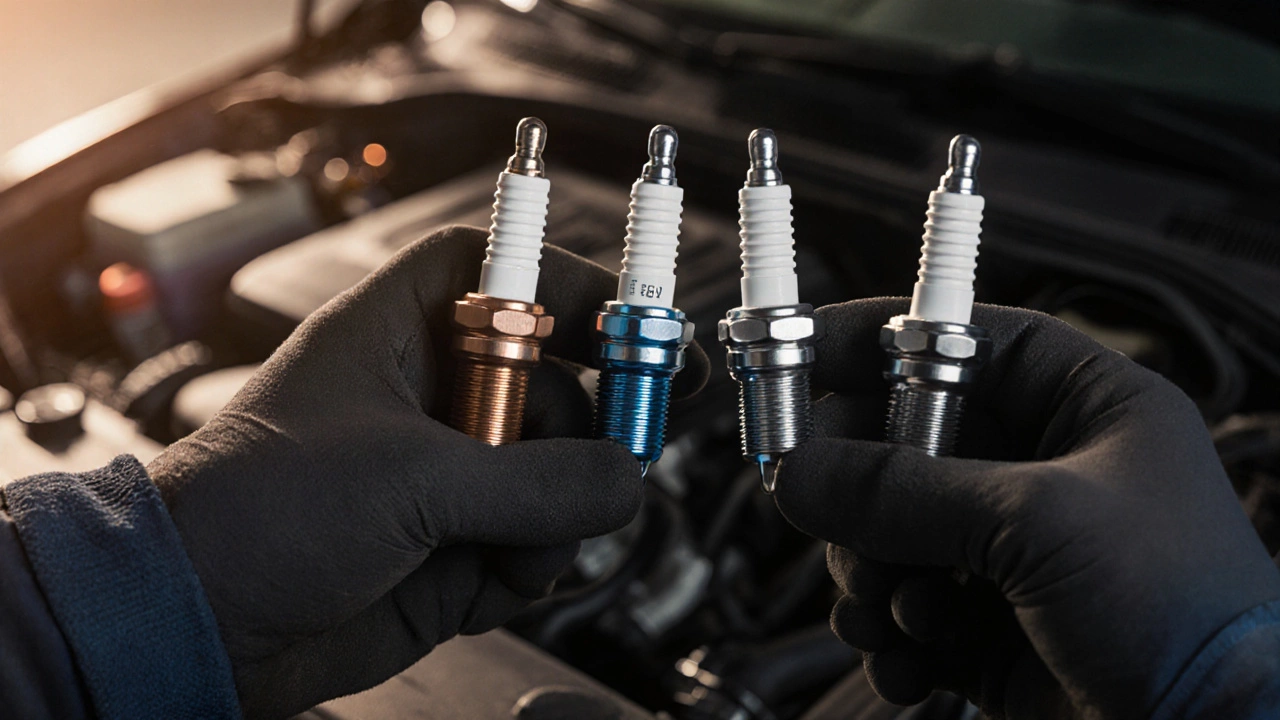
Do Spark Plugs Boost Horsepower? Fact vs. Myth
Find out if swapping spark plugs can actually add horsepower, which plug types give the biggest lift, and how to install them for real gains. -
20 Jul

How Often Should You Change Your Air Filter? Car Air Filter Replacement Guide
Learn how often you should change your air filter, why it matters, and practical tips for better engine performance. Easy, detailed, and packed with real-world advice you can use. -
31 Mar
Do Spark Plugs Affect Your Car's Exhaust?
Understanding how spark plugs influence your car's exhaust can help improve engine performance. This article explores the role of spark plugs in the exhaust process, shedding light on their impact on emissions, fuel efficiency, and engine health. We provide practical tips for maintaining spark plugs for better exhaust outcomes. Dive into the mechanics of spark plugs and how they are crucial to a well-running vehicle.
- Recent
- Popular