Engine Wear: Signs, Causes, and How to Prevent Costly Damage
When your engine starts losing power, making strange noises, or burning oil faster than usual, you're not just dealing with old age—you're seeing the effects of engine wear, the gradual breakdown of internal engine components due to friction, heat, and lack of proper maintenance. Also known as internal engine degradation, it doesn’t happen overnight. It’s the quiet result of skipped oil changes, dirty air filters, and ignoring warning signs until it’s too late.
Engine wear doesn’t happen in isolation. It’s tied directly to dirty engine oil, oil that’s lost its ability to lubricate and has turned into sludge. When oil turns thick and dark, it doesn’t just coat parts—it grinds them down. That’s why symptoms like engine knocking, increased exhaust smoke, or oil leaks often show up together. And it’s not just oil. A failing clutch, a component that transfers engine power to the transmission, can also cause extra strain on the engine. If you’re riding the clutch or frequently slipping it, you’re not just wearing out the clutch—you’re overloading the crankshaft, bearings, and even the flywheel. These aren’t separate problems. They’re connected.
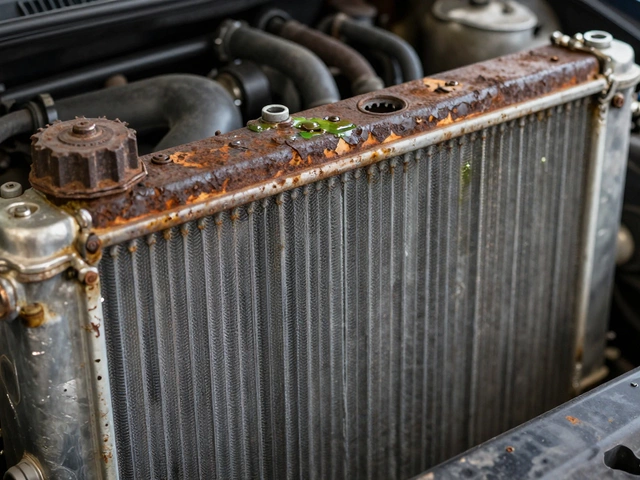
Engine wear also links to how your cooling system performs. A clogged radiator or low coolant doesn’t just make your engine overheat—it accelerates wear on pistons, cylinder walls, and head gaskets. Even something as simple as a dirty air filter can force your engine to work harder, pulling in dust and debris that scratch internal surfaces. You wouldn’t run a lawnmower without an air filter. Why do it in your car?
What makes engine wear dangerous isn’t the noise or the smoke—it’s how easily you can ignore it. Many drivers think if the car still starts, it’s fine. But by the time you hear knocking or see blue smoke, you’re already in expensive territory. Replacing worn bearings or pistons can cost more than a new engine. The good news? Most of this damage is preventable. Regular oil changes, checking coolant levels, listening for unusual sounds, and replacing filters on schedule can stretch your engine’s life by tens of thousands of miles.
Below, you’ll find real-world guides that show you exactly how to spot early signs of engine wear, what to check when your oil looks bad, how clutch problems can feed into engine stress, and why ignoring your radiator might be the worst mistake you make. No fluff. No guesses. Just what actually happens inside your engine—and how to stop it before it breaks.
-
15 Jul
- Recent
- Popular