Fuel Efficiency: How to Get More Miles from Every Tank
When you think about fuel efficiency, how far your car can go on a single tank of gas. Also known as mileage, it's not just about the engine—it's the whole system working together. A car that gets great fuel efficiency doesn’t need fancy tech. It needs clean air, smooth brakes, healthy oil, and a fuel pump that doesn’t quit halfway through your commute.
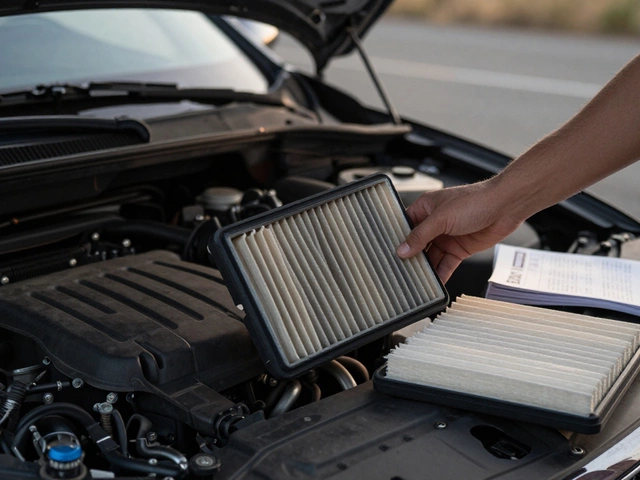
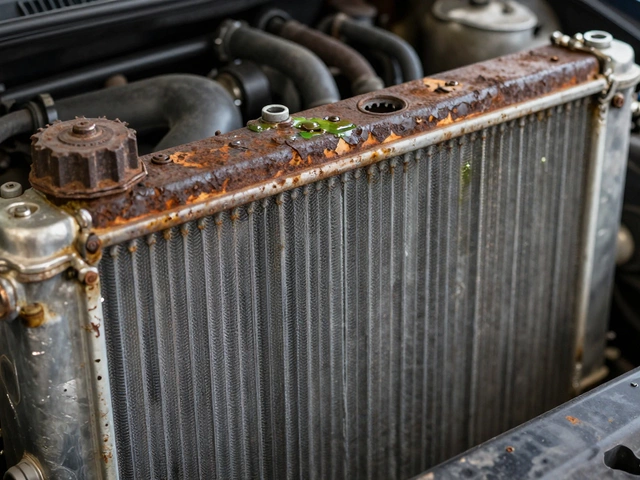
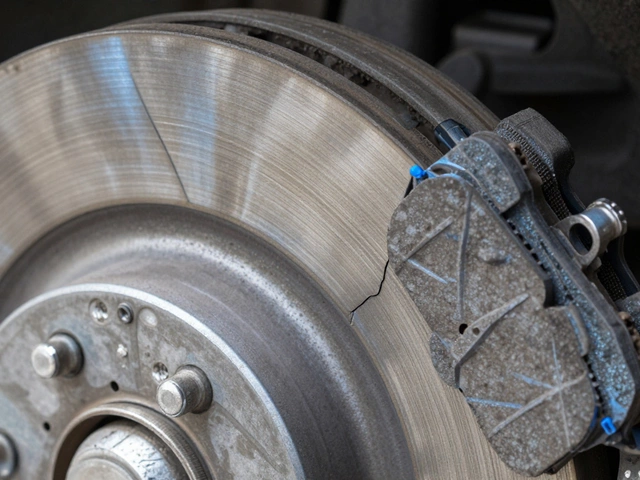
Think about your air filter, the part that stops dirt from clogging your engine. A clogged one forces your engine to work harder, burning more fuel just to breathe. Same with brake pads, the parts that slow your car down. If they’re dragging—even a little—your tires are fighting constant resistance. That’s wasted fuel. And don’t ignore your engine oil, the lifeblood that keeps moving parts from grinding. Old, dirty oil increases friction. More friction means more fuel burned to keep the same speed.
Your fuel pump, the device that pushes gas from the tank to the engine, doesn’t always scream when it’s failing. Sometimes it just gets weak. You notice it as hesitation on the highway, or your car sputtering uphill. That’s not just annoying—it’s costing you extra gas every time you drive.
None of these parts work in isolation. Fixing one thing won’t turn your SUV into a hybrid, but doing all the small things right? That’s how you get 10, 15, even 20% more miles per tank. It’s not magic. It’s maintenance. It’s knowing when your wiper blades are worn out (yes, even that affects aerodynamics a little) or when your suspension is dragging your car down. Every little drag adds up.
You’ll find posts here that break down exactly how much brake pads cost to replace, why dirty oil kills your mileage, what a failing fuel pump sounds like, and how often your air filter needs swapping. No guesswork. No marketing hype. Just real, tested facts from people who’ve seen these problems firsthand on Indian roads—where heat, dust, and traffic make fuel efficiency even harder to hold onto.
What you’re about to read isn’t about buying a new car. It’s about making the one you have last longer and cost less. And that’s worth more than any sales pitch.
-
16 Jan
-
2 Dec
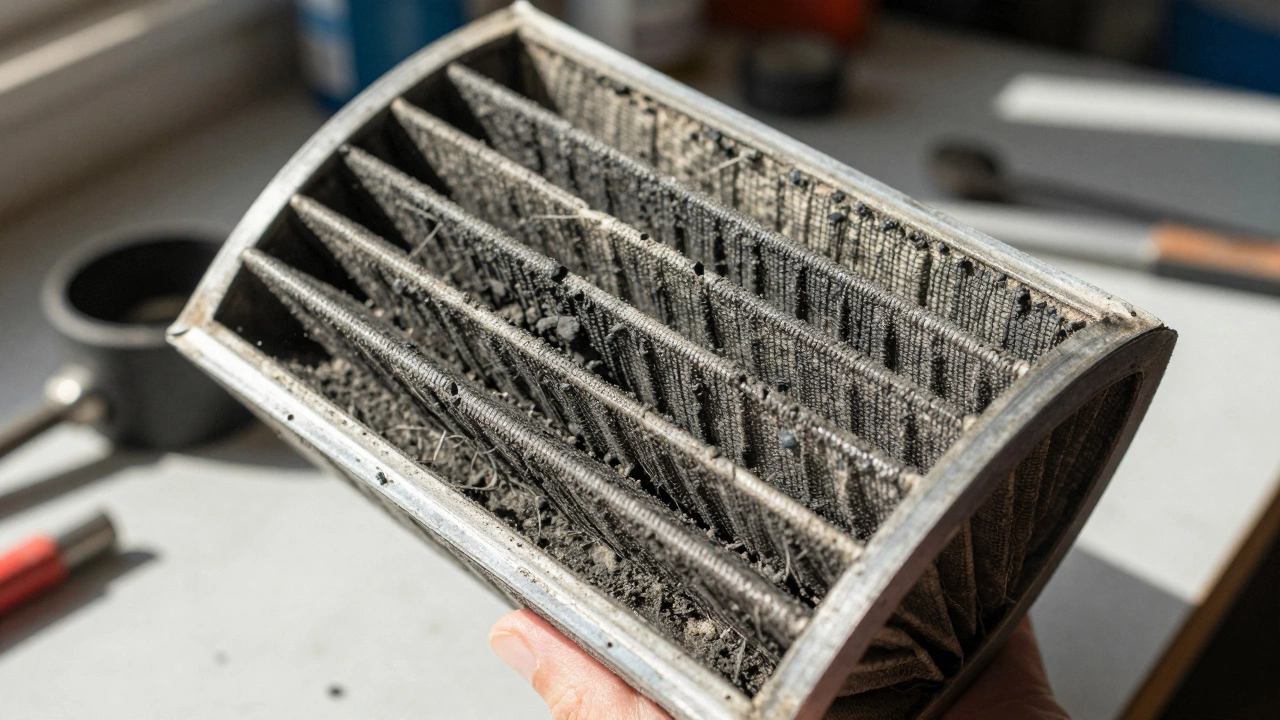
Will I Notice a Difference with a New Air Filter? Real Results You Can Feel
Replacing a dirty air filter can improve engine performance, fuel efficiency, and throttle response. Learn when you'll actually notice the difference and how to tell if yours needs changing.
- Recent
- Popular