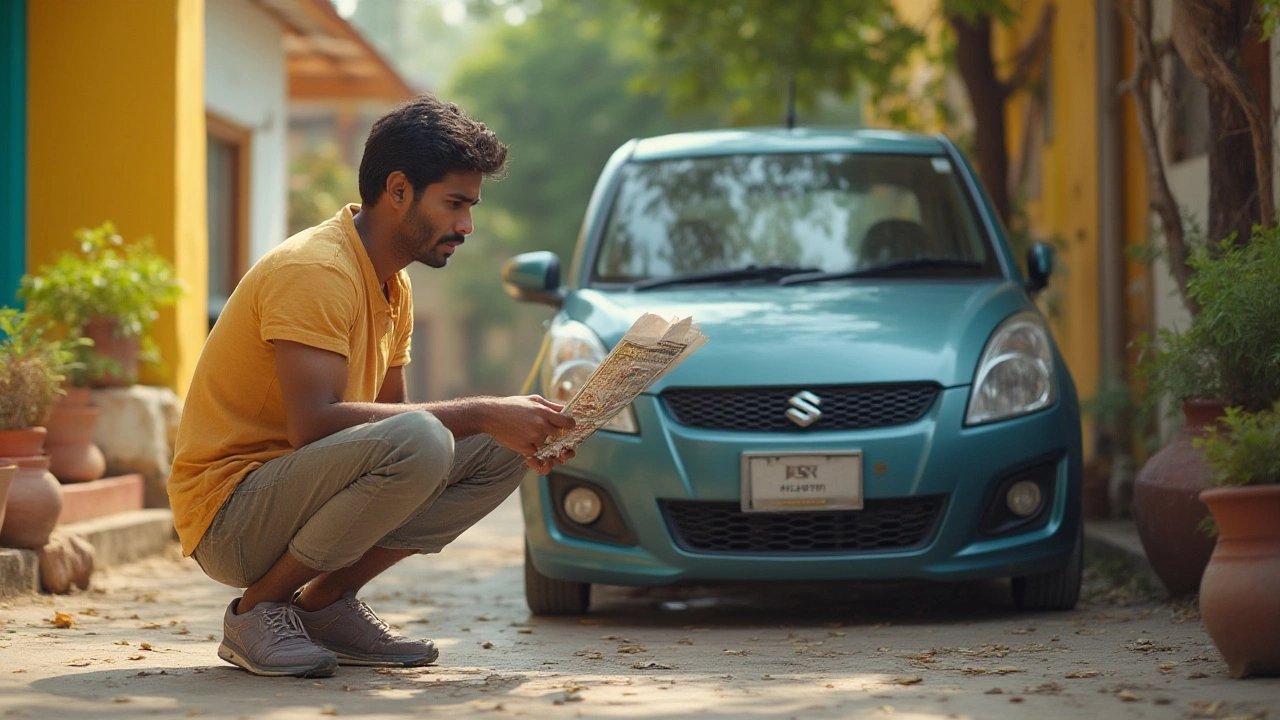
Manual Transmission: How It Works, Common Problems, and What to Watch For
When you shift gears by hand, you’re using a manual transmission, a mechanical system that connects the engine to the wheels through a series of gears you control directly. Also known as stick shift, it’s one of the last true driver-controlled systems left in modern cars. Unlike automatics that decide when to shift, a manual transmission puts the power—and the responsibility—right in your hands. That’s why it’s still loved by drivers who want control, better fuel economy, and lower repair costs over time.
But that control comes with wear. The biggest enemy of a manual transmission is the clutch, the component that lets you disconnect the engine from the gearbox during gear changes. Also known as clutch assembly, it’s not a forever part. Most last between 60,000 and 100,000 miles, but if you ride the clutch, slip it too often, or drive in heavy stop-and-go traffic, it can die in half that time. A worn clutch doesn’t just feel sloppy—it starts slipping under load, making acceleration weak and gear changes noisy. You might even smell burning friction material, like overheated brakes. Then there’s the gear shifting, the physical act of moving the gear lever between positions. If it’s stiff, grinds, or won’t go into gear, something’s wrong inside the transmission—maybe synchronizers are worn, or the shift linkage is loose. These aren’t just inconveniences. A failing clutch or misaligned gears can leave you stranded, or worse, cause damage to the flywheel or input shaft.
What you’ll find in these posts aren’t theory lessons or marketing fluff. These are real-world stories from drivers who noticed their clutch wasn’t responding like it used to, or heard a strange noise when shifting into third, or figured out their car was lurching because the pedal free play had vanished. You’ll learn how to spot clutch wear before it costs you a full replacement, how to tell if your transmission fluid is dirty, and why some people swear by double-clutching while others say it’s unnecessary. You’ll see what’s normal and what’s a red flag. And you’ll find out when to fix it yourself and when to hand it over to a mechanic.
Manual transmissions aren’t going away—not yet. They’re cheaper to repair, more efficient, and still the best way to connect with your car. But they demand attention. If you drive one, knowing how it works isn’t just helpful—it’s how you keep it alive.
-
7 Jul
-
17 Jun
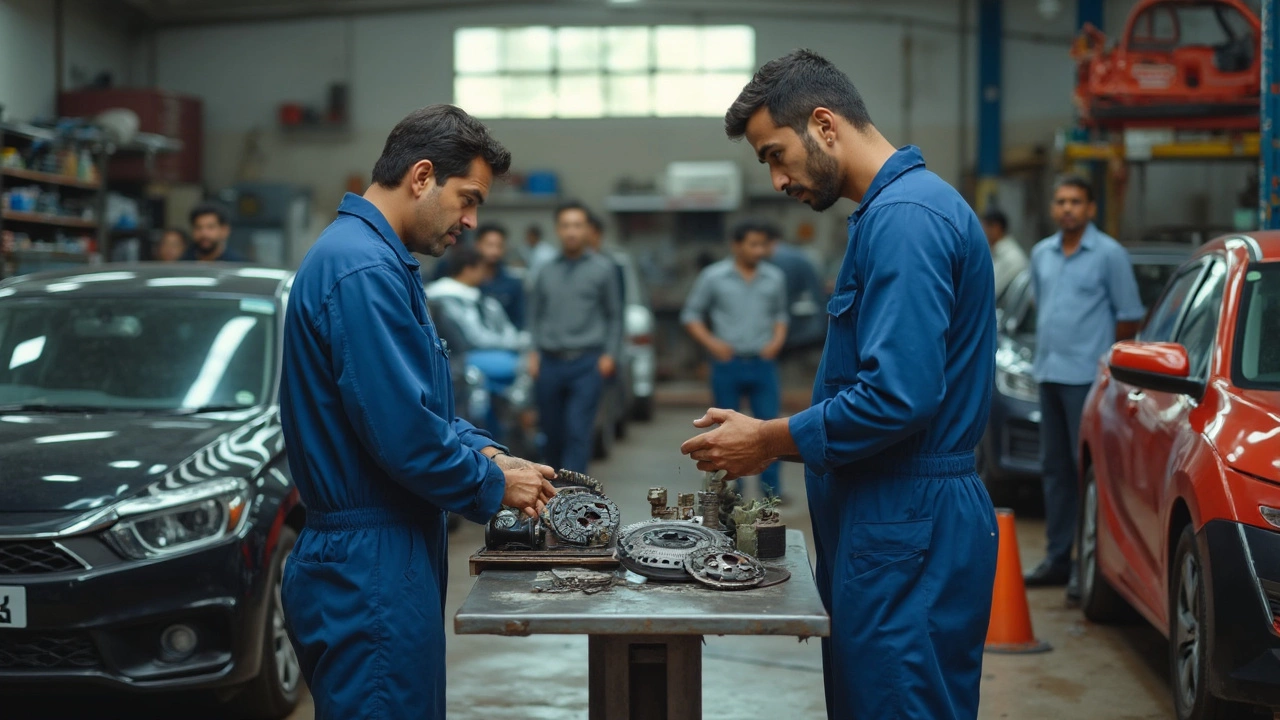
Clutch Replacement Cost: What You’ll Really Pay for a Full Job
Ever wondered how much a full clutch replacement actually costs? This article breaks down real numbers, from parts to labor, and what can tip the bill higher or lower. You’ll get tips on saving cash, warning signs your clutch is dying, and what’s usually included in a proper clutch kit. Whether you drive a trusty Civic or something fancier, you’ll leave knowing exactly what to expect at the repair shop.
- Recent
- Popular