Radiator Maintenance: What You Need to Know to Avoid Overheating
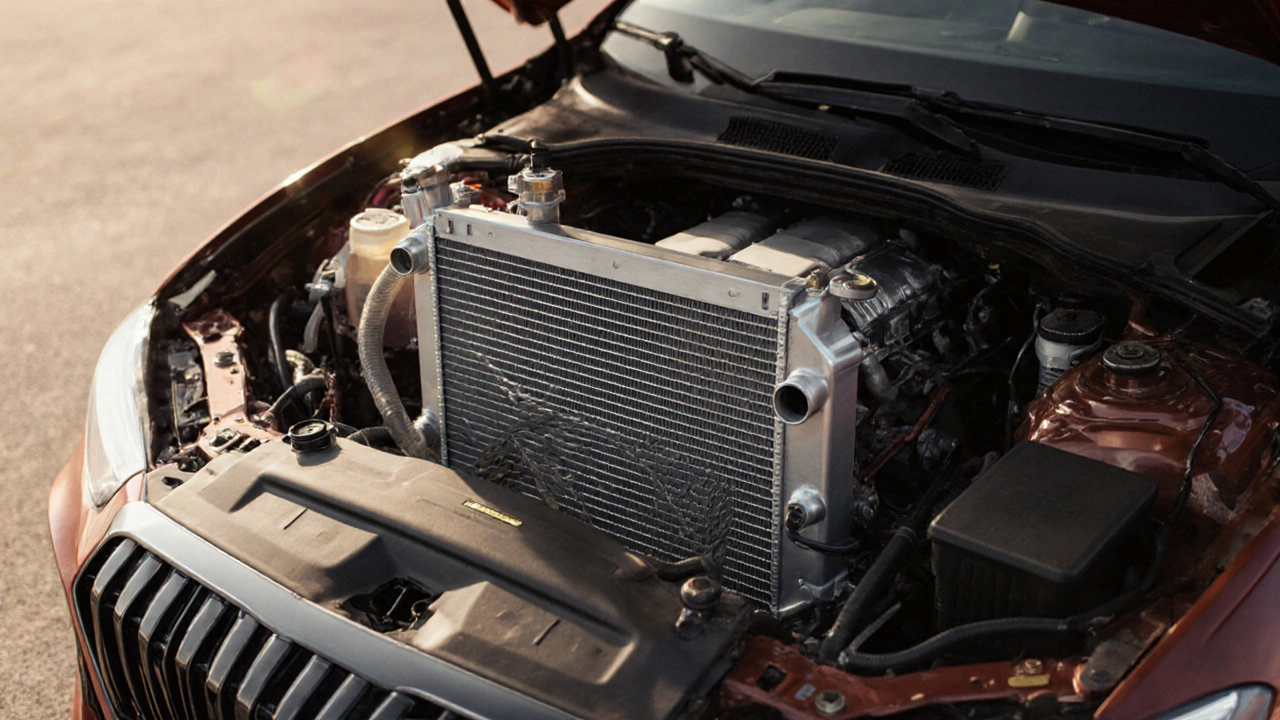
When your radiator, a key part of your car’s engine cooling system that circulates coolant to keep the engine at the right temperature. Also known as an engine radiator, it’s not just a metal box under the hood—it’s the reason your engine doesn’t turn into a melted mess. Most people think radiators are simple, but they’re one of the most misunderstood parts in modern cars—even electric vehicles still need them. A bad radiator doesn’t just cause overheating; it can destroy your engine, warp the head gasket, or fry your transmission if left unchecked.
It’s not just about the radiator itself. The engine cooling system, the full network of hoses, water pump, thermostat, and coolant that works together to regulate engine heat is what keeps everything running. A clogged hose, a stuck thermostat, or dirty coolant can choke the system just like a bad radiator. And if you’re seeing steam or a puddle under your car, that’s not water—it’s likely a coolant leak, a sign that fluid is escaping from the radiator, hoses, or seals, often due to corrosion, age, or physical damage. These leaks don’t always scream for attention. Sometimes, they just slowly drain your coolant until the engine starts running hot.
Modern cars have smaller, smarter radiators, but they’re under more pressure than ever. Turbochargers, tighter engine bays, and higher performance mean heat builds up faster. That’s why checking your radiator isn’t something you do once a year—it’s part of routine care. Look for rust around the tank, soft or cracked hoses, and coolant that looks muddy instead of bright green or orange. A simple visual check every few months can save you a $2,000 repair. And if your car’s temperature gauge is creeping up, even slightly, don’t wait. Drive slower, turn on the heater (yes, really—it pulls heat away from the engine), and get it checked before you’re stranded.
What you’ll find below are real stories from people who ignored the signs—and those who caught them early. You’ll see how a $50 coolant flush stopped a $1,200 engine rebuild. You’ll learn why some radiator replacements cost half as much as others. And you’ll understand why even electric cars aren’t immune to cooling problems. This isn’t theory. These are the fixes, the mistakes, and the simple habits that keep cars running in India’s toughest conditions.
-
8 Oct
-
18 Feb

How Much Should It Cost to Replace a Car Radiator?
Replacing a car radiator can be a significant repair, and understanding the costs involved is crucial for car owners. This article breaks down the average expenses associated with radiator replacement, including parts and labor. It also provides insights into factors affecting costs, such as car model and location. Additionally, it offers tips to potentially save money and maintain your radiator for longevity. Explore this comprehensive guide to make informed decisions regarding radiator replacement.
- Recent
- Popular